Staff Report
The European Union has formally advanced its diplomatic and economic ties with Azerbaijan as part of a comprehensive strategy to diversify energy sources and bolster security in the South Caucasus. High-level officials from Brussels and Baku recently concluded a series of negotiations aimed at expanding the Southern Gas Corridor and deepening intelligence sharing regarding regional threats. This renewed commitment reflects a shifting geopolitical landscape where Europe seeks to reduce its reliance on traditional energy suppliers while maintaining a footprint in critical trade routes between Asia and the West.
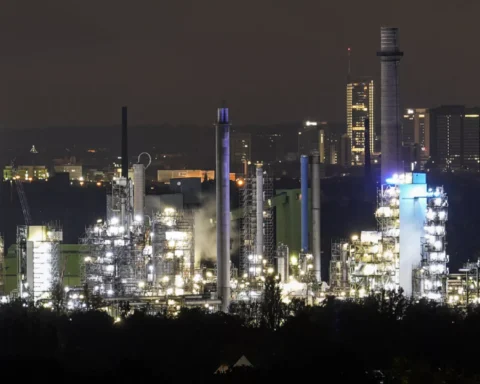
Azerbaijan has emerged as an indispensable partner for the European bloc, particularly as the demand for alternative natural gas routes remains at an all-time high. The collaboration focuses heavily on infrastructure development, with plans to increase the capacity of pipelines that deliver Caspian Sea resources directly to European markets. Beyond fossil fuels, the dialogue has expanded to include green energy initiatives, specifically focusing on Azerbaijan’s potential as a hub for wind and solar power exports via a proposed Black Sea submarine cable. This multi-layered approach ensures that the partnership remains relevant amidst the global transition toward renewable energy.
Security cooperation remains a cornerstone of the new agreement. Both parties have expressed a mutual interest in stabilizing the region to protect commercial interests and prevent cross-border crime. The European Union has offered technical assistance and increased monitoring support to ensure that critical energy infrastructure remains resilient against cyberattacks and physical disruptions. For Azerbaijan, the closer alignment with European security standards provides a layer of diplomatic institutionalization that aids its domestic modernization efforts and enhances its standing on the international stage.
Critics of the deepening relationship have raised concerns regarding governance and human rights within Azerbaijan, urging the European Union to balance its energy needs with its commitment to democratic values. However, Brussels appears to be prioritizing a pragmatic approach, viewing Azerbaijan as a bridge between East and West that is too vital to overlook. EU representatives have emphasized that a closer relationship provides a better platform for constructive dialogue on sensitive issues, suggesting that economic integration will eventually lead to broader institutional alignment.
Economic data suggests that the trade volume between the two entities is poised for significant growth over the next decade. European investment in Azerbaijani technology and agriculture is expected to rise as the country seeks to diversify its own economy away from oil dependency. By fostering a more resilient and varied economic landscape, the European Union is betting on the long-term stability of a partner that sits at one of the world’s most important geographic crossroads. The coming years will determine if this strategic pivot can deliver the energy security Europe desperately seeks while fostering genuine regional peace.