Staff Report
The European economic landscape is currently a complex tapestry woven with threads of persistent inflation, the lingering specter of geopolitical instability, and a cautious consumer base. While some sectors demonstrate resilience, the overall picture suggests a period of subdued growth and significant headwinds. The European Central Bank (ECB) finds itself in a delicate balancing act, attempting to curb rising prices without tipping the continent into a recession, a task made all the more challenging by the ongoing war in Ukraine and its cascading effects on energy markets and supply chains.
Inflation remains a primary concern, stubbornly refusing to recede to the ECB’s desired 2% target. Although headline inflation has seen some moderation from its peaks, core inflation, which excludes volatile food and energy prices, continues to prove sticky. This sustained price pressure erodes purchasing power, forcing households to make difficult choices and dampening consumer spending, a crucial driver of economic activity. Retail sales figures across the eurozone have been lackluster, reflecting a populace more inclined to save than to splurge. Businesses, too, are feeling the pinch, with rising input costs squeezing profit margins and leading to a slowdown in investment. Small and medium-sized enterprises, the backbone of many European economies, are particularly vulnerable, grappling with higher borrowing costs and a more uncertain demand environment.
The energy crisis, though somewhat eased from its most acute phase, continues to cast a long shadow. While gas storage levels are healthier heading into cooler months, the reliance on imported energy sources leaves Europe susceptible to external shocks. The diversification efforts, including a push towards renewable energy, are underway but represent a long-term solution. In the interim, energy prices, while lower than last year’s highs, remain elevated compared to historical averages, contributing to inflationary pressures and impacting industrial competitiveness. Manufacturers, especially in energy-intensive sectors like chemicals and metals, are struggling to maintain production levels and remain competitive on the global stage.
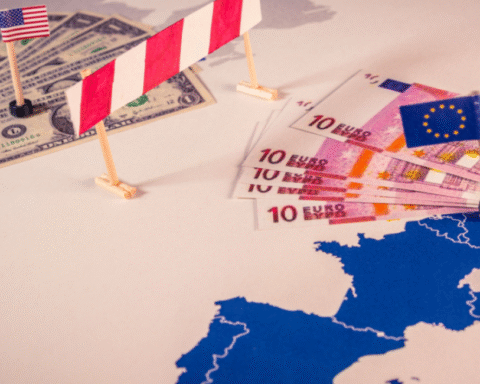
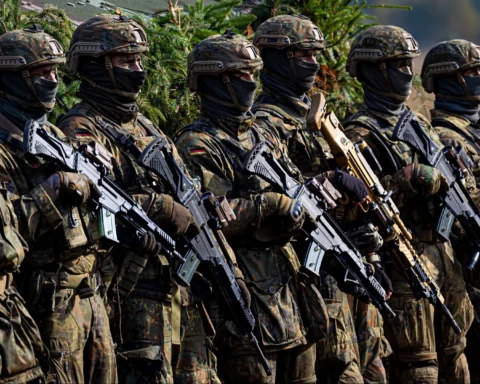
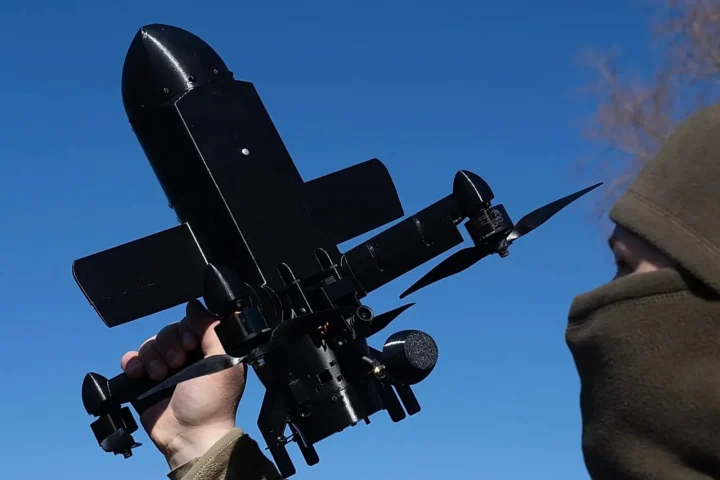
Geopolitical tensions, particularly the prolonged conflict in Ukraine, inject a significant layer of uncertainty into the economic outlook. Beyond the direct impact on energy and commodity prices, the conflict has disrupted established trade routes and fueled a broader sense of insecurity. This has led to a cautious approach from businesses regarding long-term investment decisions, with many opting to delay or scale back expansion plans. The increased defense spending across many European nations, while necessary, also diverts resources that could otherwise be allocated to productive investments or social programs. The ongoing global trade environment, characterized by rising protectionist sentiments in some regions, further complicates the picture for export-oriented European economies.
Despite these challenges, pockets of strength persist. The labor market, for instance, has remained surprisingly robust in many member states, with unemployment rates holding near historic lows. This resilience provides a crucial buffer against a more severe downturn, as employed individuals continue to generate income and contribute to demand. Furthermore, the ongoing digital and green transitions, spurred by initiatives like the NextGenerationEU recovery fund, offer long-term growth potential. Investments in sustainable technologies, digital infrastructure, and reskilling programs are laying the groundwork for future economic dynamism, even if the immediate returns are not yet fully apparent.
Looking ahead, the European economic trajectory will likely be dictated by a confluence of factors. The effectiveness of the ECB’s monetary policy in taming inflation without triggering a deep recession will be paramount. The evolution of the geopolitical situation, particularly the duration and outcome of the war in Ukraine, will continue to shape energy markets and investor confidence. Finally, the ability of European nations to navigate the ongoing structural shifts towards a greener and more digital economy will determine their long-term competitiveness and prosperity. The path forward is fraught with challenges, demanding careful policy navigation and a continued commitment to adaptation and innovation.