Staff Report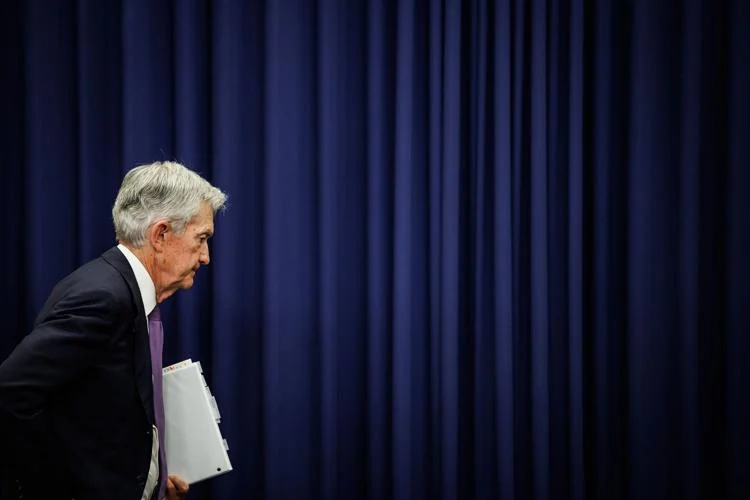
The Federal Reserve, in a move widely anticipated by markets and economists alike, recently delivered its third consecutive interest rate cut, bringing the target range for the federal funds rate down to 1.50% to 1.75%. This decision, while signaling a continued commitment to supporting economic growth amidst global uncertainties, also came with strong indications that the central bank might be pressing the pause button on further easing for the foreseeable future. This shift in posture from aggressive easing to a potential holding pattern marks a crucial juncture for monetary policy, with implications reverberating across financial markets, business investment, and consumer spending.
Chairman Jerome Powell, in his post-meeting press conference, underscored the Fed’s assessment that the current stance of monetary policy is “appropriate” to sustain economic expansion, a strong labor market, and inflation near its symmetric 2% objective. This nuanced language suggests a delicate balancing act. On one hand, the rate cuts were a pre-emptive measure, a form of “mid-cycle adjustment” as Powell previously termed it, designed to insulate the U.S. economy from the headwinds of slowing global growth and lingering trade tensions. The logic was to provide insurance against a more significant downturn, ensuring that domestic demand remains robust even as external pressures persist.
Indeed, the economic landscape that informed these decisions presents a mixed picture. The U.S. labor market remains a standout performer, consistently adding jobs and pushing unemployment to historical lows. Consumer spending, the bedrock of the American economy, has also largely held up, buoyed by solid wage growth and healthy balance sheets. However, business investment has shown signs of softening, and manufacturing activity has contracted, largely attributed to the protracted trade disputes and the resulting uncertainty. Global growth projections have also been revised downwards repeatedly by international bodies, adding another layer of caution for policymakers. The Fed’s latest actions can be seen as an attempt to counteract these vulnerabilities and prevent them from spilling over into broader economic weakness.
The market reaction to the third cut, while generally positive, was tempered by the forward guidance. While equity markets initially cheered the lower borrowing costs, the indication of a potential pause led to some recalibration. Bond yields, which typically fall with rate cuts, saw a more muted response as investors digested the possibility that the easing cycle might be nearing its end. The dollar, often influenced by interest rate differentials, also showed a relatively contained reaction, reflecting the balanced interpretation of the Fed’s statement.
For businesses, lower interest rates translate to more affordable borrowing costs, potentially stimulating investment in new projects, expansion, and hiring. Small businesses, in particular, often benefit from easier access to credit. However, the effectiveness of these cuts in spurring a significant uptick in investment remains a subject of debate, especially given that many companies are already flush with cash and investment decisions are often driven more by demand expectations than by marginal changes in borrowing costs. The ongoing trade uncertainties, for instance, continue to cast a long shadow over long-term strategic planning for many corporations.
Consumers, too, stand to gain from cheaper borrowing, particularly those with variable-rate mortgages or looking to finance large purchases like cars. However, the impact on savings accounts is less favorable, as lower interest rates erode returns on deposits. The broader psychological effect of a proactive Fed, signaling its readiness to support the economy, can also bolster consumer confidence, encouraging spending and investment.
Looking ahead, the Fed’s future actions will be data-dependent. The central bank will be closely monitoring incoming economic reports, including inflation figures, employment data, and indicators of global economic health. Any significant deterioration in these metrics could prompt a reassessment of the “appropriate” stance of monetary policy. Conversely, a sustained improvement in global trade relations and a rebound in business sentiment could solidify the case for an extended pause. The challenge for policymakers will be to navigate these evolving conditions with agility and transparency, ensuring that their actions continue to foster a stable and prosperous economic environment without inadvertently fueling excessive risk-taking or asset bubbles. The recent rate cut, therefore, is not merely a technical adjustment; it represents a strategic calibration in the Fed’s ongoing effort to steer the U.S. economy through a period of considerable global flux.