Staff Report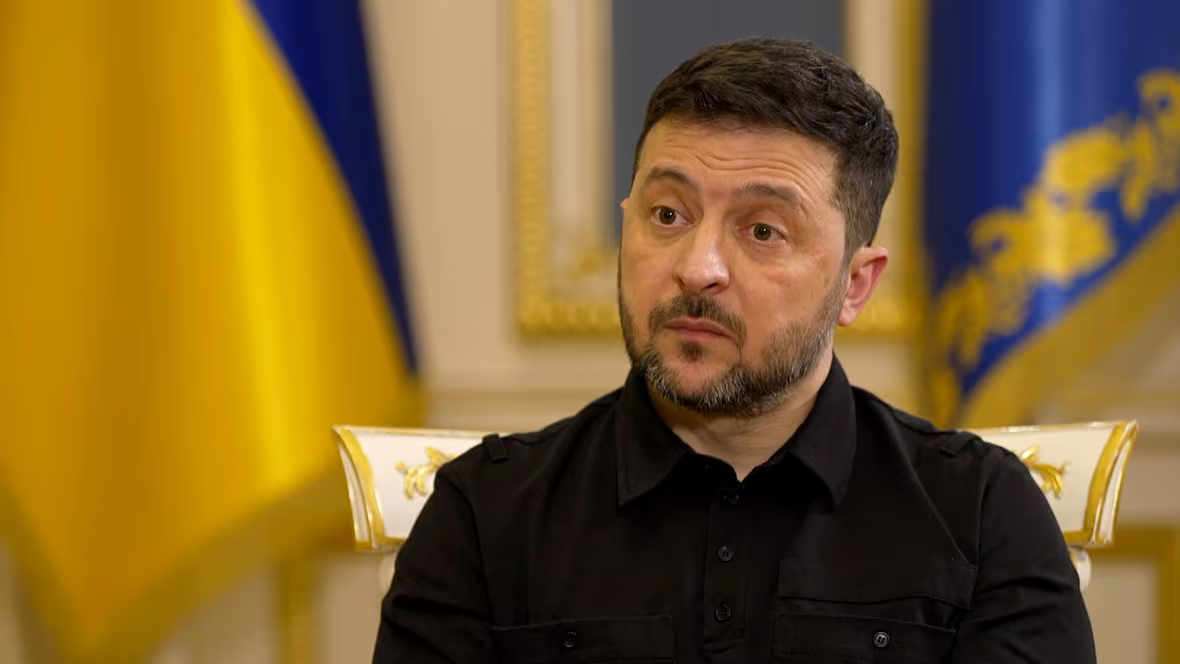
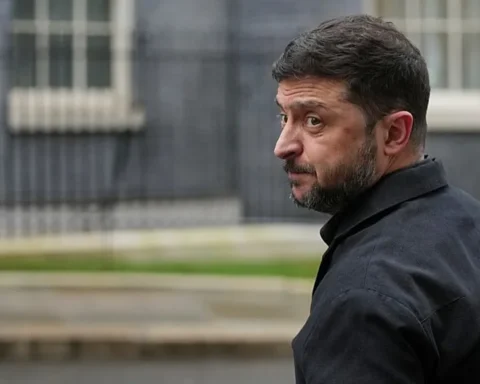
Four years ago, on February 24, 2022, Ukrainian President Volodymyr Zelenskyy addressed his nation, recounting what he termed “the longest day of our lives” as Russia launched its full-scale invasion. Now, on the anniversary of that pivotal moment, Zelenskyy reflects on the enduring conflict, emphasizing that despite the immense toll, Ukraine has retained its independence and statehood, and Russian President Vladimir Putin has not accomplished his initial strategic goals. This defiance underscores a narrative of resilience that has come to define the Ukrainian response to the aggression.
The human cost of this prolonged conflict is stark, with estimates pointing to staggering casualties. The Centre for Strategic and International Studies (CSIS) suggests a grim total of up to 1.8 million soldiers killed, wounded, or missing across both sides. Russian forces are estimated to have sustained approximately 1.2 million casualties, including a potential 325,000 troop deaths, marking this as one of the deadliest conflicts for a major power since World War II. Ukraine, while reporting lower figures, has also endured significant losses, with CSIS estimating between 500,000 and 600,000 military casualties, including up to 140,000 deaths. Zelenskyy himself stated earlier this month that 55,000 Ukrainian troops had died, though independent assessments often suggest this figure is an underestimate, just as the verified deaths of at least 177,000 Russian soldiers by entities like the BBC and Mediazona are believed to be below the true count.
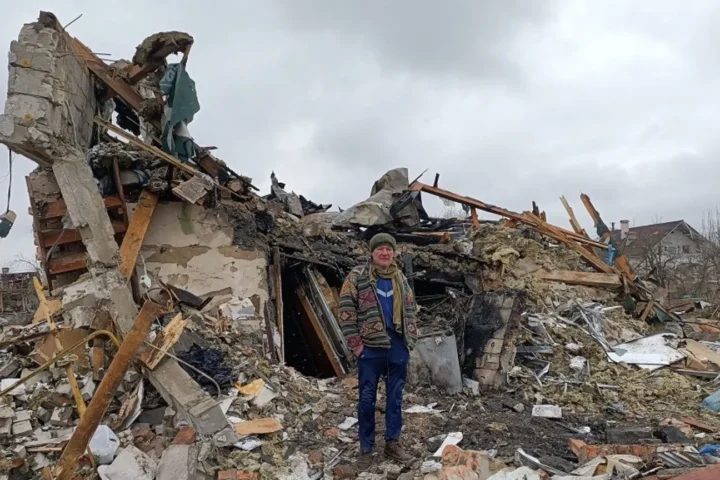
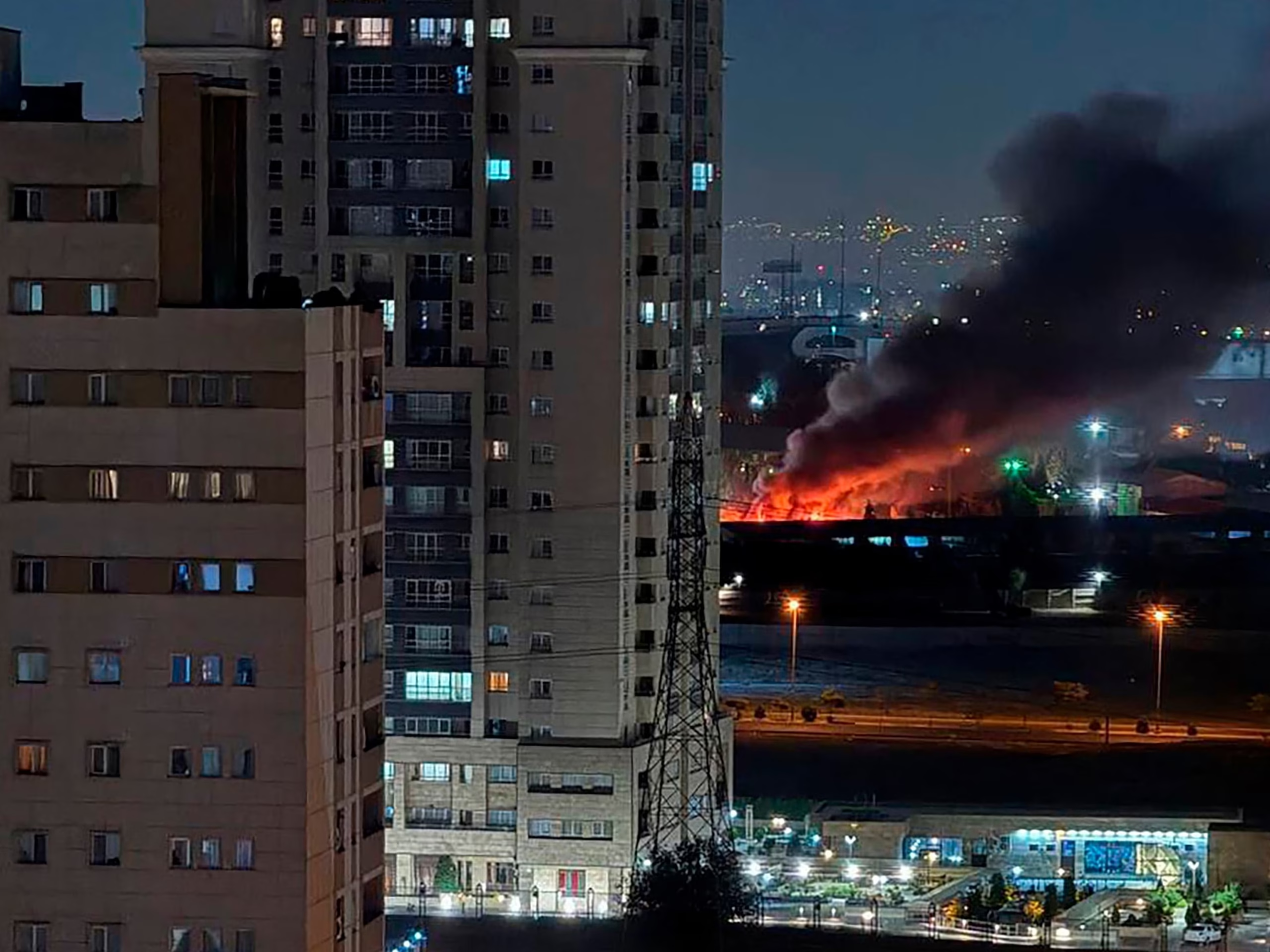
Beyond the battlefield, the humanitarian crisis remains profound. The United Nations Refugee Agency reports that roughly 5.9 million Ukrainians have been forced to flee their country, with another 3.7 million internally displaced. The UN has also verified over 15,000 civilian deaths, acknowledging that the actual number is likely far higher, particularly in areas inaccessible due to Russian occupation, such as Mariupol, where thousands are believed to have perished. Disturbingly, at least 20,000 children have reportedly been forcibly deported from Ukraine by Russia. The physical landscape of Ukraine bears indelible scars, with cities like Bakhmut, Toretsk, and Vovchansk in the east and south reduced to rubble by relentless Russian assaults. Critical infrastructure has also been targeted, with the World Health Organization verifying over 2,800 attacks on healthcare facilities and Russian strikes on energy systems leaving millions without heat and power, exacerbating suffering, especially during winter months.
The economic and environmental repercussions are equally severe. A fifth of Ukraine’s territory is now contaminated by mines and unexploded ordnance, according to the UN’s Mine Action Service, posing a long-term threat to civilian life and agricultural productivity. The World Bank estimates the cost of reconstruction over the next decade to be around $588 billion, a monumental undertaking for a nation still embroiled in conflict. Despite these immense challenges, international support for Ukraine remains a critical factor. Leaders like European Commission chief Ursula von der Leyen, Finnish President Alexander Stubb, and Swedish Prime Minister Ulf Kristersson visited Kyiv to mark the anniversary, reaffirming their commitment. Von der Leyen, on her tenth visit since the full-scale invasion, reiterated Europe’s “unwavering” financial and military solidarity, vowing not to relent until peace is restored on Ukraine’s terms.
However, diplomatic efforts to end the fighting have yielded little progress. Talks between Kyiv and Moscow, despite being relaunched by the United States last year, have faltered. The Kremlin’s demands include full control of Ukraine’s eastern Donetsk and Luhansk regions and a ban on Western military aid to Kyiv, conditions Ukraine views as unacceptable and constitutionally impossible, as they would leave the nation vulnerable to future attacks. Russia currently occupies nearly 20% of Ukrainian territory and continues daily bombardments of civilian areas and infrastructure. These actions have triggered the worst energy crisis since the invasion began, compounding the humanitarian crisis. While international sanctions have forced Moscow to reroute its oil exports, Russian troops have recently made slow advances along the front line, particularly in the Donbas region. Putin, in a recent statement, insisted his soldiers are defending Russia’s “borders” and ensuring “strategic parity,” framing the conflict as a fight for the country’s “future.” Zelenskyy, however, offers a starker interpretation, suggesting in a recent interview that Putin has “already started” World War III, aiming to impose a different way of life on the world.