Staff Report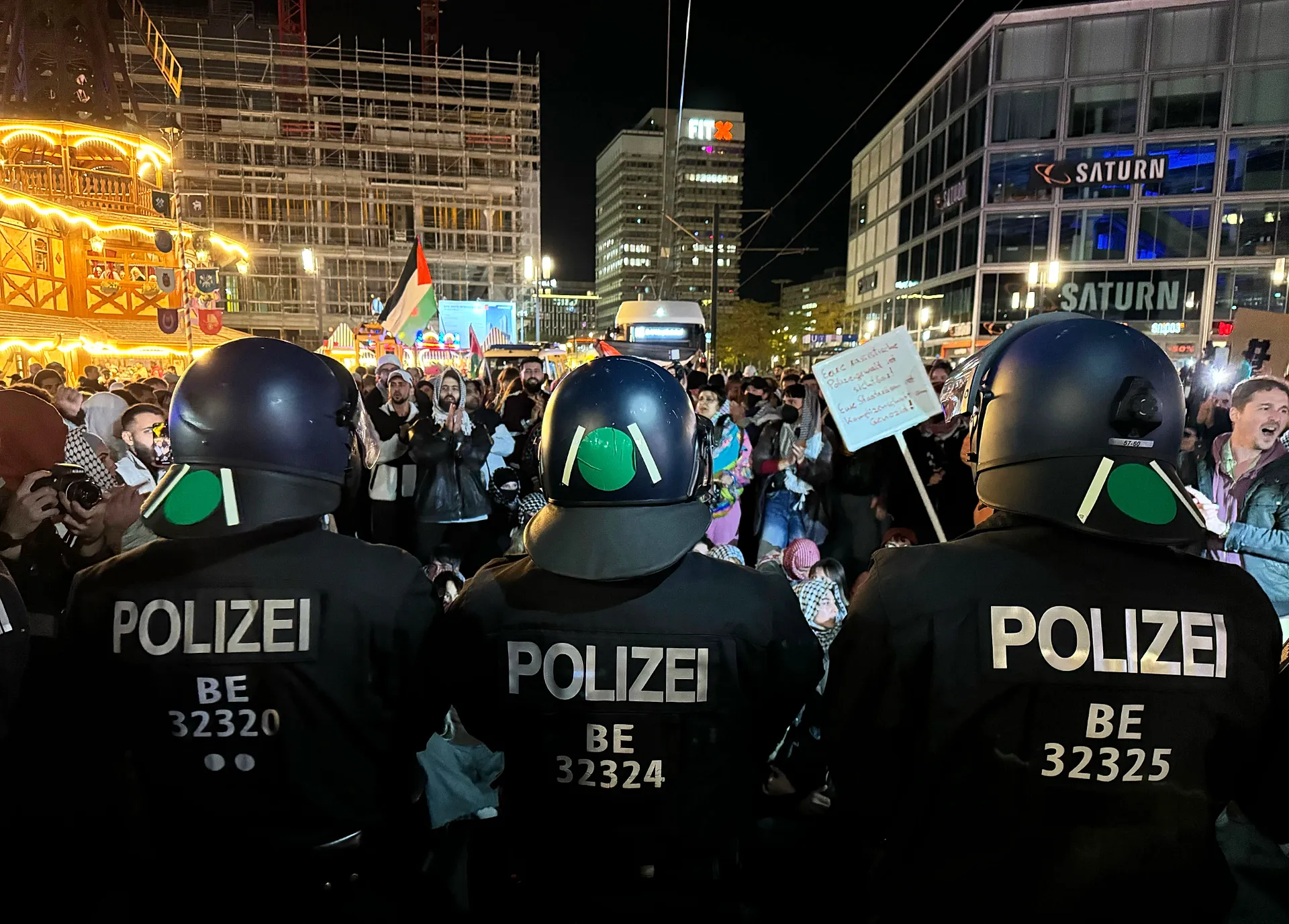
The landscape of extremist recruitment in Germany has undergone a significant transformation, moving from seeking highly educated individuals to targeting vulnerable young people with promises of rapid social mobility and belonging. Kaan Mustafa Orhon, an Islamic studies scholar at the German advisory centre Grüner Vogel, highlights a stark shift in strategy, where Islamist groups are now leveraging social media influencers and commercial tactics to draw in a younger demographic. This approach contrasts sharply with the profile of earlier recruits, such as the Hamburg terror cell members involved in the 9/11 attacks, who were often high-achieving students in scientific fields.
Orhon explains that the appeal is now primarily directed at those aged 15 to 35, many with limited educational backgrounds and poor job prospects. Recruiters paint a picture of conflict zones, particularly Syria, as places where anyone, regardless of their past, can achieve status and power. The narrative offered is compellingly simple: “Come to Syria, and with just a basic school diploma, you could be the police chief of some small town, have four wives, a car, a home, money and a weapon.” This promise of instant elevation in status and material gain is a potent lure for individuals feeling marginalized or overlooked in their own societies.
A concerning development in this new recruitment model is the strong commercialization embedded within radicalization efforts. Orhon points to instances where individuals are making substantial profits. Influencers, often with large social media followings, solicit donations under the guise of charitable causes, such as aid for Palestine, only to divert significant portions of these funds for personal luxury. One notable case involved a German TikTok influencer known as “Abdelhamid,” who amassed nearly half a million euros through approximately 37 donation campaigns but was later sentenced to three years in prison for commercial-scale donation fraud, having passed on only a fraction to the stated charities.
The demographic composition of those drawn into these extremist movements has also seen a marked change. Historically, these groups were almost exclusively male, with figures ranging from 95% to 99%. However, Orhon notes a shift, with women now comprising roughly 25% of the recruits. This change is partly attributed to influencer content specifically tailored for women. An example provided is Hannah Hansen, a German influencer who sells packages containing items like headscarves, long robes, prayer rugs, and literature, often marketed in pink boxes. These items, Orhon observes, are often readily available for free at mosques, highlighting the commercial aspect of the recruitment.
Social media platforms play a critical role in facilitating these connections, allowing individuals to engage with Islamists in areas like Syria or Afghanistan. Orhon dispels the notion of “lone actors,” asserting that even those who appear to act independently often receive instructions via platforms like Telegram. This network-centric approach is evidenced by recent attacks, such as the February 13, 2025 incident at a Verdi demonstration in Munich, and the 2016 stabbing of a police officer at Hanover Central Station by IS sympathizer Safia S, both of which involved prior coordination with individuals in conflict zones.
Beyond the material and social promises, Orhon suggests that Salafist circles often fulfill unmet personal needs for young people. Preachers adopt authoritative or father-figure roles, older women become mother figures, and peers offer a sense of sibling connection. This carefully constructed community provides a “mission,” allowing individuals to feel part of something larger and ostensibly contribute to the betterment of humanity. Orhon also identifies antisemitism as a potential bridge between various extremist ideologies, including left-wing, right-wing, and Islamist groups, where protests related to Palestine can create a shared cause centered around a common enemy.
The phenomenon of “switching extremisms” further complicates the picture, where individuals might transition from one extremist ideology to another. Examples include Sascha Lemanski, a former IS sympathizer who had previously been a registered right-wing extremist, and Bernhard Falk, who moved from left-wing extremism to Salafism. Orhon emphasizes that Islamism distinguishes itself by its open-door policy, welcoming individuals regardless of their background. Notably, in Germany, radicalization often occurs in German rather than immigrants’ original languages, which broadens its reach and facilitates recruitment.
While reintegration remains challenging, it is not impossible. Orhon, who has worked with 40 women affiliated with the IS group since 2019, none of whom have returned to extremism, notes that motivations for leaving often stem from a mismatch between the idealized reality and the harsh experiences encountered. Restrictions on personal expression, traumatic events such as sexual abuse or domestic violence, and the loss of children due to inadequate medical care can all contribute to disillusionment. A common recruitment tactic, particularly for women, is “lovebombing,” where new converts receive overwhelming attention online, only for that support to vanish, leaving them isolated and vulnerable. Despite these hurdles, Orhon maintains that reintegration is achievable, often initiated through word-of-mouth referrals or court mandates.