Staff Report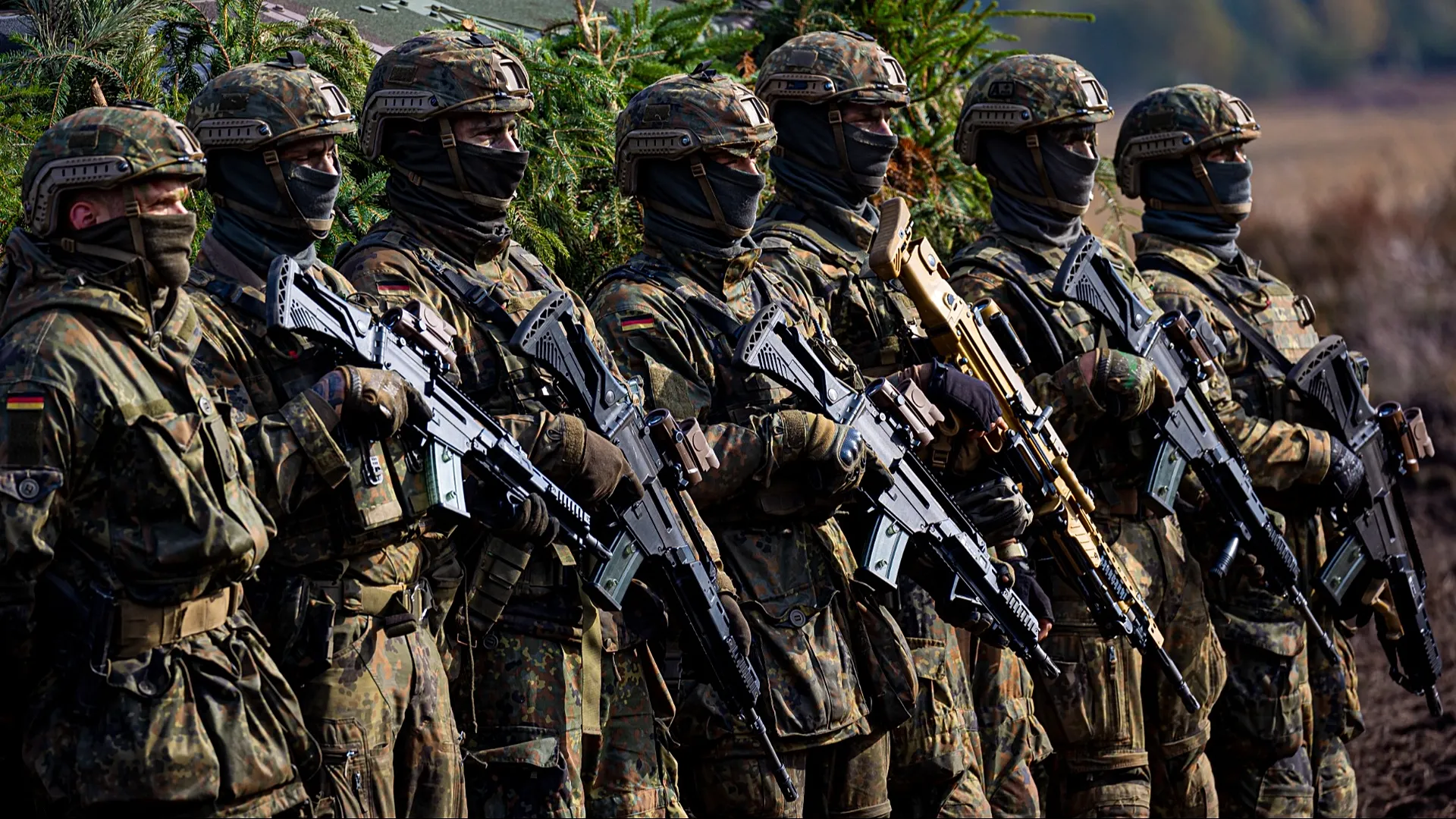
The German military intelligence apparatus has markedly increased its vigilance following Iran’s recent designation of the Bundeswehr and other European Union armed forces as “terrorist groups.” This move by Tehran, framed as a direct countermeasure to the EU’s decision to place Iran’s Islamic Revolutionary Guard Corps (IRGC) on its own terror list, introduces a new layer of complexity to an already tense geopolitical landscape. German lawmakers and security experts are now assessing the potential for an elevated threat environment targeting German military installations and personnel, both domestically and abroad.
Compounding these concerns, Germany’s Military Counter-Intelligence Service (MAD) has consistently identified Iranian intelligence agencies as primary actors engaged in espionage against the Bundeswehr. A spokesperson for the MAD recently indicated that beyond traditional human intelligence threats, a substantial risk emanates from cyber-espionage. In response, the agency has intensified its preventative strategies, which include comprehensive briefings, advisory sessions, and informational materials. These efforts are specifically designed to enhance soldiers’ awareness regarding the sophisticated methods employed by foreign intelligence services and the inherent risks of espionage, aiming to detect and neutralize intelligence operations at their earliest stages. Military units and offices deemed particularly vulnerable to foreign intelligence activities are receiving specialized support from the MAD, fostering a heightened state of alertness among staff and encouraging prompt reporting of any suspicious incidents.
Iranian espionage activities within Germany are not a recent phenomenon, predating the EU’s decision regarding the Revolutionary Guards. Germany’s domestic intelligence agency, the Office for the Protection of the Constitution, has previously noted the “very active” presence of Iranian intelligence services across the country. These operations frequently target politically active Iranian exiles, journalists, and opposition figures residing in Germany. Reports suggest that these individuals are often subjected to surveillance, intimidation, and smear campaigns, with some instances escalating to direct threats of violence, all aimed at suppressing dissent and controlling narratives. Authorities have warned that such surveillance can serve as a precursor to more severe offenses, including abduction or even assassination attempts.
A stark illustration of this threat is the case of German-Iranian opposition activist Jamshid Sharmahd, who was abducted in 2020. Transported to Iran, Sharmahd faced accusations of involvement in a 2008 bombing, allegations vehemently denied by his family and human rights organizations who maintain they are politically motivated. Despite being sentenced to death, Iranian authorities claimed he died prior to execution, a statement that could not be independently verified. Similar to the threats against military targets, cyber surveillance remains a critical tool in these intelligence operations. Hacking email and social media accounts is a common tactic, enabling the mapping of networks and tracking of individuals’ movements and contacts.
Beyond dissidents, Iranian intelligence operations in Germany also extend to Israeli and Jewish organizations. Konstantin von Notz, who chairs the Parliamentary Oversight Committee, observed a notable intensification of these activities following the Hamas-led attacks on southern Israel in October 2023. An incident in July of the previous year highlighted this focus, when a 53-year-old Danish national of Afghan origin was accused of conducting surveillance on Jewish institutions, individuals, and locations connected to Israel in Berlin on behalf of an Iranian intelligence service. The Federal Prosecutor’s Office indicated that the intelligence gathered might have been intended for the preparation of potential attacks. This particular operation was reportedly directed by the Quds Force, the foreign operations arm of the IRGC. In light of these developments, Von Notz has urged the German government to implement all necessary security measures to effectively curb Iran’s intelligence activities within Germany, thereby ensuring the safety of all residents, with particular emphasis on military personnel and Jewish institutions.