Staff Report
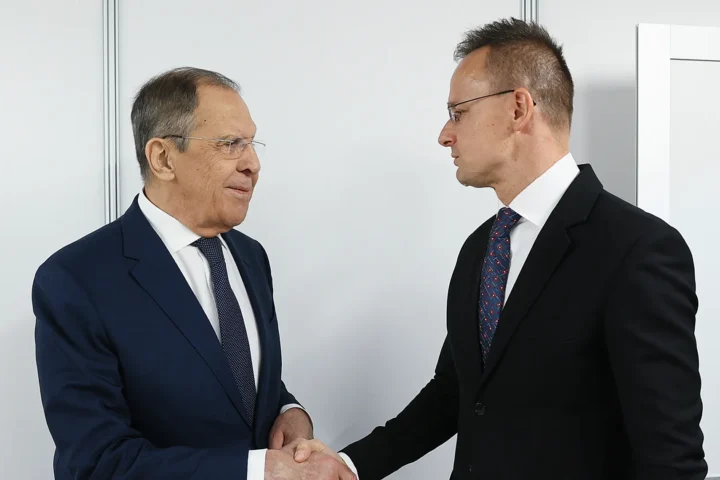
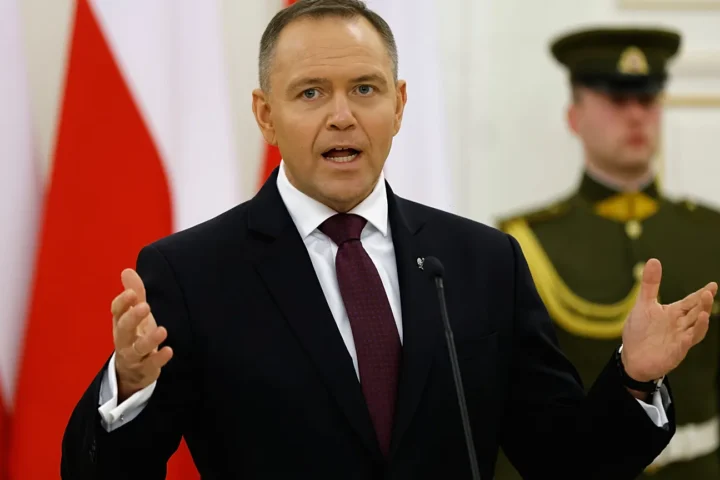
The diplomatic rift between Hungary and its European Union partners has deepened following recent admissions regarding the frequency of communication between Budapest and Moscow. Peter Szijjarto, the Hungarian Minister of Foreign Affairs and Trade, has openly acknowledged a pattern of consistent dialogue with his Russian counterpart, Sergey Lavrov. These interactions, which reportedly occur both immediately before and after high-level international summits, have sparked intense debate over the unity of the Western alliance in the face of the ongoing conflict in Ukraine.
While most European nations have moved to isolate the Kremlin since February 2022, Hungary has maintained a distinct and often controversial foreign policy trajectory. Szijjarto emphasized that maintaining an open channel with Russia is a matter of national strategic interest, particularly concerning energy security. He argued that diplomatic silence is not a viable solution to the regional crisis and that direct communication remains the only way to seek a peaceful resolution to the hostilities. This stance, however, has led to accusations from Brussels and Washington that Hungary is acting as a disruptor within the NATO and EU frameworks.
During a series of recent press engagements, the Hungarian minister was asked to clarify the nature of his discussions with Lavrov. He did not shy away from the scrutiny, stating that it is common practice for him to consult with the Russian leadership to gauge their perspectives on proposed international measures. By briefing Moscow on European discussions and receiving direct feedback from the Kremlin, Hungary claims to be playing the role of a pragmatic mediator. Critics, conversely, view this as a back-channel that undermines the collective bargaining power of the European Union.
The timing of these phone calls is particularly sensitive. According to reports, the consultations often coincide with sessions of the United Nations General Assembly or EU ministerial summits where sanctions or military aid packages are being debated. This real-time coordination suggests a level of diplomatic intimacy that far exceeds the standard protocol observed by other member states. For the Hungarian government, these actions are framed as a defense of national sovereignty, ensuring that the country’s specific economic needs are not sidelined by broader geopolitical agendas.
Energy remains the cornerstone of this contentious relationship. Hungary continues to rely heavily on Russian natural gas and petroleum, and it is currently collaborating with Rosatom on the expansion of the Paks nuclear power plant. Szijjarto has frequently noted that without Russian cooperation, the Hungarian economy would face an immediate and catastrophic energy shortage. Therefore, he views the maintenance of a working relationship with Lavrov not as a political preference, but as a physical necessity dictated by infrastructure and geography.
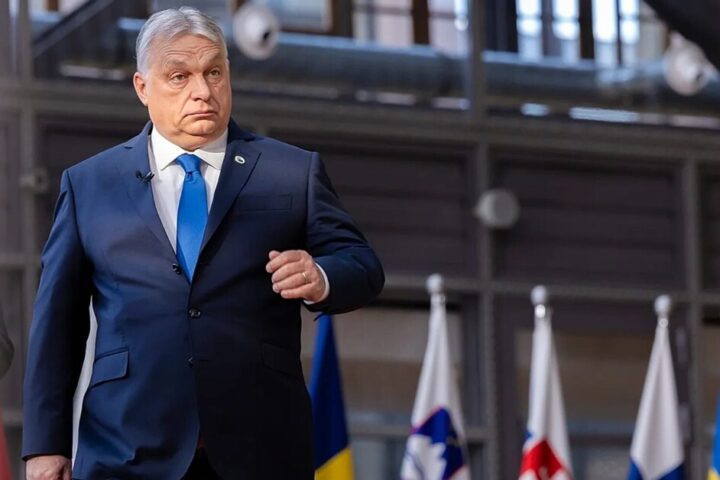
However, the optics of these persistent contacts have become increasingly problematic for Prime Minister Viktor Orban’s administration. At a time when the EU is attempting to present a unified front against Russian aggression, Hungary’s refusal to follow suit creates significant friction. Several Eastern European neighbors, who were once close allies of Budapest within the Visegrad Group, have cooled their relations with Hungary over its perceived pro-Russian tilt. The admission that Lavrov is briefed before and after major meetings only serves to validate their concerns regarding leaks of sensitive information and the dilution of Western policy objectives.
As the war in Ukraine continues with no clear end in sight, the pressure on Hungary to align its foreign policy with the rest of the bloc is likely to intensify. For now, Budapest remains firm in its conviction that its dual-track approach—remaining a member of Western institutions while keeping a foot in the door with Moscow—is the most logical path forward. Whether this strategy can survive the mounting diplomatic isolation from its peers remains the most significant question facing Hungarian statecraft today.