Staff Report
The diplomatic tension between Tehran and the international community reached a new boiling point this week as Iran’s permanent representative to the United Nations issued a forceful denial of recent military accusations. Addressing a series of incidents involving commercial and civilian infrastructure in the Gulf, the ambassador maintained that the Islamic Republic had no involvement in the strikes, despite a growing body of intelligence presented by Western and regional powers.
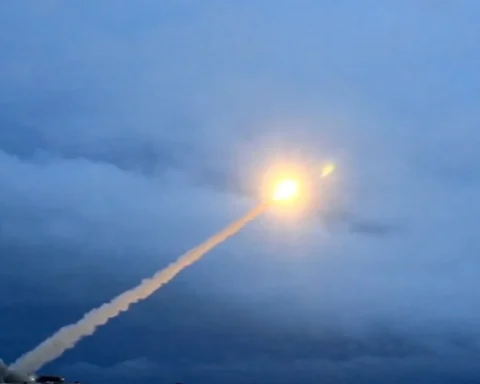
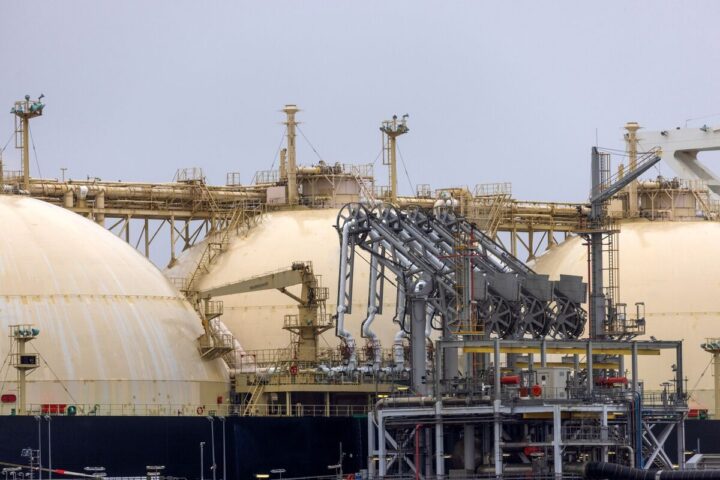
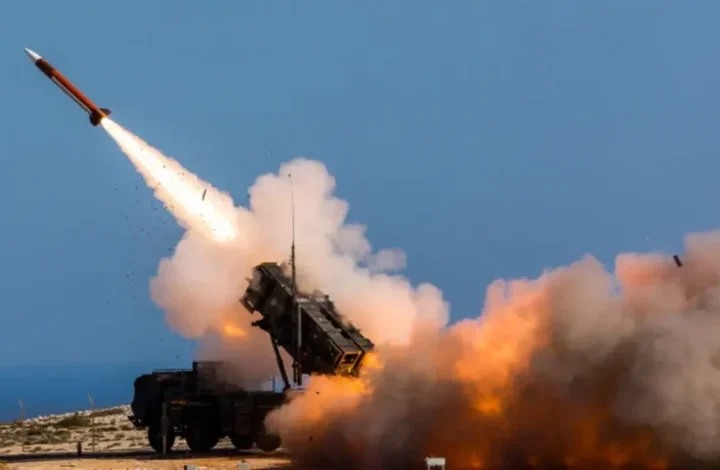
The official statement comes at a precarious moment for Middle Eastern security. Over the last several months, several commercial vessels and coastal facilities have reported sophisticated drone and missile strikes that many analysts believe bear the hallmarks of Iranian technology. However, the Iranian delegation at the UN described these findings as politically motivated fabrications designed to further isolate Tehran and justify increased naval presence by foreign powers in the strategic waterway.
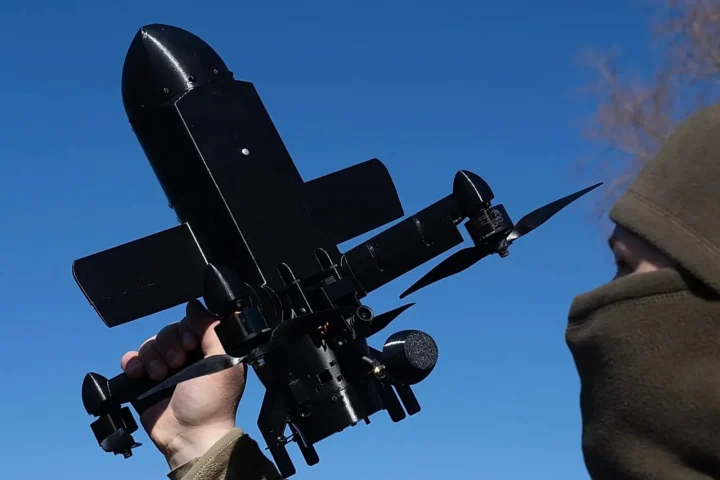
International maritime experts and defense investigators have previously showcased debris and forensic evidence which they claim links the weaponry used in these attacks to specific Iranian manufacturing facilities. These reports suggest a pattern of asymmetric warfare aimed at disrupting global trade routes and exerting pressure on regional rivals. The embassy’s rebuttal, however, insists that Iran remains a primary guarantor of security in the Strait of Hormuz and would have no strategic interest in destabilizing the very waters it relies upon for its own economic survival.
While the ambassador’s comments are consistent with previous diplomatic stances, the timing is particularly significant. Global energy markets remain sensitive to any volatility in the Gulf, and the threat of disrupted supply lines continues to drive international policy. The United States and its allies have used these incidents to advocate for tighter sanctions and more robust maritime patrols, arguing that the evidence of Iranian culpability is incontrovertible. Tehran, in contrast, views these military deployments as an encroachment on its sovereign sphere of influence.
Inside the UN chambers, the debate has shifted toward the reliability of the evidence itself. European diplomats have called for an independent verification process to bridge the gap between the accusations and Iran’s denials. They argue that without a transparent investigation, the cycle of shadow warfare in the Gulf will likely escalate, potentially leading to a direct kinetic conflict that neither side claims to want. The Iranian representative dismissed these calls for investigation, suggesting that the current framework for such inquiries is inherently biased against the Islamic Republic.
Beyond the immediate military implications, this diplomatic standoff reflects the broader impasse in regional relations. Attempts to revive nuclear discussions and broader security pacts have been repeatedly hampered by these recurring skirmishes at sea. When civilian infrastructure becomes a target, the risk of collateral damage increases, drawing in the interests of global powers who may otherwise remain on the sidelines of Middle Eastern geopolitics.
As the session concluded, the Iranian delegation reiterated that it would defend its borders against any perceived aggression while continuing to deny any offensive operations against civilian targets. For now, the Gulf remains a theater of high-stakes rhetoric and contested facts. With both sides standing firm on their respective versions of events, the international community faces the difficult task of de-escalating a situation where the truth is as turbulent as the waters of the Persian Gulf itself.