Staff Report
The geopolitical landscape of the Middle East shifted dramatically overnight as a series of coordinated military strikes targeted key strategic locations within Iran. This operation, involving both Israeli and United States forces, represents a significant escalation in a long-simmering shadow war that has now moved firmly into the public eye. Reports indicate that the strikes were designed to neutralize specific military infrastructure and research facilities that intelligence agencies have long identified as critical to regional instability.
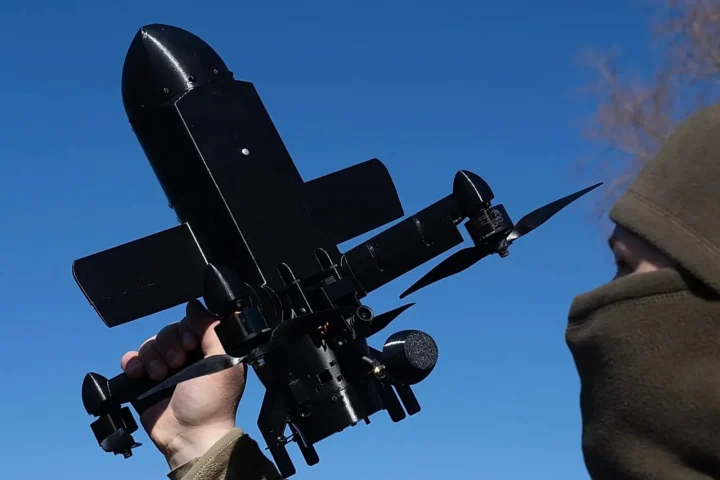
Initial reports from Tehran suggest that explosions were heard near several high-security zones, including facilities linked to drone production and missile storage. While the full extent of the damage remains difficult to verify due to strict information controls within the Islamic Republic, satellite imagery and local eyewitness accounts point to substantial structural impact at multiple sites. The precision of these strikes suggests a high level of intelligence sharing and tactical planning between Washington and Jerusalem, marking a new chapter in their defense partnership.
In a brief statement issued shortly after the operation, Western officials characterized the mission as a defensive measure intended to degrade Iranian capabilities that threaten international shipping lanes and allied territories. The timing of the strikes is particularly notable, occurring just as diplomatic efforts to revive regional security frameworks appeared to reach a stalemate. For months, military analysts have warned that a direct kinetic confrontation was becoming increasingly likely as deterrence measures failed to curb the expansion of proxy activities across the Levant.
Internal reactions within Iran have been predictably defiant. State-run media outlets have downplayed the severity of the incursions, claiming that air defense systems successfully intercepted the majority of incoming projectiles. However, the sheer scale of the operation suggests that the defensive umbrella was at least partially bypassed. In the streets of Tehran and Isfahan, a tense calm has taken hold as citizens wait to see how the Supreme Leader and the Revolutionary Guard will choose to respond. Historically, Iran has favored asymmetric retaliation, but the direct nature of this latest engagement may force a more conventional military reply.
Global markets reacted swiftly to the news of the strikes, with crude oil prices seeing an immediate spike amid fears of a wider conflict that could choke the Strait of Hormuz. Energy analysts are closely monitoring the situation, noting that any prolonged disruption in the region could lead to significant inflationary pressure on the global economy. Similarly, defense stocks in New York and London saw an uptick as investors braced for a period of sustained military investment and heightened readiness across the globe.
Diplomatic repercussions are already being felt at the United Nations, where several member states have called for an emergency session of the Security Council. While the United States has maintained that the actions were necessary for regional stability, other world powers have expressed concern that the strikes could ignite a broader regional conflagration that draws in neighboring states. The challenge for the international community now lies in preventing a cycle of escalation that could lead to a full-scale war, a scenario that all parties publicly claim they wish to avoid.
As the dust settles on the initial wave of strikes, the focus turns to the potential for a counter-strike. The coming days will be critical in determining whether this event was a one-off demonstration of force or the beginning of a sustained military campaign. Intelligence agencies are currently on high alert, scanning for signs of mobilization among regional proxies in Lebanon, Iraq, and Yemen. For now, the world watches with bated breath as the two most powerful military forces in the region engage in a high-stakes gamble that will redefine Middle Eastern security for years to come.