Staff Report
The deepening geopolitical instability across the Middle East has moved beyond the realm of diplomatic cables and evening news reports to become a tangible threat to the average household budget. As tensions between major regional powers escalate, the global financial ecosystem is bracing for a series of shocks that could redefine consumer spending and investment strategies for the foreseeable future. While the human cost of conflict remains the primary concern, the secondary economic ripples are beginning to reach every corner of the international market.
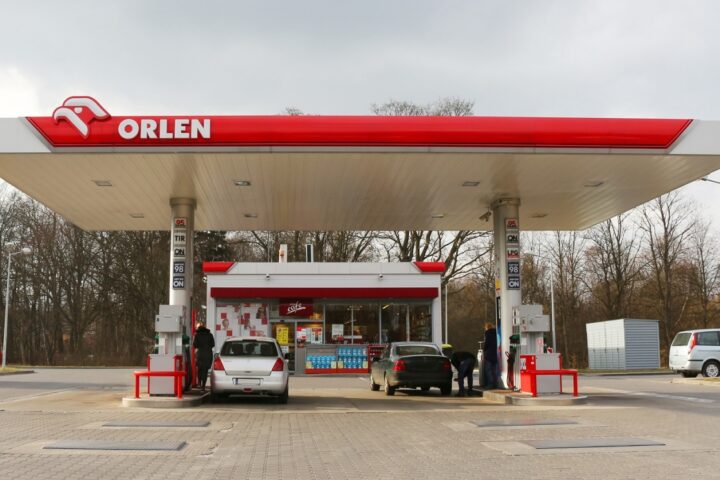
Energy prices remain the most immediate and volatile variable in this complex equation. The proximity of current hostilities to the Strait of Hormuz, a critical chokepoint through which approximately one-fifth of the world’s oil supply passes, has put commodities traders on high alert. Any sustained disruption to this passage would likely send crude prices toward historic highs, resulting in an immediate surge at the gas pump and increased home heating costs. Because energy is a foundational input for almost every sector of the economy, these price hikes act as a hidden tax on consumers, reducing discretionary income and cooling retail demand.
Beyond the obvious impact on fuel, the current climate of uncertainty is significantly affecting the global logistics and shipping industry. Major maritime carriers have already begun rerouting vessels to avoid high-risk zones, adding thousands of miles and weeks of delay to international trade routes. These logistical detours come with a heavy price tag in the form of increased fuel consumption and higher insurance premiums. For the end consumer, this translates into higher prices for imported electronics, clothing, and even shelf-stable groceries. The supply chain resilience that was painstakingly rebuilt following the pandemic is once again being tested by the specter of regional warfare.
Investment portfolios are also feeling the weight of the geopolitical shift. Traditionally, during times of heightened military tension, investors flee toward safe-haven assets such as gold and government bonds. This movement can lead to significant volatility in the equity markets, particularly for companies with deep exposure to international trade or those reliant on stable energy costs. Financial advisors are increasingly fielding calls from concerned clients asking how to shield their retirement savings from a potential market downturn triggered by events thousands of miles away. The consensus among many analysts is that diversification is no longer just a suggestion but a necessity for survival in an era of persistent regional conflict.
Central banks find themselves in a particularly difficult position as they attempt to manage these external shocks. Many nations are still struggling to permanently lower inflation rates following the recent global economic recovery. A new surge in energy and commodity prices driven by conflict would complicate the mission of the Federal Reserve and its counterparts abroad. If inflation begins to climb again due to geopolitical factors, interest rates may remain higher for longer than previously anticipated. This scenario would keep borrowing costs high for mortgages, auto loans, and credit cards, further straining the financial health of the middle class.
As the situation evolves, the importance of maintaining a defensive financial posture cannot be overstated. Economists suggest that individuals should prioritize liquidity and review their exposure to high-risk sectors. While it is impossible to predict the exact trajectory of regional hostilities, the historical precedent suggests that markets eventually price in the risk, though the transition period is often marked by painful adjustments for consumers. The bill for global instability is rarely paid by governments alone; it is distributed across the wallets of citizens worldwide through the invisible mechanisms of the global market. Staying informed and proactive is the only way to navigate the coming economic headwinds.