Staff Report
The geopolitical landscape in the Eastern Mediterranean has shifted dramatically following a series of security incidents involving British military installations on the island of Cyprus. Security analysts and defense officials are closely monitoring what appears to be a widening scope of retaliation from regional actors linked to Tehran. For decades, the Sovereign Base Areas of Akrotiri and Dhekelia have served as vital strategic hubs for the United Kingdom, providing a platform for reconnaissance and logistics across the Levant. However, recent developments suggest these once secure enclaves are now firmly within the crosshairs of regional proxy forces.
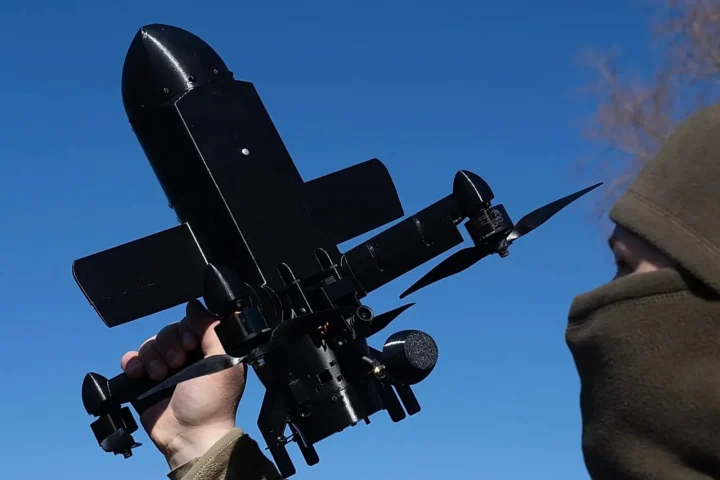
Intelligence reports indicate that the threats involve a sophisticated combination of long-range surveillance and potential drone incursions. The British Ministry of Defence has refrained from detailing specific tactical failures but acknowledged an increased state of readiness across its Mediterranean assets. This escalation comes at a time when the broader Middle East is grappling with a cycle of violence that threatens to draw in European powers. By targeting Akrotiri, which has frequently been used as a launchpad for Western operations in the region, pro-Iranian groups are sending a clear signal that no Western military footprint is beyond their reach.
Local authorities in Cyprus have expressed growing concern over the spillover effects of these regional animosities. While the British bases operate under UK sovereignty, their physical location on the island means that any significant kinetic engagement could have devastating consequences for Cypriot security and tourism. The government in Nicosia has reportedly stepped up diplomatic efforts to ensure that the island does not become a secondary theater in a larger conflict between Western powers and Iranian-backed militias. The complexity of the situation is compounded by the fact that these bases are integrated into the local infrastructure, sharing airspace and communication corridors with civilian entities.
Military experts suggest that the targeting of British assets is a calculated move to pressure the United Kingdom into reducing its intelligence-sharing activities. There is a prevailing belief among regional military observers that the UK has been providing critical surveillance data to its allies, an act that Tehran views as direct interference. By moving the focus of the conflict to Cyprus, these militias are testing the resolve of the British government and its willingness to maintain a forward-deployed presence in an increasingly hostile environment.
Downing Street has remained firm in its rhetoric, asserting that the British military will continue to operate wherever its interests are at stake. However, behind the scenes, there is a frantic effort to bolster air defense systems and electronic warfare capabilities on the island. The Royal Air Force has reportedly deployed additional personnel specialized in counter-drone technology to Akrotiri, reflecting a recognition that the threat has evolved from rhetorical posturing to tangible operational risks. The challenge for the UK lies in deterring these attacks without inadvertently triggering a wider regional war that could close vital shipping lanes and disrupt global energy markets.
As the situation develops, the international community is watching to see how NATO allies respond to this direct provocation of a member state’s sovereign territory. The implications reach far beyond the shores of Cyprus, as the security of the Eastern Mediterranean is a cornerstone of European stability. If the British bases are seen as vulnerable, it could embolden other regional actors to challenge Western interests in the Red Sea and the Persian Gulf. For now, the silent hills of the Cypriot countryside remain on high alert, serving as the latest frontline in a shadow war that shows no signs of abating.