Staff Report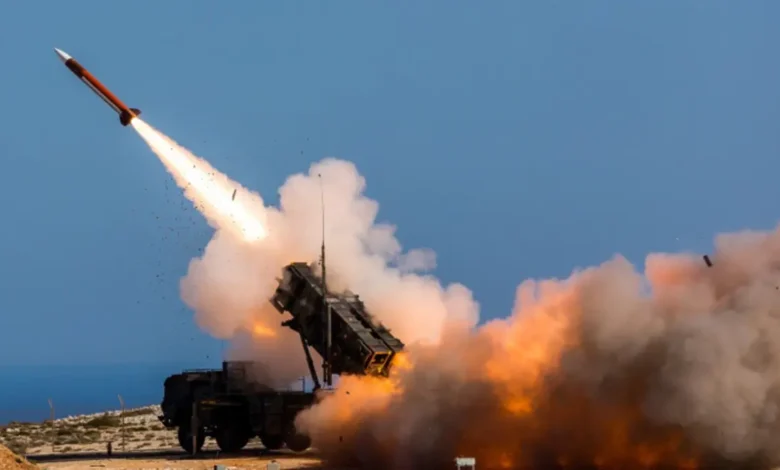
A second Iranian ballistic missile, reportedly bound for Türkiye, was intercepted by NATO forces this past week, underscoring the expanding volatility in the Middle East. This incident follows a similar event less than seven days prior, where an Iranian projectile was also neutralized as it approached Turkish airspace near the Syrian border. The repeated interceptions occur as US-Israeli military actions against Iran intensify, contributing to a broader regional conflict.
NATO officials have confirmed the recent interception, with spokesperson Allison Hart reiterating the alliance’s commitment to its members. “NATO stands firm in its readiness to defend all Allies against any threat,” Hart stated, emphasizing the defensive posture of the organization. Despite these direct provocations, there has been no formal move by Türkiye to trigger alliance proceedings against Iran, according to NATO sources. However, the Turkish government did summon Iran’s ambassador to Ankara to deliver a formal rebuke, signaling the seriousness with which Ankara views these incursions. The United States maintains a significant military presence in the region, including at the Incirlik airbase in southern Türkiye.
Colonel Martin O’Donnell, spokesperson for the Supreme Headquarters Allied Powers Europe, provided further details, highlighting NATO’s robust interception capabilities. Speaking from NATO headquarters in Brussels, Colonel O’Donnell noted that while Iran appears to be targeting “the US footprint in various countries,” its attacks are also “indiscriminately” affecting public spaces. This assessment suggests a dual threat: direct military confrontation and broader regional destabilization. The alliance has consequently elevated its security posture, maintaining a heightened state of readiness until the current threat environment subsides.
Despite the direct involvement of the United States, NATO’s most powerful member, in prosecuting the wider conflict, the organization maintains its stance of non-partisanship. Colonel O’Donnell reiterated this position, stating, “The Secretary General has been clear that NATO is not part of this war, but NATO will defend itself.” This distinction is critical, as it attempts to delineate NATO’s defensive mandate from the offensive actions undertaken by individual member states outside the alliance’s collective defense framework. The delicate balance between supporting an ally and avoiding direct entanglement in a regional conflict continues to be a central challenge for the alliance.
The repeated missile incidents over Turkish territory introduce a new layer of complexity to an already volatile situation. While Türkiye has not invoked Article 5, the diplomatic summoning of the Iranian ambassador suggests a growing impatience with Tehran’s actions. The strategic location of Türkiye, bordering both Syria and Iran, places it at a critical juncture in the unfolding regional dynamics. The presence of US forces within Türkiye, combined with NATO’s stated commitment to defending its members, means any further Iranian missile activity could quickly escalate the situation, potentially drawing more direct responses from the alliance. The immediate future hinges on how effectively diplomatic channels can manage these recurring aerial incursions, alongside the broader military operations in the region.