Staff Report
Recent financial assessments of the European landscape have highlighted a widening chasm in the cost of living between the continent’s eastern and western regions. As inflation stabilizes across the eurozone, the actual price of daily existence remains a primary concern for expatriates, remote workers, and local citizens alike. The latest data suggests that while the dream of a Mediterranean lifestyle remains popular, the financial reality of maintaining a household varies significantly depending on which side of the old Iron Curtain one chooses to settle.
Switzerland and Iceland continue to dominate the top tier of the most expensive nations, driven by high labor costs and significant import duties. In these markets, basic services such as dining out or securing private health insurance can cost triple the European average. For many professionals, these high costs are offset by some of the world’s highest median salaries, yet the entry barrier for newcomers remains daunting. Even within the European Union proper, nations like Ireland and Denmark have seen housing costs spiral, pushing the cost of living indices to record highs that challenge the purchasing power of the middle class.
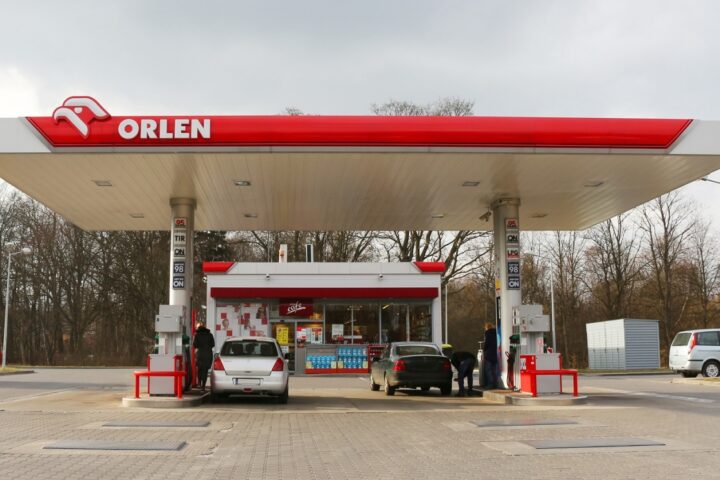
Conversely, Eastern Europe offers a different economic narrative. Countries such as Romania, Bulgaria, and Poland remain the most budget-friendly options for those earning in stronger currencies or working for international firms. In these jurisdictions, the price of groceries, public transport, and monthly rent is a fraction of what one would pay in London, Paris, or Geneva. Analysts note that while local wages in these regions are also lower, the ‘quality of life’ ratio for remote workers has turned cities like Bucharest and Sofia into burgeoning hubs for the global tech community.
Southern Europe occupies a middle ground that is increasingly under pressure. Traditionally affordable destinations like Portugal and Greece are grappling with a dual-edged sword. While they offer a lower cost of living than Germany or France, an influx of digital nomads and foreign investors has driven up real estate prices in major urban centers. This phenomenon has created a localized inflation crisis, where the cost of housing is decoupling from the local wage growth, making it difficult for younger generations to remain in their home cities despite the relatively low cost of consumer goods.
Energy costs have played a pivotal role in these recent shifts. Nations with robust domestic energy production or diversified supply chains have managed to insulate their citizens from the worst of the price hikes seen over the last twenty-four months. Meanwhile, landlocked countries heavily dependent on imported gas have seen their cost of living rise at an accelerated pace. This energy factor has become a critical variable for anyone looking to relocate, as heating and electricity now represent a much larger share of the average monthly budget than they did a decade ago.
Looking forward, the disparity between Europe’s most and least expensive countries is unlikely to close anytime soon. While the convergence of the single market was intended to harmonize prices, the local realities of geography, taxation, and housing supply continue to create a fragmented economic map. For the modern consumer or investor, navigating this landscape requires a sophisticated understanding of how local purchasing power interacts with global economic trends. The choice of where to live in Europe is no longer just a lifestyle preference but a complex financial calculation that can determine one’s long-term wealth accumulation.