Staff Report
The skyline of Dubai, usually a beacon of stability and economic prowess in the Middle East, found itself at the center of alarming reports earlier today, suggesting an unprecedented assault originating from Iran. Initial, unconfirmed accounts began circulating on social media platforms, quickly gaining traction and sparking widespread concern about the potential for a significant escalation in an already volatile region. These reports, however, were swiftly met with official denials and a notable absence of corroborating evidence from credible international monitoring bodies or local authorities.
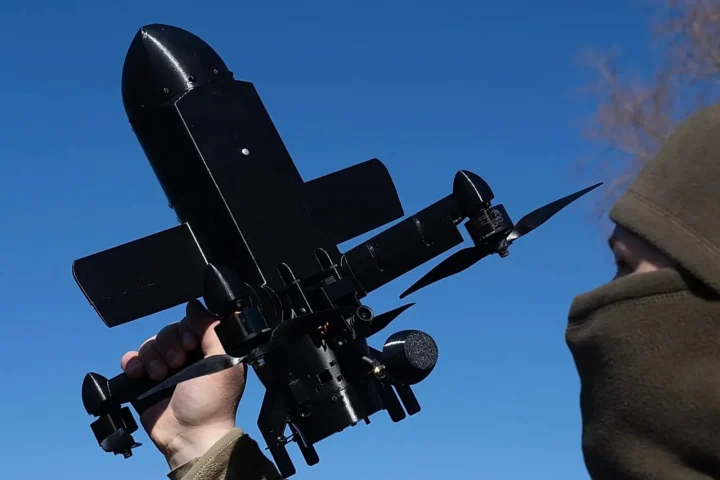
Details emerging from various online sources painted a picture of drone or missile activity directed towards key infrastructure within the United Arab Emirates’ most populous city. Yet, no visual confirmation, such as widespread damage, significant fires, or the deployment of emergency services on a large scale, accompanied these claims. The narrative appeared to be primarily driven by speculative posts and videos of unclear origin, which often lacked specific timestamps or geographical markers that could definitively link them to the alleged events in Dubai. This rapid dissemination of unverified information underscores the challenges in distinguishing fact from fiction during moments of heightened geopolitical sensitivity.
Official statements from both Iranian and Emirati channels have consistently refuted the allegations. Representatives from Tehran dismissed the claims as baseless fabrications designed to sow discord, while Emirati spokespersons reiterated that the situation in Dubai remained calm and secure, with no indicators of any external aggression. Commercial flights continued to operate on schedule, and daily life in the emirate showed no signs of disruption, further undermining the veracity of the initial reports. The discrepancy between the circulating claims and the observable reality prompted many analysts to question the motivations behind such a rapid and widespread propagation of misinformation.
The context surrounding these reports is critical. The broader Middle East has been experiencing a period of increased friction, with various state and non-state actors engaged in proxy conflicts and strategic maneuvering. Incidents involving maritime security, drone attacks on oil facilities, and cyber warfare have become more frequent, contributing to an atmosphere ripe for misinterpretation or deliberate disinformation campaigns. In such an environment, even unsubstantiated rumors can trigger significant market instability and diplomatic crises, making the immediate and clear communication from official sources paramount.
Examining the digital footprint of these reports reveals a pattern consistent with coordinated online activity. While it is difficult to definitively attribute such campaigns, the speed with which the narrative spread across multiple platforms, often utilizing identical phrasing and imagery, suggests more than organic public discourse. Experts in cybersecurity and disinformation are likely to be scrutinizing the origins and propagation methods of these claims to understand who might benefit from creating a false impression of an attack on Dubai by Iran.
For now, the situation appears to be a clear case of misinformation, successfully countered by the absence of tangible evidence and direct official denials. The incident serves as a stark reminder of the fragile information ecosystem in which international relations are increasingly conducted. It highlights the urgent need for critical evaluation of sources, especially when confronted with sensational claims that could have far-reaching implications for regional stability and global markets. The focus now shifts to understanding the impetus behind these false reports and reinforcing mechanisms to prevent similar occurrences from destabilizing an already complex geopolitical landscape.