Staff Report
A significant breakthrough in European energy diplomacy emerged this week as Slovak Prime Minister Robert Fico and European Commission President Ursula von der Leyen reached a formal understanding regarding the restoration of the Druzhba oil pipeline. The agreement marks a pivotal moment in a months-long standoff that has threatened the energy security of Central European nations and exposed deep rifts within the European Union’s broader strategy toward Russian energy imports.
The Druzhba pipeline, which translates to Friendship, has served as a primary artery for crude oil flowing from Russia into refineries in Slovakia, Hungary, and the Czech Republic for decades. However, recent geopolitical tensions and regulatory hurdles resulted in a significant reduction in volumes, leaving Bratislava and Budapest in a precarious economic position. Prime Minister Fico has been a vocal critic of the disruptions, arguing that the sudden loss of supply would devastate the Slovak industrial sector and cause a spike in consumer prices that the domestic economy could not absorb.
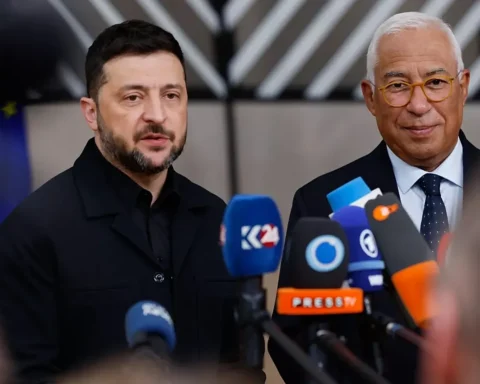
During high-level discussions in Brussels, von der Leyen and Fico focused on the technical and legal frameworks necessary to resume stable operations while remaining compliant with existing international sanctions. The European Commission has been balancing its commitment to reducing overall dependence on Russian fossil fuels with the immediate humanitarian and economic realities faced by landlocked member states. This new agreement suggests a pragmatic shift toward ensuring that essential infrastructure remains operational during the transition to alternative energy sources.
Central to the negotiations was the role of Lukoil, the Russian energy giant that had seen its shipments through the pipeline blocked by Ukrainian sanctions earlier this year. The resolution involves a complex legal restructuring of how the oil is purchased and titled as it crosses the border, effectively allowing the flow to resume without violating the spirit of the sanctions regime. For Slovakia, which relies on the Druzhba pipeline for the vast majority of its refining capacity, the news brings a much-needed sense of stability to its national energy outlook.
Industry analysts suggest that the cooperation between Fico and von der Leyen indicates a cooling of rhetoric between Bratislava and the European Commission. Since taking office, Fico has often found himself at odds with Brussels over foreign policy and the rule of law. However, the shared threat of an energy crisis appears to have forced both parties to the table. By securing the support of the Commission, Fico has demonstrated a capacity to protect Slovak interests within the EU framework, while von der Leyen has managed to maintain a unified front among member states.
The restoration of the pipeline is not merely a bilateral success but a relief for the entire region. Refineries such as Slovnaft in Bratislava are specifically calibrated to process the heavy sour crude typically transported through the Druzhba system. Switching to alternative blends delivered via the Adriatic coast would require significant capital investment and years of technical retrofitting. The current accord provides the time necessary for these nations to diversify their energy portfolios without facing an immediate collapse of their industrial output.
As the winter months approach, the focus will now shift to the implementation of the technical protocols agreed upon by the leaders. Ensuring the physical security of the infrastructure and the transparency of the financial transactions will be paramount. While the long-term goal of the European Union remains a total decoupling from Russian energy, this agreement acknowledges that the path to energy independence must be paved with careful management of existing assets to prevent internal economic instability from undermining the bloc’s collective resolve.