Staff Report
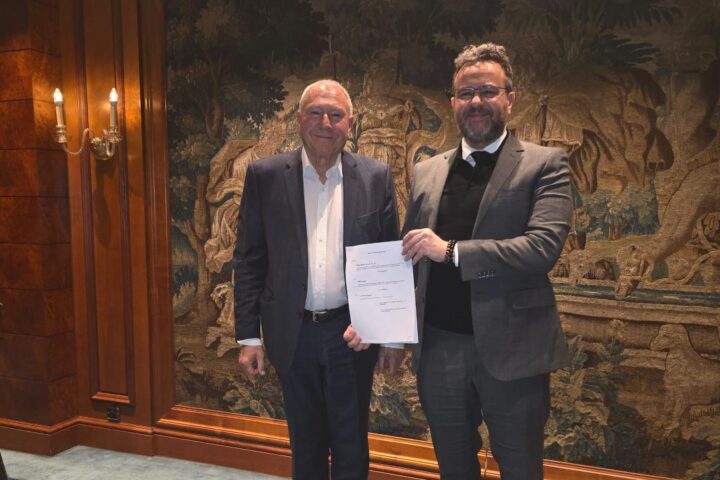
In a historic shift for Balkan diplomacy, Serbia and Albania have issued a joint declaration calling for a radical overhaul of the European Union’s accession process. The proposal specifically targets the removal of the individual member state veto power, a mechanism that has long hindered the progress of candidate nations in the region. This rare show of solidarity between Belgrade and Tirana represents a tactical pivot intended to break the decades-long deadlock in their respective journeys toward Brussels.
The joint text emphasizes that the current integration model allows a single member state to stall the entire enlargement process based on bilateral disputes or domestic political considerations. By advocating for a move toward qualified majority voting on intermediate steps of the accession process, both nations argue that the European Union can restore credibility to its promise of regional stabilization. This move comes at a time when geopolitical tensions in Eastern Europe have renewed the urgency for a cohesive and expanded European bloc.
Historically, the path to EU membership for Western Balkan nations has been fraught with obstacles. North Macedonia, for instance, faced years of delays due to naming disputes with Greece and subsequent cultural disagreements with Bulgaria. By presenting a unified stance, Serbian President Aleksandar Vucic and Albanian Prime Minister Edi Rama are signaling to the European Commission that the region is ready to move past historical grievances in favor of economic and structural integration. The proposal suggests that while the final admission of a new member should still require unanimity, the opening and closing of individual thematic chapters should not be subject to the whims of a single capital.
Critics within the European Union have long argued that the veto is a necessary tool to ensure that every member state’s national interests are protected. However, the Serbian and Albanian leaders contend that this power has been weaponized, leading to a sense of ‘enlargement fatigue’ among their populations. They argue that the constant shifting of goalposts undermines democratic reforms within candidate countries, as citizens lose faith that their efforts will ever result in actual membership. The joint statement posits that a more predictable, merit-based system would provide a stronger incentive for difficult domestic transitions.
The timing of this declaration is significant. As the European Union prepares for a new leadership cycle following recent elections, there is an active debate regarding internal reforms versus expansion. Some current members insist that the EU must reform its own voting structures before it can accommodate new members. Serbia and Albania are effectively inserting themselves into this debate, suggesting that reform and enlargement can, and must, happen simultaneously to ensure the continent’s long-term security.
Economic considerations also play a major role in this diplomatic maneuver. Both nations are part of the Open Balkan initiative, which seeks to create a common market with free movement of goods, services, and people. By aligning their foreign policy goals regarding the EU, they are demonstrating a level of regional maturity that Brussels has frequently demanded. The message is clear: if the Western Balkans can cooperate on such a sensitive issue, the European Union should be able to modernize its own rigid bureaucratic hurdles.
While the proposal is likely to face stiff resistance from certain EU capitals that guard their veto power fiercely, the joint text has already succeeded in refocusing international attention on the region. It remains to be seen whether this alliance will move the needle in Brussels, but it undoubtedly marks a new chapter in Balkan geopolitics. For the first time, two of the region’s most influential players are speaking with one voice, demanding a seat at the table on their own terms.