Staff Report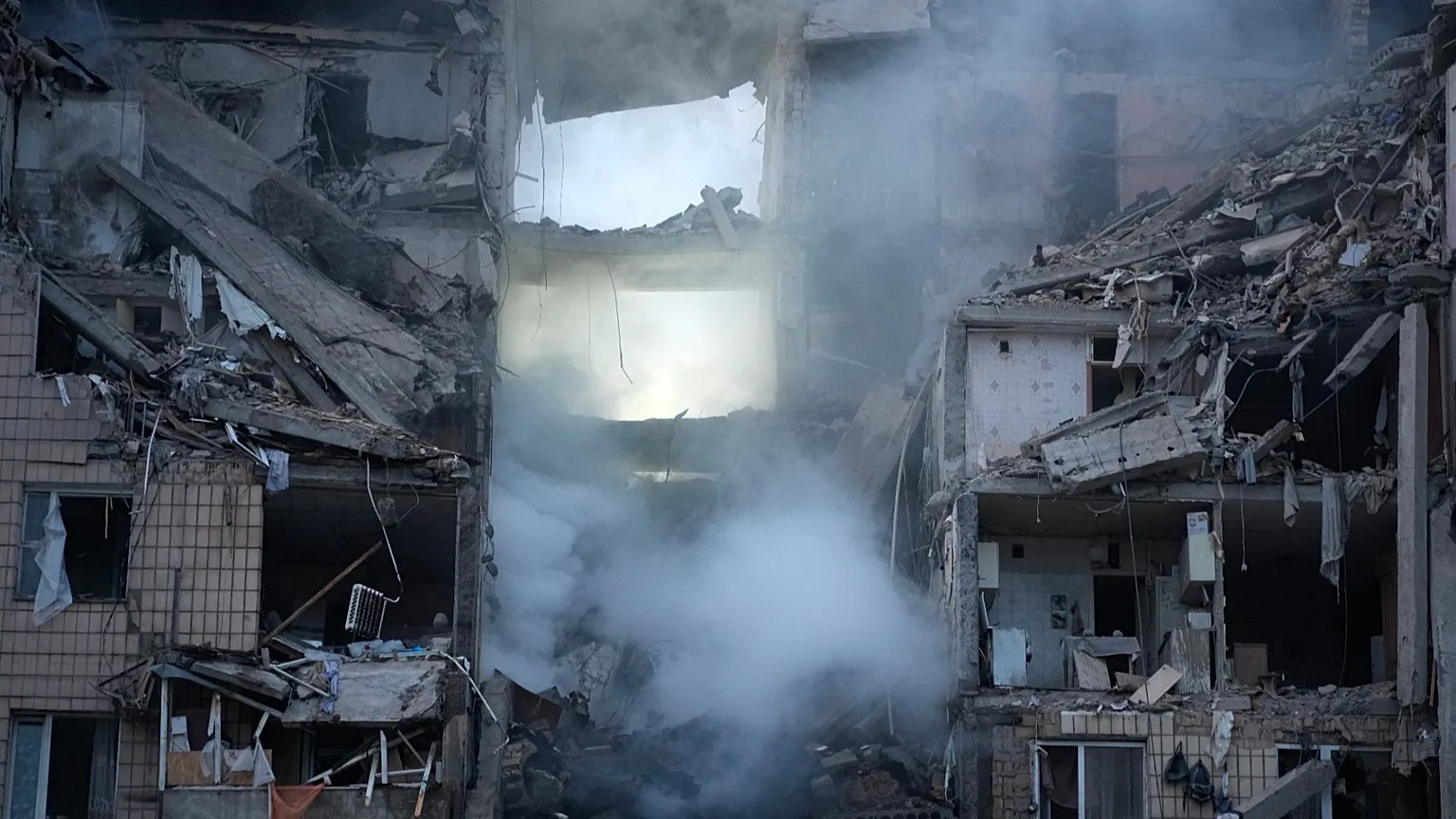
Overnight on July 6, Ukrainian air defenses faced a stark reality: not a single one of the 29 ballistic missiles launched by Russia was intercepted. Colonel Yurii Ihnat, spokesperson for the Ukrainian Air Force, characterized the interception success rate as “low, to put it mildly,” underscoring a persistent and critical vulnerability. Ihnat stated unequivocally that Ukraine currently lacks the necessary capabilities to effectively counter Russia’s ballistic missile arsenal. While the country possesses air defense systems, the consistent supply of interceptor missiles, particularly for the Patriot system, remains a significant challenge.
This deficit is not lost on Moscow, which, according to Ihnat, is actively exploiting the global shortage of PAC-2 and PAC-3 interceptor missiles. Russia’s strategy appears to involve an increasing reliance on ballistic missile strikes, leveraging this known weakness in Ukraine’s defensive posture. Ukrainian officials continue to pursue diplomatic avenues to bolster their air defense capabilities, recognizing the urgent need for external support.
Vsevolod Chentsov, Ukraine’s ambassador to the EU, articulated the Kremlin’s message behind these intensified attacks. He conveyed that Russia intends to prolong the conflict, but stressed that Ukraine and its allies would respond. Chentsov referred to Kyiv’s escalating mid- and long-range strikes into Russian territory and occupied areas as “kinetic sanctions,” indicating a strategy to apply pressure on Russia’s war machine. Despite these offensive actions, Chentsov conceded the immediate and pressing requirement for anti-ballistic air defenses.
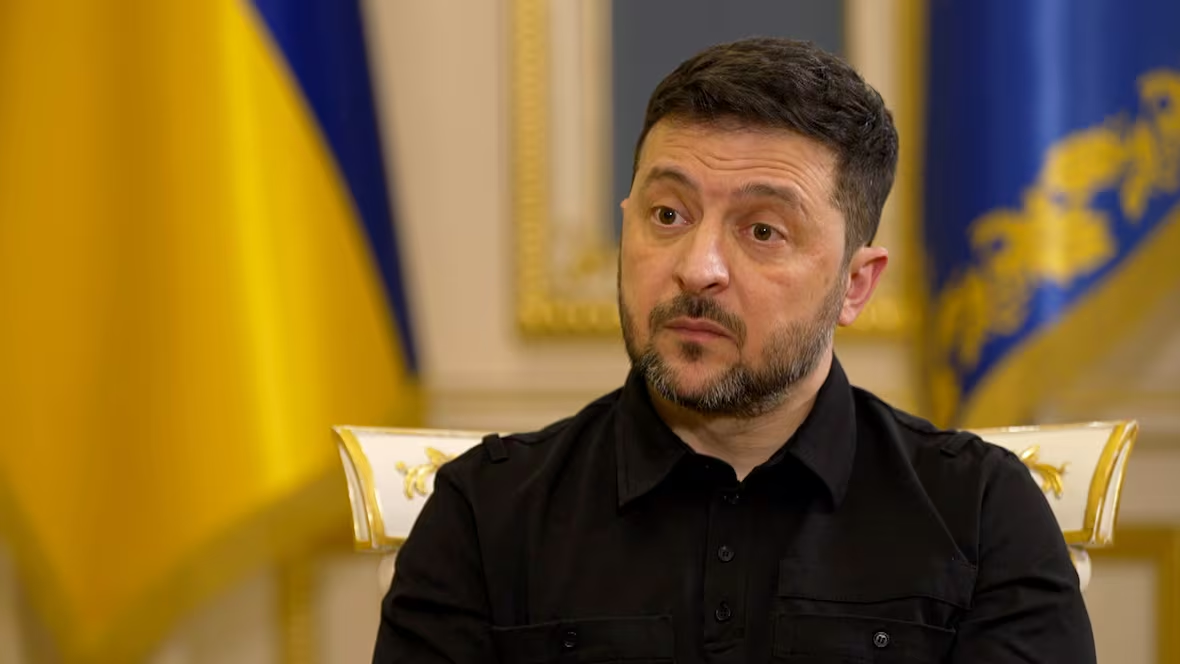
The urgency of this situation is expected to feature prominently at the upcoming NATO summit in Ankara. Ukrainian President Volodymyr Zelenskyy emphasized the critical importance of strong decisions from the summit, particularly from the United States and European partners, to support Ukraine’s air defense. He highlighted that as long as Patriot missiles remain in allied stockpiles rather than being deployed to Ukraine, Russia is emboldened to target civilian infrastructure. Zelenskyy asserted that the combined strength of the United States and Europe is sufficient to halt this pattern of attacks.
The US-made Patriot system stands as Ukraine’s primary effective defense against ballistic missiles. However, the supply of its interceptors has reportedly dwindled to critically low levels. Manufactured by Raytheon and Lockheed Martin in the United States, Patriot systems have been a cornerstone of air defense for numerous US allies, including several nations in the Gulf region, as well as Ukraine. The recent conflict involving the US and Israel against Iran has significantly depleted global stockpiles, with estimates suggesting nearly a third of all Patriot interceptors have been expended. Gulf states alone are believed to have fired over 1,100 interceptors in recent months.
According to figures cited by President Zelenskyy, Lockheed Martin’s annual production capacity for these interceptors stands at approximately 600 units, translating to about 60 to 65 per month. This production rate contrasts sharply with Russia’s estimated output of around 120 ballistic missiles monthly, alongside other weapon systems. Russian forces have increasingly tailored their strike tactics to exploit the identified gaps in Ukraine’s air defense, recently launching approximately 30 ballistic missiles in a single night, a clear indication of their intent to overwhelm and bypass existing defenses. The disparity between production and consumption rates for these critical interceptors presents a formidable challenge for Ukraine and its international supporters.