 Staff Report
The geopolitical landscape of the Middle East shifted dramatically overnight as coordinated military operations by the United States and Israel targeted several high-value Iranian installations. This escalation follows weeks of mounting tension and represents one of the most direct confrontations between the regional powers in recent history. Military officials confirmed that the strikes were precision-guided and aimed at degrading specific capabilities rather than initiating a total war, though the psychological and political impact of the mission is already being felt across global capitals.
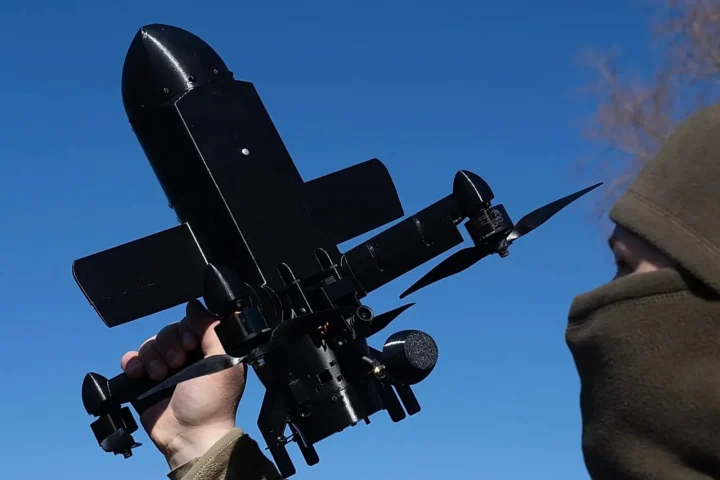
Initial reports from Tehran indicate that explosions were heard near several military bases and research facilities. While the Iranian government initially downplayed the extent of the damage, satellite imagery and local footage suggest significant structural impacts at sites believed to be linked to drone production and missile storage. The operation began in the early hours of the morning, utilizing advanced stealth technology to bypass regional air defense systems. This tactical success suggests a high level of intelligence gathering and operational planning between the two allied nations.
In Washington, a spokesperson for the Department of Defense emphasized that the actions were defensive in nature. The administration pointed to a series of recent provocations and threats against international shipping lanes and regional stability as the primary justification for the intervention. By striking these specific nodes, the allied forces aim to disrupt the supply chain of sophisticated weaponry that has fueled proxy conflicts throughout the region. The White House has maintained a stance of cautious readiness, stating that while they do not seek a broader conflict with Iran, they will not hesitate to protect their interests and those of their partners.
Israeli leadership has been more vocal about the necessity of the operation. In a televised address, senior officials argued that the window for diplomatic containment had narrowed significantly. They characterized the strikes as a necessary message to the leadership in Tehran that the era of strategic patience has concluded. The focus on Iranian military infrastructure is intended to set back their regional ambitions by several years, providing a temporary buffer for further diplomatic or defensive maneuvering. Public sentiment within Israel remains divided, with many supporting the firm stance while others express concern over the potential for a retaliatory cycle that could engulf the civilian population.
Global markets reacted swiftly to the news of the strikes, with oil prices experiencing a sharp uptick amid fears of a closure of the Strait of Hormuz. Analysts warn that if Iran chooses to respond by targeting energy infrastructure or maritime trade, the economic consequences could be felt worldwide. European leaders have called for immediate de-escalation, urging all parties to return to the negotiating table to prevent a full-scale regional war. However, the diplomatic path forward appears increasingly narrow as both sides harden their rhetoric and bolster their military presence along sensitive borders.
As the dust settles, the international community is watching closely for Iran’s next move. Historically, the regime has utilized unconventional warfare and proxy groups to respond to direct attacks, but the scale of this latest operation may demand a more overt reaction. Military analysts suggest that the coming forty-eight hours will be critical in determining whether this event remains a contained exchange or serves as the catalyst for a much larger confrontation. For now, the world waits as the shadow of conflict looms larger over one of the most volatile regions on earth.