Staff Report
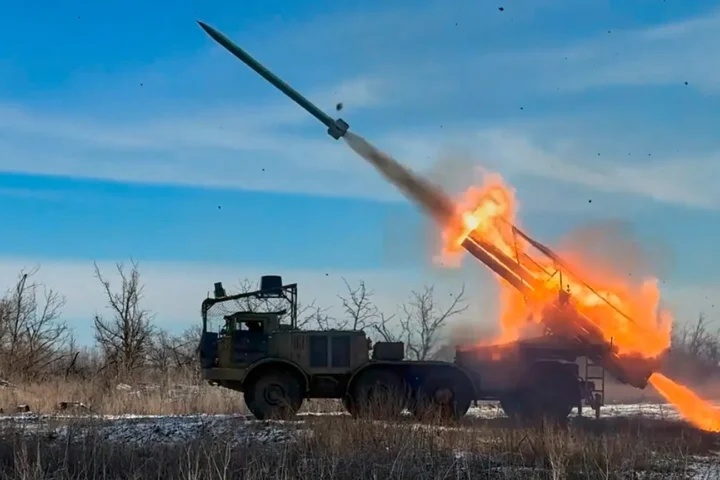
Budapest became the center of a heated political firestorm this week as Prime Minister Viktor Orban delivered a defiant message to his base regarding the escalating tensions across the border. Addressing a massive crowd of supporters ahead of the upcoming national elections, the long-serving leader positioned himself as the sole guarantor of peace for the Hungarian people. His rhetoric centered on a firm commitment to keep the nation’s military out of the neighboring war, a stance that has created significant friction with his allies in Brussels and Washington.
Orban told the gathered audience that the safety of Hungarian families remains his highest priority, asserting that the nation has no interest in becoming a participant in a conflict that does not directly involve its territory. This message resonates deeply with a domestic electorate that is increasingly wary of the economic and social costs of regional instability. By framing the election as a choice between peace and war, Orban is attempting to consolidate his power and paint his political opponents as reckless interventionists who would risk the lives of citizens for foreign interests.
The Prime Minister’s strategy relies on a narrative of national sovereignty, often clashing with the unified stance of the European Union. While most EU member states have moved to provide significant military aid and logistical support to Kyiv, Hungary has remained a notable outlier. Orban has consistently blocked or delayed sanctions and military transit, arguing that such actions only serve to prolong the suffering and draw the continent closer to a broader catastrophe. This isolationist approach has characterized his recent years in power, further alienating the country from its traditional Western partners.
Critics of the administration argue that Orban is using fear as a political tool to distract from internal economic challenges, including high inflation and a weakening currency. The opposition coalition has struggled to find a counter-narrative that can penetrate the state-aligned media landscape, which has amplified the government’s neutralist messaging. These rivals claim that the Prime Minister is effectively doing the bidding of Moscow by breaking European unity at a time when a cohesive front is most necessary. However, for many in the Hungarian countryside, Orban’s promise to keep their sons away from the front lines is a powerful and persuasive argument.
The geopolitical implications of this stance are profound. If Orban secures another term in April, the European Union will face continued difficulty in maintaining a unanimous policy regarding security and energy. Hungary’s reliance on Russian gas and oil remains a cornerstone of its foreign policy, and Orban has shown little interest in diversifying away from these sources if it means higher costs for his constituents. This economic pragmatism, coupled with a nationalist social agenda, has allowed his Fidesz party to maintain a firm grip on the country’s political machinery for over a decade.
As election day approaches, the international community is watching Budapest with a mixture of concern and scrutiny. The outcome will determine not only the future of Hungarian democracy but also the stability of the North Atlantic Treaty Organization’s eastern flank. Orban’s refusal to allow lethal weapons to pass through Hungarian territory has already complicated the logistics of regional defense. Should he win, it is expected that he will continue to leverage his veto power within the EU to extract concessions and maintain his vision of an illiberal state that puts local interests above collective security.
Ultimately, the rhetoric on the campaign trail reflects a deeper divide within Europe itself. The tension between national self-interest and the obligations of international alliances is reaching a breaking point in Hungary. Orban’s supporters see him as a shield against globalist pressures, while his detractors see a leader who is turning his back on the democratic values that the European project was built upon. With the eyes of the world on the April ballot, the Hungarian people must decide which vision of the future they are willing to support.