Staff Report
The definition of luxury travel has undergone a radical transformation over the last decade. While five-star hotels and Michelin-starred dining were once the pinnacle of high-end tourism, the global elite are now seeking something far more elusive. The modern luxury market is moving away from gold-plated fixtures and toward deep, immersive experiences that money alone cannot typically buy. This shift represents a transition from status-based consumption to a focus on access and rarity.
Ultra luxury travel today is defined by the concept of total isolation and bespoke craftsmanship. High-net-worth individuals are increasingly commissioning private expeditions to some of the most remote corners of the planet, ranging from the frozen plains of Antarctica to the dense jungles of the Amazon. These journeys are often facilitated by specialized logistics firms that can build temporary, luxury-standard encampments in places where no permanent infrastructure exists. The appeal lies in the fact that these experiences are inherently unrepeatable and shielded from the masses.
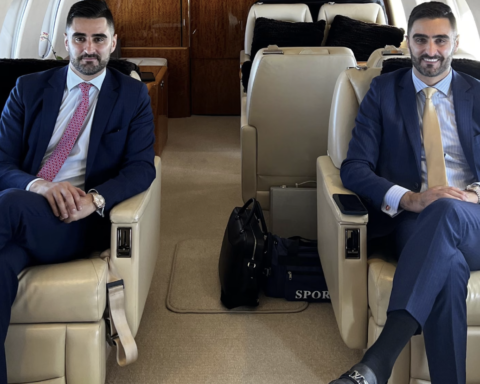
One of the most significant trends in this elite sector is the rise of the private jet expedition. Rather than flying commercial first class, travelers are booking multi-week itineraries on custom-configured Boeing or Airbus aircraft. These planes are stripped of their standard seating and replaced with spacious lounges, full-sized bedrooms, and dedicated culinary teams. These trips often follow a specific theme, such as a tour of the world’s most significant UNESCO World Heritage sites or a deep dive into the rarest wine regions of Europe, all while maintaining a consistent level of service that moves with the guest from country to country.
Beyond transportation, the demand for personalized human access has become the ultimate currency. Elite travelers are no longer satisfied with a standard tour guide. Instead, they are requesting the company of former heads of state, renowned historians, or world-class scientists. Imagine exploring the ruins of Egypt alongside a lead archaeologist who has spent thirty years excavating the site, or trekking through the Himalayas with a legendary mountaineer. This level of intellectual engagement provides a layer of depth that traditional luxury packages simply cannot match.
Conservation and philanthropy have also become central pillars of the most exclusive travel experiences. Many wealthy adventurers are looking to align their leisure time with their personal values. This has led to the emergence of impact-driven travel, where guests participate in high-level conservation efforts. This might involve accompanying researchers on a mission to tag endangered marine life in the Galapagos or funding a specific community project in sub-Saharan Africa. By integrating purpose into their journeys, these travelers feel a deeper connection to the destinations they visit.
Space tourism remains the final frontier for those who have seen everything on Earth. Companies like Virgin Galactic and Blue Origin are no longer just concepts but active operators providing suborbital flights for those willing to pay the quarter-million-dollar entry fee. While still in its infancy, the segment represents the absolute peak of the exclusivity pyramid. It is the ultimate expression of the desire for a perspective that is shared by only a handful of human beings.
As the world becomes more connected and digital, the value of true privacy continues to skyrocket. The most elite travel experiences are those that offer a complete disconnect from the digital noise of modern life. Whether it is a private island in the South Pacific that strictly limits guest numbers or a deep-sea submersible journey to the floor of the Atlantic, the goal is the same. Travelers are looking for moments of profound silence and wonder that exist outside the reach of the public eye. In this new era, the greatest luxury is not what you can show the world, but the rare moments you can keep for yourself.