 Staff Report
Despite the escalating domestic challenges and regional pressures facing the Iranian government, military analysts and intelligence officials are cautioning against expectations that Tehran will reduce its military cooperation with Moscow. Recent assessments indicate that the flow of Iranian weaponry to Russian forces engaged in Ukraine is likely to continue unabated, as the strategic alliance between the two nations remains a cornerstone of their respective foreign policies.
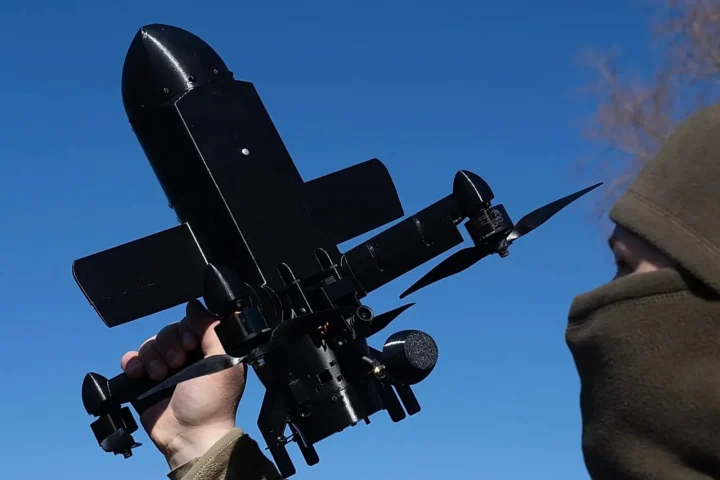
Defense experts point out that the production lines for the Shahed one-thirty-six loitering munitions and other tactical drones are largely insulated from the political unrest currently simmering within Iran’s borders. These manufacturing facilities are often managed by the Islamic Revolutionary Guard Corps, an entity that operates with a high degree of autonomy and priority regarding resource allocation. For the Kremlin, this consistency is vital as it continues to rely on low-cost, high-volume drone strikes to pressure Ukrainian infrastructure and air defense systems.
While some observers initially hypothesized that Iran might need to redirect its military assets inward to maintain domestic control, the nature of the hardware being exported suggests otherwise. The surveillance and attack drones sent to the Eastern European front are not the primary tools used for internal security or crowd control. Consequently, Tehran sees no logistical contradiction in maintaining its export commitments to Russia while simultaneously managing its own internal stability.
Furthermore, the transactional nature of the relationship provides Iran with significant incentives to keep the supply lines open. In exchange for its drone technology and potential ballistic missile transfers, Iran reportedly receives advanced Russian military hardware, including Sukhoi thirty-five fighter jets and sophisticated air defense systems like the S-four-hundred. These acquisitions are seen as essential for Iran’s long-term regional deterrence strategy, making the partnership with Russia too valuable to jeopardize over domestic grievances.
Diplomatic sources also suggest that the geopolitical isolation faced by both nations has created a ‘survivalist’ bond that transcends temporary political friction. As both countries face extensive international sanctions, they have developed parallel financial and logistical networks to bypass Western restrictions. This shared economic ecosystem ensures that the military-industrial cooperation remains profitable and functional even when one partner faces internal volatility.
On the ground in Ukraine, military commanders remain prepared for a sustained presence of Iranian technology. Ukrainian officials have noted that while the frequency of strikes fluctuates based on inventory and seasonal weather patterns, there is no evidence of a strategic withdrawal or a shortage caused by Iranian domestic issues. The resilience of this supply chain remains a significant hurdle for Western allies who had hoped that internal pressures might force a shift in Iran’s international alignment.
Looking ahead, the deepening of this technical collaboration may even accelerate. Reports of joint production facilities being established on Russian soil indicate a move toward a more permanent military-industrial integration. By moving manufacturing closer to the front lines, both nations can mitigate the risks associated with long-distance transport and potential interdiction. This evolution signals that the Iranian-Russian axis is preparing for a long-term engagement, regardless of the political climate in Tehran.