Staff Report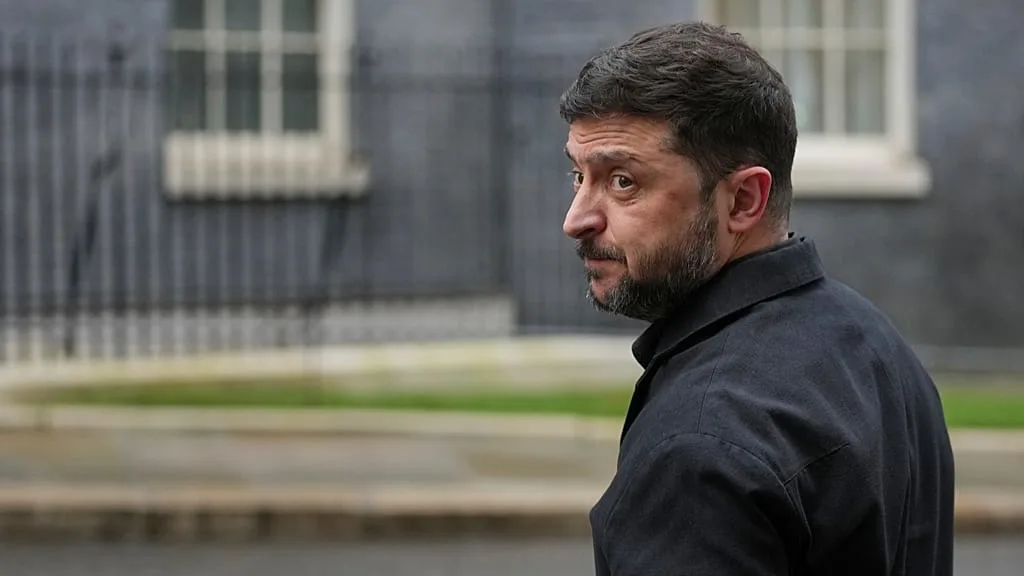
If Ukraine were to hold national elections right now—despite the ongoing war, martial law, and the unprecedented pressures on its political system—one question dominates political debate: Who would actually win?
Under wartime conditions, Ukrainian elections remain suspended, and public polling is limited and often shaped by the emotional volatility of conflict. Yet enough data and political indicators exist to construct a realistic, evidence-based analysis of what an election outcome might look like in the current environment.
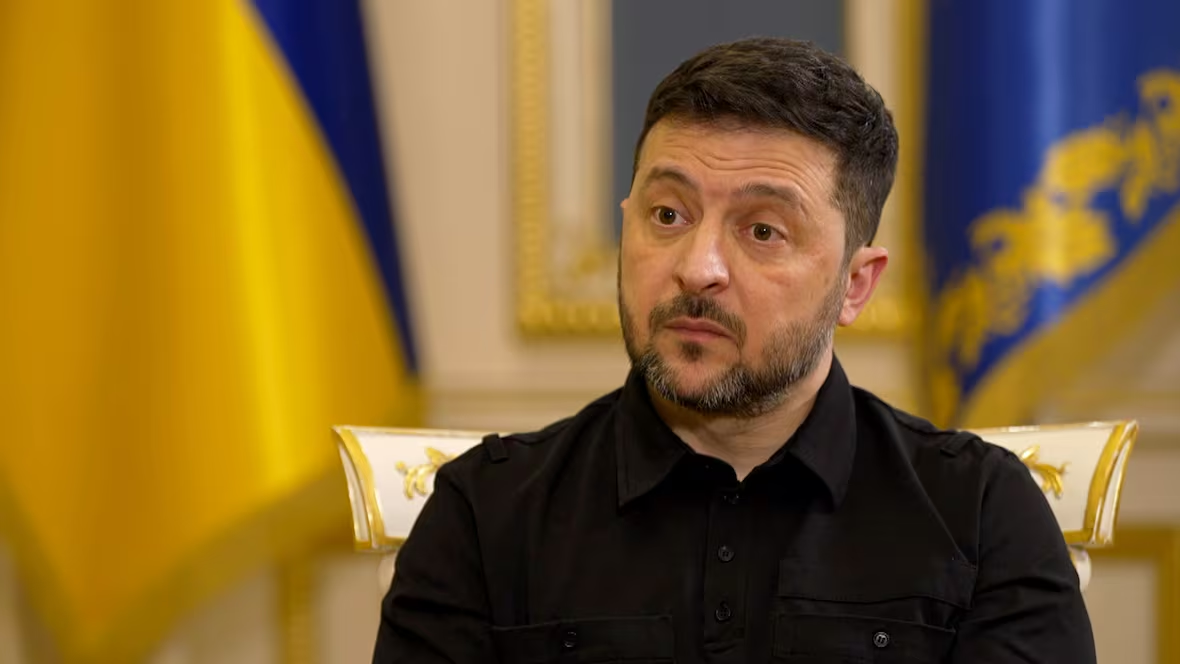
The conclusion is nuanced: President Volodymyr Zelensky would remain the most likely political winner, but with far more competition, lower approval ratings than during the early months of the war, and a dramatically reshaped political landscape. The wartime political monopoly that existed in 2022 has weakened. Familiar opposition figures—and new wartime personalities—would challenge the presidency in ways unimaginable two years ago.
This article explores the dynamics of such an election: Zelensky’s position, rival contenders, regional divides, the war’s influence on political identity, and how Ukrainian democracy might behave under the most extreme conditions in its modern history.
Zelensky’s Position: Still the Front-Runner, But Not Unchallenged
At the start of Russia’s full-scale invasion in 2022, Zelensky’s approval ratings soared above 90%. He became a global symbol of resistance and national unity. But as the war dragged on into its third year, the political environment has shifted.
Current Indicators Suggest Zelensky Would Still Lead Because:
- Incumbency during wartime
Wartime leaders globally—Churchill, Roosevelt, even Putin—often retain strong electoral positions simply because voters dislike leadership changes during existential crises. - Strong international leadership image
Zelensky remains widely seen as the figure who secured Western support, weapons, and financial backing. - Lack of a single consolidated opposition candidate
Ukraine’s opposition is fragmented among former presidents, military commanders, technocrats, and regional leaders. - Trust in the presidency over parliament
Polling consistently shows the Ukrainian public trusts the presidency and the military far more than political parties.
But Zelensky’s dominance has weakened. Approval ratings that once hovered around 90% have fallen into the 45–55% range depending on region, demographics, and the state of the front line. This is still strong—but not unbeatable.
Who Would Challenge Zelensky? The Likely Contenders
If elections were held today, analysts identify several realistic challengers.
1. General Valerii Zaluzhnyi – The Most Serious Potential Rival
Widely known as the “Iron General,” Zaluzhnyi is extraordinarily popular among soldiers and civilians alike. When relations between Zelensky and Zaluzhnyi publicly deteriorated in late 2023 and early 2024, speculation grew about the general’s political future.
Strengths:
- Trusted military leader
- Viewed as honest, competent, apolitical
- Represents stability and professionalism
- Appeals to both pro-Western and patriotic voters
Weaknesses:
- No political party or apparatus
- Military leaders entering politics face high expectations
- Risk of dividing wartime unity
If Zaluzhnyi ran, polling suggests he could force Zelensky into a second round—and possibly win.
2. Petro Poroshenko – The Former President Seeking a Comeback
Poroshenko, Zelensky’s predecessor, retains a large and disciplined voter base.
Strengths:
- Strong support among pro-NATO, pro-EU conservatives
- Vast political machinery
- Positions himself as an experienced wartime leader
Weaknesses:
- Polarizing personality
- Accused of politicizing the war
- Many voters associate him with pre-war corruption issues
Poroshenko could make the second round if Zaluzhnyi opted not to run.
3. Kyiv Mayor Vitali Klitschko
One of the few politicians whose popularity increased during the war.
Strengths:
- Public visibility as mayor of a frontline capital
- Strong international profile
- Seen as practical and decisive
Weaknesses:
- Limited national political structure
- Friction with Zelensky’s team
Klitschko could be a strong third-place contender.
4. Technocratic Candidates – Reforms, Reconstruction, Anti-Corruption
Younger political figures such as:
- Oleksiy Honcharenko
- Serhiy Prytula
- Mykhailo Fedorov
…may not have enough national support to win, but could pull meaningful votes from urban centers.
If Elections Were Held Today: A Likely Scenario
Based on current political alignment, historical voting patterns, and wartime psychology, the most likely election outcome would be:
Round One
- Volodymyr Zelensky — first place
- Valerii Zaluzhnyi — strong second
- Petro Poroshenko — close third
- Vitali Klitschko — fourth
- Others — fragmented voting
If Zaluzhnyi does not run, Poroshenko likely becomes runner-up.
Round Two
The deciding factor becomes whether Ukraine prefers continuity (Zelensky) or accountability/renewal (Zaluzhnyi or Poroshenko).
Polling trends suggest:
- Zelensky wins narrowly against Poroshenko.
- Zelensky faces a real risk of losing against Zaluzhnyi, who is viewed as a national hero.
Thus, the only candidate with a realistic chance of defeating Zelensky today is Zaluzhnyi—and only if he enters politics, which remains uncertain.
What Regions Would Decide the Election?
Ukraine’s political geography changed dramatically after 2022.
Key shifts:
- Historically pro-Russian regions (Kharkiv, Zaporizhzhia, Kherson, Donbas) are under occupation or heavily depopulated, reducing their electoral weight.
- Western and central regions—traditionally pro-European—carry far greater influence.
- Military families and displaced citizens form a new political bloc.
These structural changes generally favor Zelensky, Zaluzhnyi, and Klitschko, while weakening old-style political machines.
How the War Shapes Voter Behavior
Wartime elections are different from peacetime elections. The Ukrainian electorate would likely prioritize:
1. Leadership competence under crisis
Voters want reassurance that the country will not lose momentum internationally.
2. Military credibility
Candidates seen as close to the army or capable of managing the war effort gain advantage.
3. Anti-corruption expectations
War has intensified scrutiny of state procurement, mobilization issues, and aid management.
4. Diplomatic alignment
U.S. and EU support is crucial; voters will choose leaders who maintain that support.
These factors all point to a contest dominated by wartime experience, not ideology.
Would Elections Even Be Democratic During War?
Some concerns exist:
- Millions of refugees abroad cannot easily vote.
- Soldiers at the front require secure voting mechanisms.
- Running campaigns during active bombardment is dangerous.
- Political propaganda could be exploited by Russia.
Ukraine insists that any election must be free, fair, and secure—conditions difficult to fulfill under ongoing invasion.
Conclusion: Zelensky Would Likely Win Today—But With the Toughest Race of His Career
If Ukraine held elections now, the outcome would depend on whether the wartime consensus holds or fractures.
Most likely scenario:
Zelensky wins re-election, but with diminished margins and greater political scrutiny.
Most important variable:
If General Valerii Zaluzhnyi enters politics, the race becomes genuinely competitive—possibly historic.
Biggest takeaway:
The war has not destroyed Ukrainian democracy; it has intensified public expectations, raised new leaders, and forced the country to confront its future identity.
Ukraine’s next election—whenever it occurs—will shape not only its wartime direction but its postwar reconstruction, national unity, and global role for decades to come.