Staff Report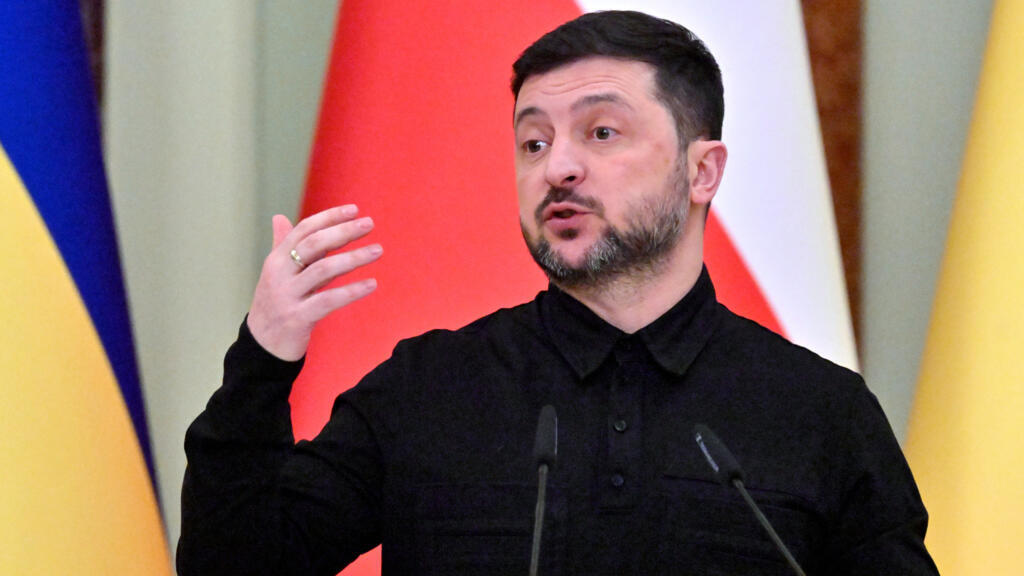
President Volodymyr Zelenskiy has indicated a conditional willingness to hold elections in Ukraine, a significant shift in stance that hinges entirely on the establishment of a ceasefire with Russia. This position was articulated during a discussion with a Latin American media collective, marking the first time Zelenskiy has publicly entertained the prospect of elections while the conflict persists. His remarks suggest a pathway, albeit a complex one, toward normalizing political processes in a nation grappling with ongoing hostilities.
The Ukrainian constitution, under martial law, currently prohibits the staging of elections. This legal framework has been a consistent barrier to any electoral considerations since Russia’s full-scale invasion in February 2022. Zelenskiy’s statements, however, introduce a crucial caveat: if a ceasefire were to be achieved, the legal and logistical landscape could be re-evaluated. Such a scenario would necessitate not only a cessation of hostilities but also a robust international monitoring presence to ensure the integrity and fairness of any electoral process.
A key challenge highlighted by Zelenskiy involves the participation of Ukrainian soldiers currently engaged in combat operations. He emphasized the importance of their right to vote, suggesting that mechanisms would need to be devised to facilitate their involvement, potentially through frontline polling stations or other secure methods. Furthermore, the issue of internally displaced persons and the millions of Ukrainians who have sought refuge abroad presents another layer of complexity. Ensuring their ability to cast ballots would require extensive planning and international cooperation, particularly given the scale of displacement.
The financial implications of holding elections during or immediately after a conflict also featured in Zelenskiy’s comments. He estimated the cost to be substantial, running into the billions of dollars. This figure underscores the immense logistical and economic burden that such an undertaking would place on Ukraine, a country already heavily reliant on international aid for its defense and recovery efforts. Zelenskiy suggested that international partners, particularly the United States and European Union, would likely need to contribute financially to support the democratic process.
International observers and analysts have long debated the feasibility and timing of Ukrainian elections. While many advocate for the restoration of democratic norms as soon as practicable, the practicalities of conducting free and fair elections in a war-torn country remain daunting. Zelenskiy’s latest pronouncements provide a clearer framework for these discussions, linking the political future directly to the cessation of military aggression. His openness to the idea, even with significant preconditions, signals a potential shift in strategy as Kyiv navigates its path forward.
The President also touched upon the necessity of legislative changes to accommodate elections under altered circumstances. Amending the constitution to permit voting during martial law, or establishing a clear pathway for its lifting, would be a prerequisite. This legislative hurdle, combined with the need for secure polling environments and widespread voter access, paints a picture of a complex transition that would require broad consensus both domestically and internationally. Zelenskiy’s careful framing of these conditions suggests a strategic approach to maintaining democratic legitimacy while prioritizing national security.