Staff Report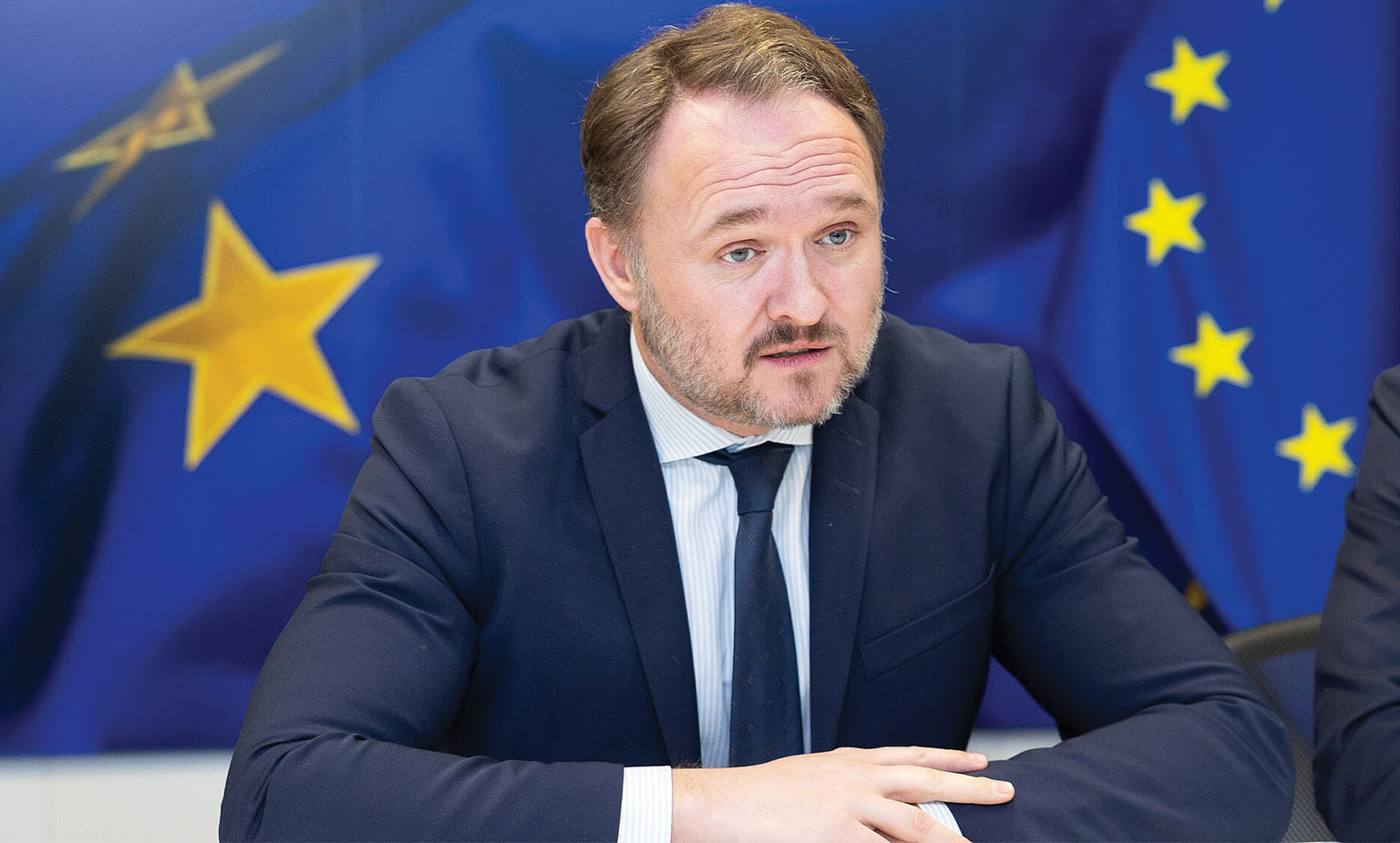
The European Union’s Commissioner for Energy has detailed the bloc’s strategy to fully phase out Russian gas imports, marking one of the most ambitious energy transitions in the EU’s modern history. Speaking after a series of high-level meetings with member states and industry leaders, the Commissioner emphasized that Europe’s shift away from Russian energy is not only a geopolitical necessity but also a cornerstone of the EU’s long-term climate and security goals.
The plan builds on the lessons of the energy crisis triggered by Russia’s invasion of Ukraine, which exposed the vulnerabilities created by Europe’s decades-long reliance on Russian pipeline gas. The new roadmap lays out the structural reforms, infrastructure investments, market adjustments, and diplomatic efforts required to achieve independence from Russian fossil fuels by 2027.
A Historic Pivot in Europe’s Energy Strategy
Once the EU’s largest supplier of natural gas, Russia accounted for roughly 40% of the bloc’s imports before 2022. Today, that figure has dropped dramatically as member states accelerate diversification efforts.
The Commissioner underscored that the phase-out is not a temporary crisis response but a “permanent structural shift” in European energy policy. The strategy aims to eliminate Russian gas from:
- Pipeline imports
- LNG purchases
- Industrial feedstocks
- Long-term supply contracts
According to EU officials, the transition represents both a challenge and an opportunity to build a more resilient and environmentally sustainable energy system.
Three Pillars of the Phase-Out Strategy
The EU’s roadmap focuses on a coordinated European approach built on three core pillars.
1. Diversification of Supply Sources
To replace Russian gas, the EU has expanded partnerships with a wide range of global suppliers, including:
- United States (LNG)
- Norway (pipeline gas)
- Qatar (LNG)
- Algeria and Azerbaijan
- Emerging suppliers across Africa and the Eastern Mediterranean
New LNG terminals, expanded pipeline networks, and strengthened interconnections between EU member states are central to this diversification effort.
The Commissioner noted that increased LNG flexibility gives Europe “strategic resilience we did not have before,” allowing the bloc to adjust supply routes based on market and geopolitical conditions.
2. Accelerating the Green Transition
Reducing gas dependency is closely tied to Europe’s decarbonization agenda. Key initiatives include:
- Rapid expansion of wind and solar capacity
- Investments in hydrogen production and storage
- Electrification of industry and transport
- Improved energy efficiency in buildings
- Grid modernization projects across the continent
The Commissioner highlighted that renewable energy is “not only a climate policy, but now also a security policy,” underscoring how clean energy reduces Europe’s exposure to external shocks.
3. Energy Demand Reduction and Efficiency
Lowering overall gas consumption is essential for meeting phase-out targets. Measures include:
- Industrial efficiency programs
- Heat pump incentives replacing gas boilers
- Building insulation upgrades
- Demand-response systems
- Strengthened energy-saving regulations for homes and businesses
The EU has already reduced gas consumption by more than 20% compared to pre-crisis levels—double the reduction originally expected.
Challenges Ahead: The Road to 2027
Despite major progress, the path to full independence from Russian gas remains complex.
Infrastructure Gaps
Some member states, particularly in Central and Eastern Europe, still rely heavily on older pipeline routes. New interconnectors and LNG terminals must be completed on schedule.
Financial Demands
The energy transition requires hundreds of billions in public and private investment. Securing funding remains a priority in upcoming EU budget negotiations.
Industrial Competitiveness
High energy prices have pressured European industries. The EU is working on support mechanisms to ensure the shift away from Russian gas does not undermine competitiveness.
Global Market Volatility
LNG markets remain highly sensitive to geopolitical events, including conflicts affecting the Middle East and global shipping routes.
The Commissioner acknowledged these challenges but argued they should “not deter Europe from completing the most important energy security project in its history.”
A Stronger, Safer, Greener Europe
Officials stress that the phase-out is about more than energy independence. It is a strategic transformation designed to:
- Strengthen EU security
- Build long-term price stability
- Reduce climate-related risks
- Modernize Europe’s energy infrastructure
- Support new industries in hydrogen, renewables, and clean technologies
The shift also aligns with Europe’s vision for a competitive, innovation-driven economy resilient to external pressure.
Conclusion: A Defining Moment for the EU’s Energy Future
The EU Commissioner for Energy’s detailed roadmap confirms that Europe is entering the final phase of its break with Russian gas—a move driven by geopolitical necessity, environmental responsibility, and economic strategy. While obstacles remain, the EU is positioning itself to emerge from the crisis stronger, more self-reliant, and better aligned with its long-term climate goals.
With 2027 set as the target year for complete disengagement from Russian gas, the coming months and years will be critical as member states finalize infrastructure upgrades, accelerate renewable deployment, and ensure that Europe’s energy markets remain stable during the transition.