Staff Report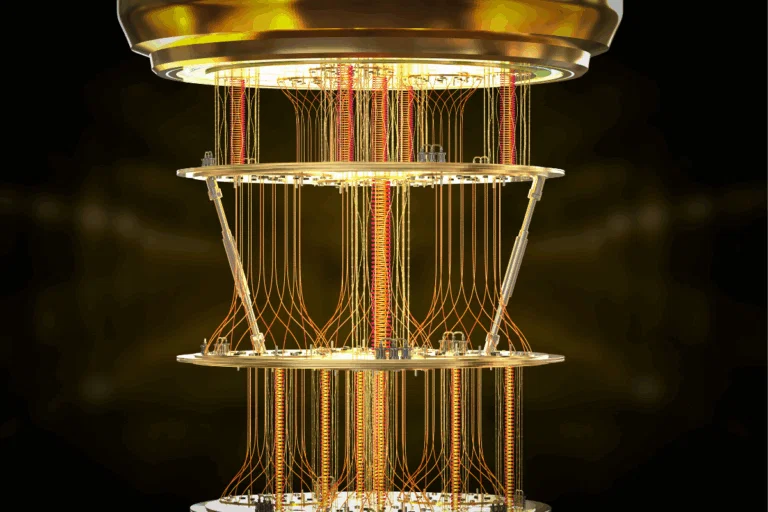
Barcelona’s Torre Girona chapel, a location steeped in the history of supercomputing, now houses Spain’s newest quantum supercomputer, an investment totaling 9.8 million euros. This latest addition marks the third quantum machine to be integrated into the Barcelona Supercomputing Center’s (BSC) MareNostrum 5 system, a powerful hybrid platform designed to blend classical supercomputing with artificial intelligence and quantum capabilities. The development underscores a broader European strategy to cultivate technological independence and reduce reliance on external providers for critical infrastructure.
This analogue quantum computer, a distinct technological approach compared to the two previously installed digital quantum machines, was conceived and constructed by Barcelona-based firm Qilimanjaro Quantum Tech. Funding for the project arrived through a joint effort by the European Commission and Spain’s Secretariat of State for Digitalisation and Artificial Intelligence, highlighting a collaborative push towards advanced computing within the continent. Unlike classical computers that process information in binary bits, either 0 or 1, quantum computers leverage qubits, which can simultaneously exist in multiple states. This fundamental difference allows for the development of algorithms with significantly greater power, capable of addressing complex problems that remain largely intractable for conventional computing systems.
The quantum component of MareNostrum 5, known as MareNostrum Ona, has already demonstrated its utility. Its initial two machines, activated in February 2025, have collectively logged 4,200 computing hours. This substantial computational time has been distributed across 53 research projects, each selected through competitive calls issued by the Spanish Supercomputing Network (RES). These figures offer a tangible measure of the system’s early impact on scientific inquiry and technological advancement within Spain and the wider European research community.
The integration of this new quantum computer into the broader European quantum computing network is a strategic move. This network, championed by the European High Performance Computing Joint Undertaking (EuroHPC JU), aims to consolidate and expand Europe’s supercomputing prowess, fostering the development of a proprietary technological ecosystem. EuroHPC JU has, to date, facilitated the acquisition of six quantum computers, strategically placed across various European nations. Three of these, located in Poland, the Czech Republic, and Germany, are already operational, forming foundational nodes in an interconnected system poised to support scientific research and technological innovation across the continent.
Núria Montserrat, the Catalan government’s Minister for Research and Universities, articulated the project’s broader implications, emphasizing its contribution to European technological sovereignty. She noted that initiatives like this, driven by domestically developed technologies and supported by national and European public policies, are crucial for fostering strategic autonomy. This perspective aligns with the European Commission’s overarching goal of lessening dependence on third countries for essential technological infrastructure, particularly in areas as critical as advanced computing. The unveiling of this third quantum supercomputer therefore represents more than just a technological milestone for Spain; it signifies another deliberate step in Europe’s concerted effort to establish and maintain its leadership in the global technological landscape.