Staff Report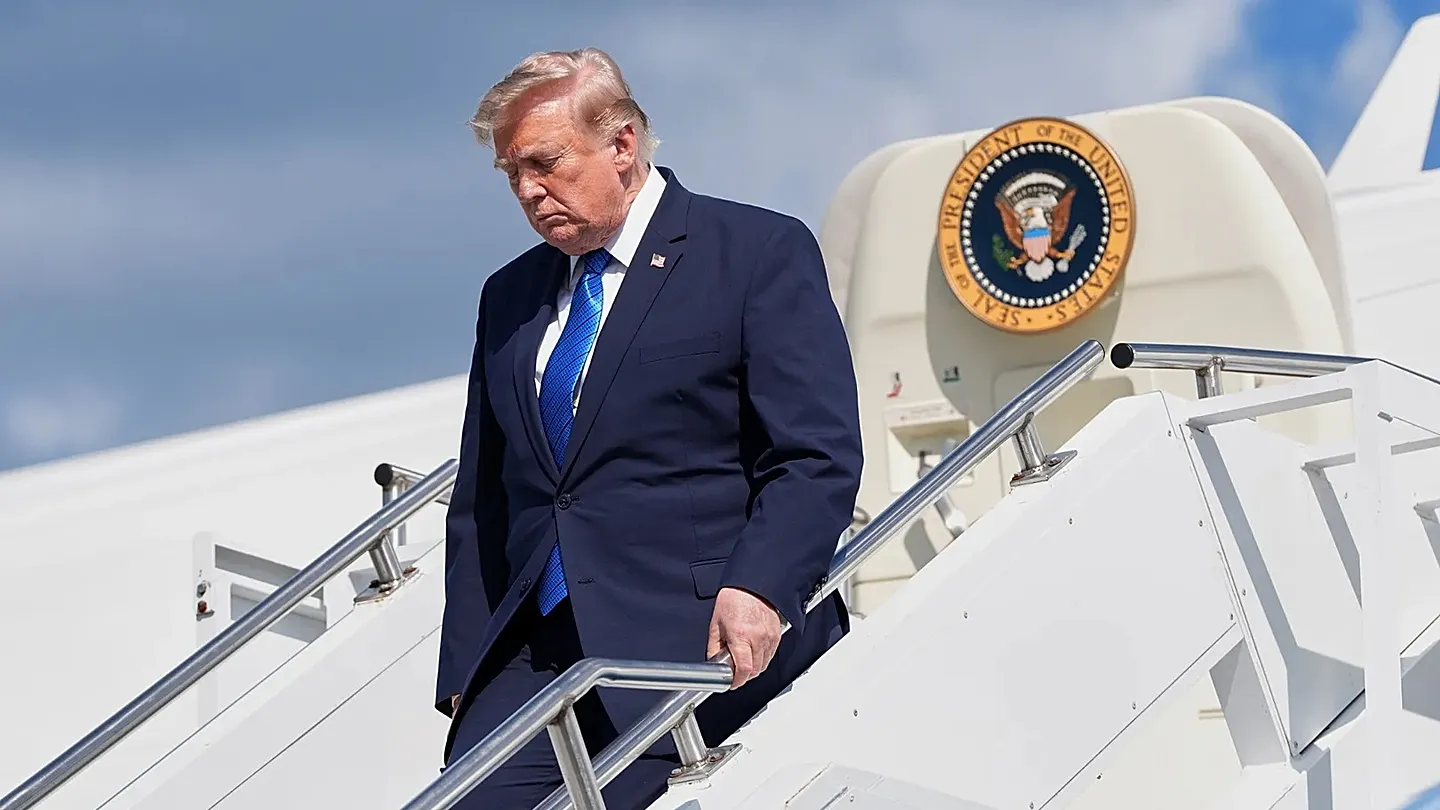
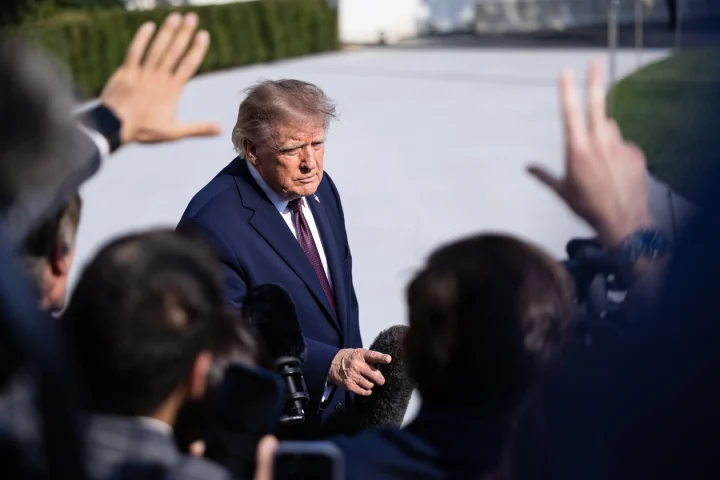
President Donald Trump announced a pause in planned military action against Iran, citing that “perimeters of a deal” had been agreed upon after requests from Tehran and several undisclosed Middle Eastern nations. This development marks a sudden shift in rhetoric, particularly given Trump’s declaration just a day prior that he was “losing faith” in a peace deal and might strike Iran “very hard.” The proposed agreement, as outlined by Trump on Truth Social, would involve the “Immediate, Complete, and Total OPENING OF THE HORMUZ STRAIT, and an end to Iran’s nuclear threat.” He further stipulated that the cancellation of strikes was contingent on a deal being “rapidly” finalized, while also issuing a warning that U.S. forces remained “locked and loaded and ready to go.”
Trump underscored the global implications of such an agreement, stating, “I have agreed, for the future benefit of the WORLD and, likewise, the survival of a successful and prosperous Iran, to cancel the attack, subject to being able to rapidly make a DEAL.” He also noted that “The Country of Israel joins me in this commitment.” However, this narrative was swiftly challenged by Iran. The semi-official Mehr news agency quoted unnamed Iranian military officials who dismissed Trump’s claim that Tehran had sought a halt to the attack, labeling it a “new lie” intended to “blackmail Persian Gulf rulers.” These officials asserted that Iranian forces were maintaining “the highest level of readiness” and warned that “If a confrontation becomes inevitable, the battlefield will be decisive.”
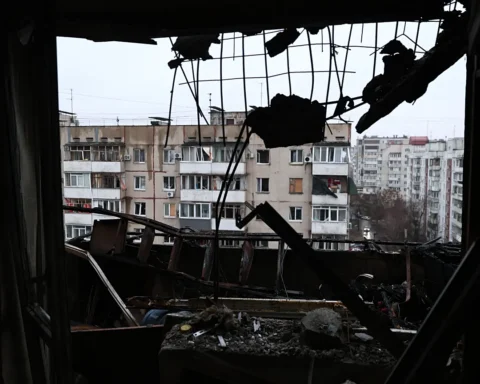
The immediate backdrop to these events included heightened alerts from the U.S. State Department, which had advised Americans in the Middle East to exercise caution due to potential escalation. The advisory highlighted the possibility of flight cancellations, periodic airspace closures, and general travel disruptions across the region. This caution reflected the ongoing tensions that have characterized U.S.-Iran relations since late February. That period saw the U.S. and Israel conduct a series of strikes on Iran, leading to Iran’s effective closure of the Strait of Hormuz, a critical maritime chokepoint responsible for approximately a quarter of global seaborne oil trade.
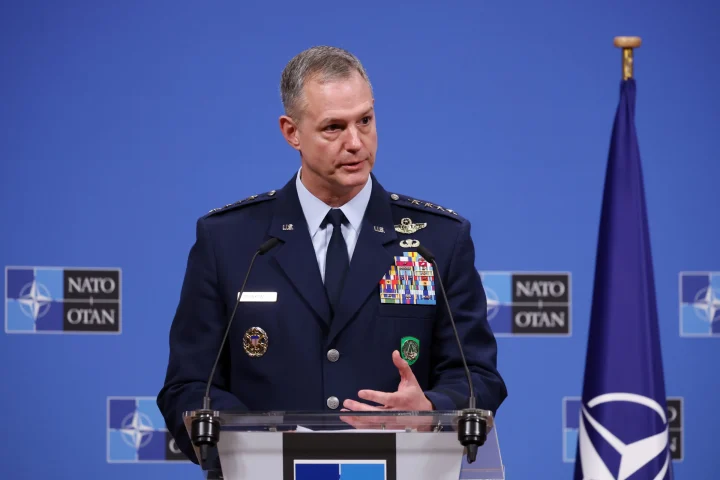
Following a brief lull, hostilities reignited earlier this week when Tehran launched ballistic missiles against U.S. forces stationed in the Middle East. Washington retaliated by targeting what U.S. Central Command identified as dozens of Iranian Revolutionary Guard Corps (IRGC) locations within Iran, including facilities for missiles and drones, as well as military command centers. These strikes, according to U.S. Central Command, were aimed at “further diminish[ing] threats posed by Iran and its proxies to American forces, commercial shipping, and neighboring Gulf countries.”
The notion of a potential peace deal is not entirely new. Back in June, both nations appeared to make headway with the signing of a “memorandum of understanding.” This provisional agreement laid out conditions for an end to hostilities, including the removal of the U.S. naval blockade of Iran and Tehran’s commitment to reopen the Strait of Hormuz and reaffirm its pledge “not [to] procure or develop nuclear weapons.” The memorandum set a 60-day timeframe for Washington and Tehran to finalize a comprehensive deal. Yet, the recent resumption of strikes and the conflicting statements regarding the cancellation of attacks cast a long shadow over the prospects of fully implementing that earlier understanding. The situation remains fluid, with both sides maintaining high alert while publicly debating the path forward.