Staff Report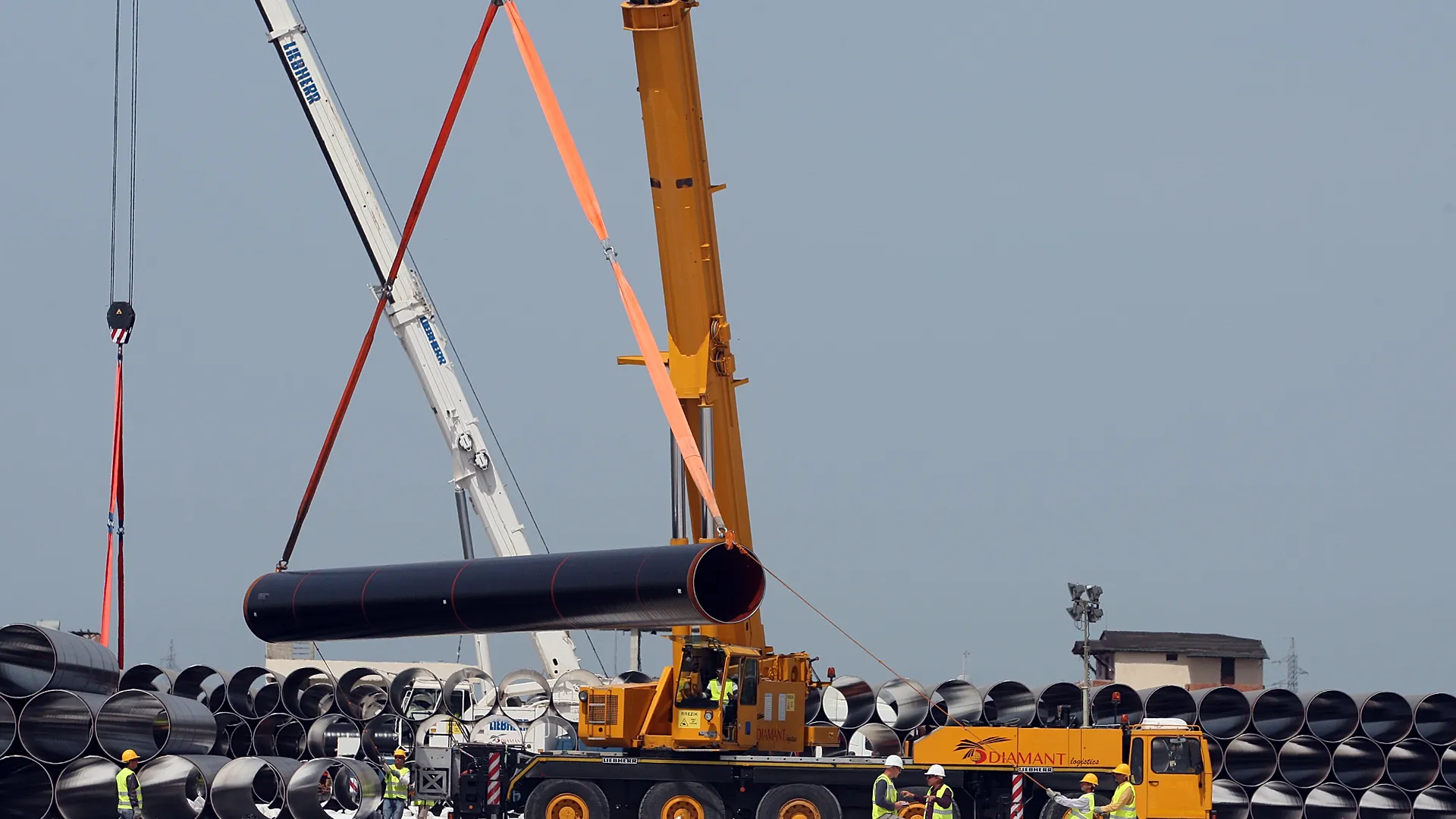
Azerbaijan has solidified its position as a significant energy provider to Europe, recently announcing two new agreements that will see natural gas flowing to Austria and Germany. These deals underscore a broader strategy to expand the country’s reach within the European energy market, adding two major economies to its growing list of recipients. The deliveries largely leverage the existing infrastructure of the Southern Gas Corridor, specifically its European segment, the Trans-Adriatic Pipeline (TAP), which traverses Greece, Albania, and Italy, forming a critical artery for Azerbaijani gas into continental markets.
The expansion places Azerbaijan among the top seven natural gas suppliers to Europe, a group that includes established players such as Norway, the United States, Algeria, Russia, the United Kingdom, and Qatar. This upward movement reflects a concerted effort by Baku to diversify its export destinations and capitalize on Europe’s ongoing search for alternative energy sources. President Ilham Aliyev confirmed on January 5 that the nation currently supplies gas to 14 European countries, with plans to extend this to 16 by 2026, indicating a continued trajectory of growth in its energy diplomacy.
The inclusion of Germany as a long-term customer represents a particularly notable development. Orkhan Yolchuyev, co-founder and director of the Baku-based STEM Analytical Center, highlighted the significance of this agreement, noting that Germany has historically shied away from long-term gas contracts exceeding one year. The decision to enter into a 10-year supply agreement with Azerbaijan, therefore, marks a distinct shift in German energy procurement strategy. Yolchuyev emphasized that such agreements not only enhance Azerbaijan’s strategic standing but also contribute to the diversification of Europe’s overall gas supply landscape.
This strategic pivot by European nations is not merely about securing immediate energy needs; it also reflects a longer-term reassessment of supply chain resilience. As Europe continues to recalibrate its energy portfolio, Azerbaijan’s expanding network is poised to play an increasingly central role. Experts suggest that this growing influence could reshape regional energy dynamics, introducing new pathways for gas flows across Southern and Central Europe and bolstering overall supply security. The underlying strategy for Azerbaijan, as articulated by Yolchuyev, involves deepening cooperation with European markets while simultaneously reducing reliance on a limited number of traditional buyers.
Beyond the immediate energy implications, the strengthening partnership between Azerbaijan and the European Union extends into broader economic and political spheres. The increasing volume of energy trade often acts as a catalyst for greater investment and long-term cooperation across various sectors. This symbiotic relationship suggests that the energy deals are not isolated transactions but rather foundational elements in a more comprehensive framework of engagement, promising to foster deeper ties and mutual benefits for both Azerbaijan and its European partners in the years to come.