Staff Report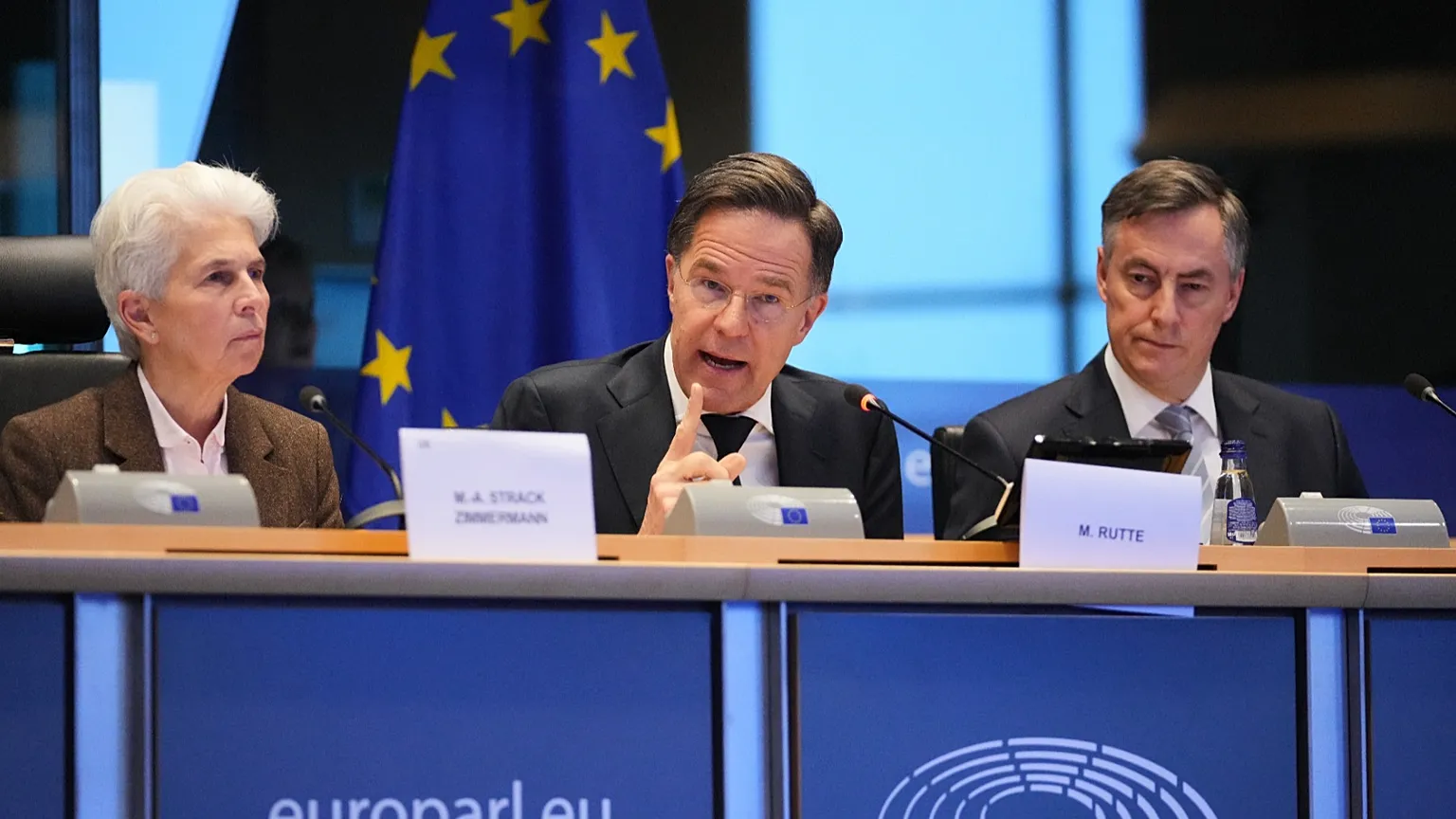
The assertion that Europe remains fundamentally reliant on the United States for its defense capabilities, a sentiment recently voiced by NATO Secretary General Mark Rutte, has ignited a sharp debate across the continent. These remarks, delivered during a parliamentary session, directly challenged the prevailing narrative of increasing European self-sufficiency, suggesting a stark reality that some European officials were quick to contest. Rutte’s blunt assessment, “if anyone thinks … Europe can defend itself without the US, keep on dreaming. You can’t. We can’t. We need each other,” arrived at a particularly sensitive moment in transatlantic relations, following prior concerns about the potential erosion of NATO’s collective security guarantees.
This frank evaluation comes amid ongoing efforts by European nations to bolster their defense budgets and enhance their military readiness. Critics of Rutte’s stance, including Garvan Walsh of the Martens Centre think tank, argued that such statements could inadvertently empower figures like Donald Trump, potentially inviting further demands from NATO allies. French MEP Nathalie Loiseau, from Renew Europe, went further, accusing Rutte of “unnecessary provocation” and prioritizing American approval. Loiseau highlighted Ukraine’s current defense efforts without direct US financial aid as evidence of Europe’s potential for independent action, citing the “coalition of the willing” as the primary source of assistance. Camille Grand, a former NATO Assistant Secretary General for Defense Investment, echoed this sentiment, suggesting that Europe possesses the necessary technical, industrial, and military capabilities to eventually achieve greater autonomy.
Yet, a different perspective emerges from Washington. US officials and former diplomats largely concur with Rutte’s assessment, albeit acknowledging its immediate impact on European sensibilities. A US source familiar with NATO capabilities underscored that acquiring robust defense infrastructure is a protracted process for Europe. The critical question, according to this official, centers on Europe’s ability to deter potential aggressors like Russia without American involvement. Deterrence, they noted, encompasses psychological, nuclear, and conventional defense elements, and it remains uncertain whether Europe can project sufficient power to prevent actions such as an invasion of Moldova or a challenge to Article 5.
Kurt Volker, who served as US Ambassador to NATO under George W. Bush and later as US Special Representative for Ukraine Negotiations during the first Trump administration, offered a similar viewpoint. While recognizing the “regrettable” backlash Rutte faced, Volker affirmed the core truth of the Secretary General’s remarks. He emphasized Europe’s deep reliance on US intelligence sharing, arguing that without developing its own comprehensive intelligence infrastructure, European nations cannot independently secure themselves. Volker’s perspective aligns with the current shift in US policy regarding Ukraine, where direct weapons donations have ceased, replaced by a mechanism facilitating European purchases of American armaments through NATO’s Prioritised Ukraine Requirements List. Despite this change, the US continues to provide targeted intelligence to Ukraine, a crucial advantage in the ongoing conflict.
The divergent reactions underscore a fundamental tension within the transatlantic alliance: the aspiration for European strategic autonomy versus the enduring practicalities of US military and intelligence superiority. While European leaders strive to demonstrate their commitment to a stronger collective defense, figures like Rutte and Volker highlight the significant gap that still needs to be bridged before Europe can genuinely stand alone. The debate is less about willingness and more about immediate capability, especially in the face of evolving geopolitical threats. Rutte’s warning against “dangerous fantasies” about self-sufficiency, while perhaps delivered with a bluntness that ruffled feathers, serves as a stark reminder of the complex realities underpinning European security.