Staff Report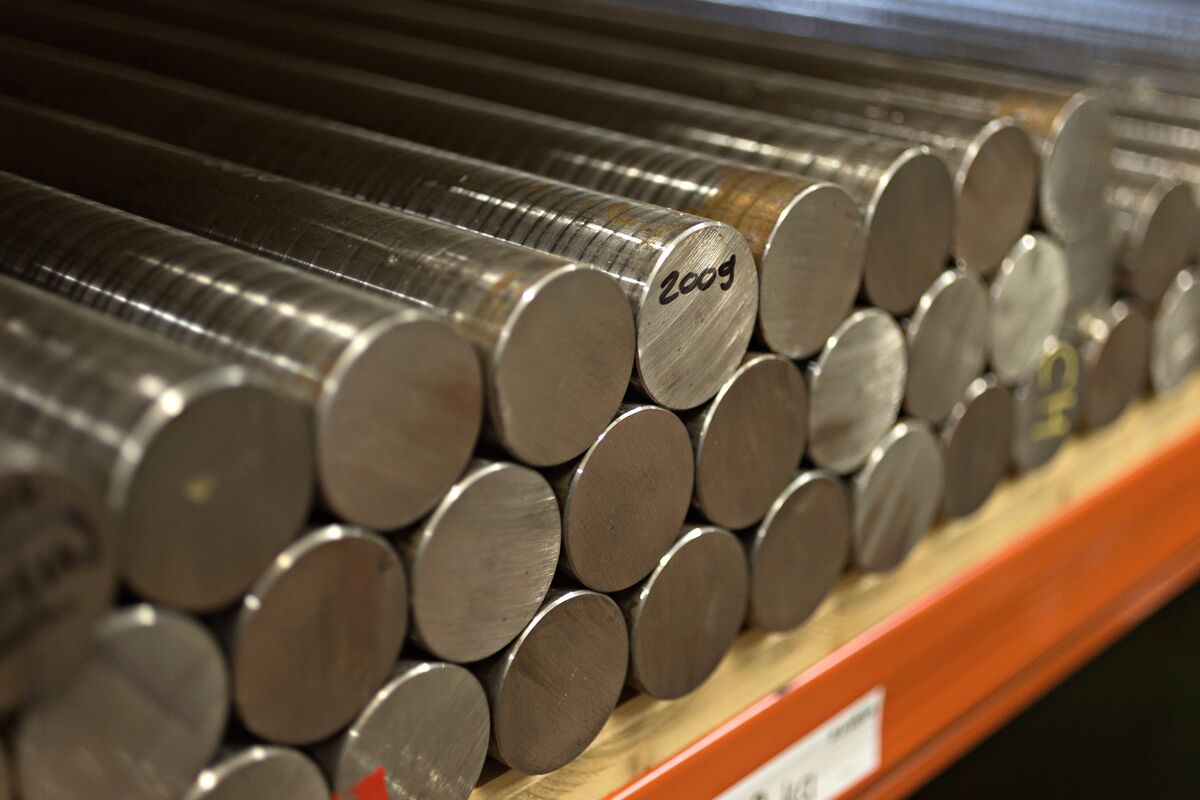
Bern has initiated discussions with Brussels, aiming to secure an exemption from the European Union’s carbon border adjustment mechanism (CBAM) as it applies to steel imports. This move comes amid growing concerns within Swiss industrial sectors regarding the potential impact of the new EU regulation, which is designed to level the playing field for European companies facing less stringent carbon pricing elsewhere. The Swiss government’s appeal underscores the delicate balance of trade relations between the landlocked nation and its largest trading partner, the EU.
The CBAM, set to fully take effect in 2026 after a transitional reporting period, will impose a levy on certain carbon-intensive goods imported into the EU, including steel, cement, fertilizers, aluminum, and electricity. Its stated purpose is to prevent “carbon leakage,” where companies might relocate production to countries with weaker climate policies to avoid carbon costs within the EU. For Switzerland, a country already deeply integrated into the European economic sphere, the implications for its steel industry are significant, prompting the current diplomatic offensive.
Swiss officials argue that their domestic carbon pricing mechanisms and climate policies are sufficiently robust to align with, or even surpass, the environmental ambitions of the EU. They contend that applying CBAM to Swiss steel would be redundant and could place an unfair burden on Swiss producers, potentially disrupting established supply chains. The core of their argument rests on the principle that if Switzerland’s carbon pricing is comparable to the EU’s Emissions Trading System (ETS), then its exports should not be subject to additional tariffs.
Negotiations are reportedly complex, touching upon broader aspects of the bilateral relationship between Switzerland and the EU, which has been strained in recent years over institutional framework agreements. Successfully navigating this particular issue could set a precedent for other sectors and potentially influence future discussions on economic cooperation. The Swiss government is reportedly engaging at various levels, from technical committees to high-level political dialogues, to make its case for a specific carve-out.
The outcome of these discussions holds considerable weight for Swiss steel manufacturers, who rely heavily on access to the EU market. Should an exemption not be granted, these companies would face increased administrative burdens and potentially higher costs, which could affect their competitiveness. Conversely, if Brussels agrees to a waiver, it would signal a recognition of Switzerland’s climate efforts and offer a degree of relief to an industry already navigating global economic headwinds. The coming months will reveal whether Bern’s diplomatic efforts can forge a path around these impending trade barriers.