Staff Report
The long-standing tension along the Durand Line has reached a critical boiling point as cross-border skirmishes between Pakistani security forces and Afghan Taliban fighters escalate into a humanitarian crisis. What began as localized disputes over tactical outposts and border fencing has rapidly transformed into a recurring exchange of heavy artillery and small-arms fire, leaving the civilian population trapped in a volatile landscape of uncertainty.
For decades, the communities living along the porous 1,600-mile border have shared deep tribal, familial, and economic ties. However, these bonds are being tested by a surge in military activity that shows no signs of abating. In recent weeks, the frequency of these engagements has increased, with both sides trading blame for the provocations. While the diplomatic rhetoric remains icy, the physical reality on the ground is far more devastating for the thousands of villagers who call this rugged terrain home.
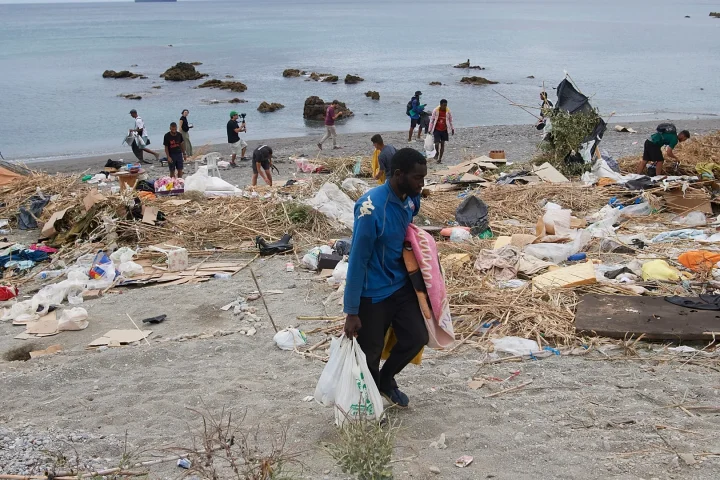
Reports from the region indicate that residential areas are increasingly becoming the backdrop for these military confrontations. Mortar shells and stray bullets have struck homes, schools, and markets, forcing families to make the agonizing decision to flee their ancestral lands. Displaced residents describe a harrowing environment where the sound of gunfire has become a constant companion. Many have sought refuge in makeshift camps or with relatives in safer districts, leaving behind their livestock and crops, which serve as their only means of survival.
Economic activity, the lifeblood of this underdeveloped region, has also ground to a halt. The frequent closure of key border crossings, such as Torkham and Chaman, has stranded thousands of commercial trucks carrying perishable goods. These blockages not only impact large-scale trade between the two nations but also devastate local vendors who rely on daily cross-border movement to earn a living. The resulting inflation and scarcity of essential supplies have added another layer of hardship to an already impoverished population.
At the heart of the conflict is a fundamental disagreement over the legitimacy of the border itself and the management of security threats. Pakistani officials have repeatedly raised concerns regarding the use of Afghan soil by militant groups to launch attacks inside Pakistan. They argue that strict border controls and fencing are essential for national security. Conversely, the Taliban administration in Kabul has consistently challenged the colonial-era demarcation and viewed the construction of physical barriers as an infringement on the rights of the Pashtun tribes residing on both sides.
International observers warn that the continued instability poses a significant risk to regional peace. As the two neighbors remain locked in a cycle of retaliation, the vacuum of authority in contested zones provides fertile ground for extremist elements to expand their influence. Humanitarian organizations are struggling to provide aid to the affected populations, often hampered by the dangerous security situation and restricted access to the most volatile areas.
Despite several attempts at high-level military and diplomatic dialogue, a sustainable resolution remains elusive. Each temporary ceasefire appears to be followed by another round of violence, undermining the trust necessary for a long-term settlement. The international community has called for restraint, urging both Islamabad and Kabul to prioritize the safety of non-combatants and seek a diplomatic path forward that addresses the underlying security and territorial grievances.
As winter approaches, the plight of the displaced becomes even more urgent. Without a significant shift in policy or a successful mediation effort, the families caught in the crossfire face a bleak future. The resilience of the border communities is being pushed to its breaking point, and the cost of this geopolitical friction is being paid in civilian lives and shattered livelihoods. The situation demands a renewed focus on humanitarian protections to ensure that the people living along this contested frontier are no longer the primary victims of a conflict they did not create.