Staff Report
The geopolitical landscape of Europe is undergoing a profound transformation as the conflict in Ukraine enters a protracted and grueling phase. For policymakers in Brussels and national capitals across the continent, the central challenge has shifted from immediate crisis management to the complex task of defining what a sustainable peace might actually look like. Recent data and public sentiment indicators suggest a nuanced shift in how European populations view the endgame of the largest land war in Europe since the mid-twentieth century.
While early stages of the conflict were characterized by a near-unanimous surge in support for total military victory, the current mood is increasingly defined by pragmatic realism. This does not imply a withdrawal of support for Kyiv; rather, it reflects a growing desire for a structured diplomatic framework that prevents the war from becoming a permanent fixture of the European landscape. Citizens are increasingly weighing the necessity of territorial integrity against the mounting economic pressures and the looming threat of regional instability.
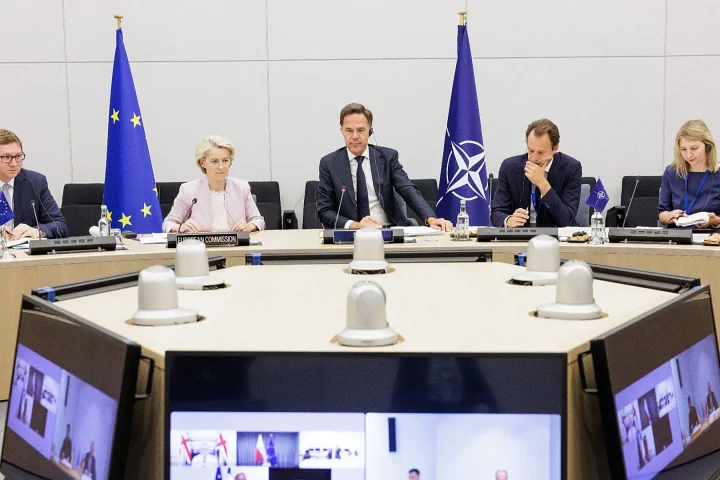
In Western European nations like Germany and France, public discourse is heavily focused on the long-term security architecture of the continent. There is a palpable concern that a frozen conflict could drain resources and leave Europe vulnerable to future shocks. Consequently, many voters are advocating for a dual-track approach that maintains robust military aid while simultaneously opening back-channel communications. The goal is to ensure that when the time for negotiation arrives, Europe is not merely a bystander but a primary architect of the new peace.
Conversely, in Eastern Europe and the Baltic states, the perspective remains significantly more focused on decisive outcomes. For these nations, the war is an existential threat that can only be resolved through a clear restoration of sovereignty. The historical memory of Soviet influence remains a potent driver of public opinion, leading to a consensus that any concession to Moscow would merely invite future aggression. This internal divergence within the European Union presents a significant hurdle for leaders trying to maintain a unified front.
Economic factors are also playing a pivotal role in shaping public desire. The cost of living crisis, driven by energy fluctuations and supply chain disruptions, has forced a segment of the population to prioritize domestic stability. While sympathy for the Ukrainian cause remains high, there is an increasing demand for a clear roadmap toward resolution. People want to know that their sacrifices are leading toward a definitive conclusion rather than an indefinite stalemate.
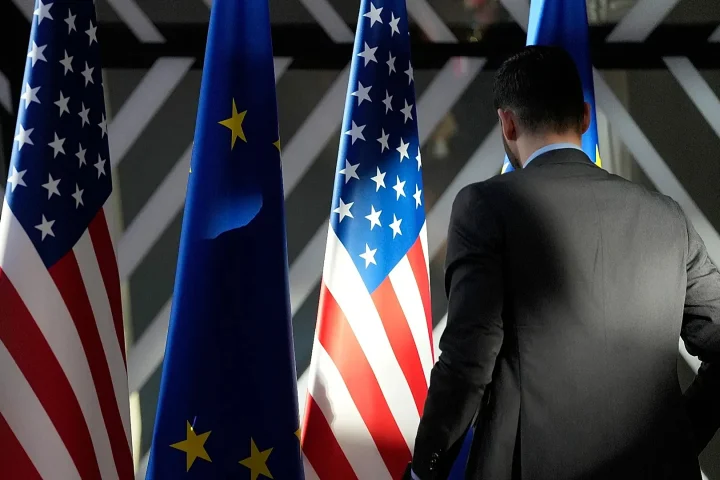
Furthermore, the role of the United States remains a critical variable in the European calculus. With shifting political tides in Washington, European citizens are becoming more vocal about the need for European strategic autonomy. There is a rising sentiment that Europe must be capable of securing its own borders and managing its own diplomatic crises without over-reliance on transatlantic partners. This push for independence is directly influencing how people envision the war’s conclusion, with a preference for a solution that strengthens the European Union as a global actor.
Ultimately, the desire of the European public is not for a simple cessation of hostilities, but for a durable and just peace that reinforces international law. The complexity of the situation suggests that the road to resolution will not be found in a single treaty or battlefield victory, but in a series of careful diplomatic maneuvers and sustained international cooperation. As the conflict continues, the pressure on European leaders to deliver a coherent exit strategy will only intensify, requiring a delicate balance between military resolve and the inevitable necessity of the negotiating table.