Staff Report
The geopolitical landscape of the South Caucasus is shifting rapidly as a significant influx of Iranian citizens crosses the northern border into Azerbaijan. What began as a trickle of movement has transformed into a steady stream of families and individuals seeking refuge from the intensifying regional hostilities. Local authorities in Baku are now grappling with the logistical and political implications of this sudden demographic shift, which threatens to strain the already delicate relationship between the two neighboring nations.
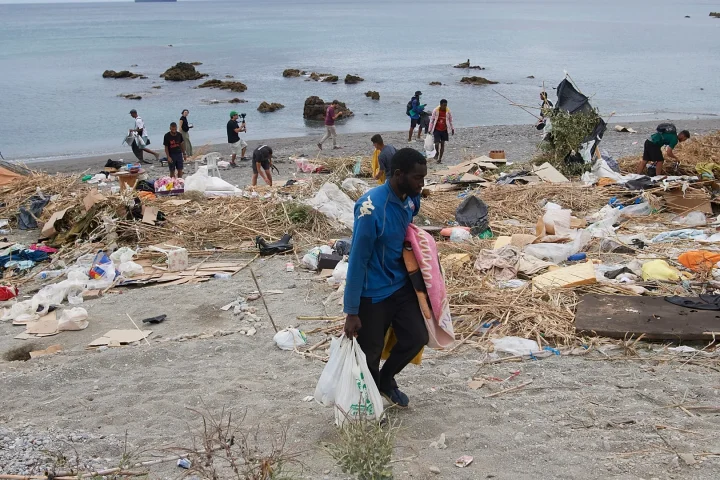
Eyewitness accounts from the border regions describe a scene of urgency and exhaustion. Men, women, and children are arriving with only what they can carry, citing the increasing frequency of military activity and the breakdown of local infrastructure as their primary reasons for departure. While the Iranian government has officially attempted to downplay the internal instability, the physical presence of hundreds of displaced persons tells a different story. These individuals are not just fleeing the immediate threat of violence but are also escaping the crippling economic consequences that follow a nation on the brink of prolonged engagement.
Azerbaijan finds itself in a precarious position. For years, the government in Baku has maintained a complex balancing act, navigating its ties with Western powers while managing its proximity to Tehran. The arrival of these displaced groups forces the Azerbaijani leadership to prioritize humanitarian concerns without appearing to take an overt political stance that could provoke its southern neighbor. Temporary housing facilities are being established in border towns, but officials warn that a continued surge will require international assistance and a more robust long-term strategy.
Economic analysts suggest that this movement is a bellicose indicator of the deepening crisis within Iran. When middle-class families and skilled workers begin to abandon their homes in large numbers, it signals a loss of confidence in the state’s ability to provide security and basic services. The migration pattern also highlights the historical and cultural ties between the people of Azerbaijan and the significant ethnic Azeri population in northern Iran. This shared heritage makes Azerbaijan a logical destination for those seeking safety, but it also adds a layer of sensitivity to the diplomatic dialogue.
Security experts are closely monitoring the situation to ensure that the humanitarian corridor remains orderly. There are concerns that the movement of people could be exploited by various factions to transport illicit goods or influence across the border. Consequently, border security has been tightened, even as aid workers distribute food and medical supplies to those arriving. The challenge for Baku is to remain compassionate to the plight of the displaced while maintaining the integrity of its national borders and internal stability.
As the conflict shows no immediate signs of abating, the international community is beginning to take notice. Human rights organizations are calling for a coordinated response to ensure that the rights of those fleeing are protected under international law. There is a growing consensus that without a diplomatic breakthrough to de-escalate the tensions within Iran, the number of people seeking asylum in Azerbaijan could rise from hundreds to thousands in the coming months.
For now, the focus remains on the immediate needs of those who have managed to cross. Their stories of survival provide a window into the human cost of a conflict that is reshaping the modern Middle East and Caucasus. As the sun sets over the border checkpoints, the flickering lights of makeshift camps serve as a somber reminder of the volatility currently gripping the region and the uncertain future facing those caught in its wake.