Staff Report
The Spanish Congress of Deputies has opted to maintain its current legislative schedule, effectively blocking an immediate floor debate regarding the potential economic impact of a second Donald Trump presidency. This decision comes at a time of heightened anxiety across the European Union as the former American leader intensifies his rhetoric surrounding protectionist trade policies and universal baseline tariffs. While several political factions argued that the gravity of these threats required an emergency session, the governing majority and its partners determined that existing diplomatic channels are sufficient for the time being.
At the heart of the controversy are the specific warnings issued by the Republican frontrunner concerning European exports. During his previous tenure, the Spanish agricultural sector suffered significantly under administrative duties placed on products such as black olives, wine, and olive oil. Recent campaign statements suggest that a return to the White House would herald even more aggressive measures, potentially including a ten percent tariff on all imports into the United States. For a country like Spain, which relies heavily on its transatlantic export market for economic stability, such a shift could result in billions of euros in lost revenue and thousands of agricultural job losses.
Opposition leaders have criticized the refusal to hold a debate, labeling it a missed opportunity to form a unified national strategy. They argue that Spain cannot afford to be reactive in a geopolitical landscape that is increasingly hostile to traditional free trade. By failing to address the issue in the Parliament session, critics suggest the government is underestimating the speed at which global trade dynamics could shift following the upcoming U.S. elections. The move to block the debate was seen by some as an attempt to avoid a messy political spectacle that could complicate delicate diplomatic balancing acts currently underway in Brussels.
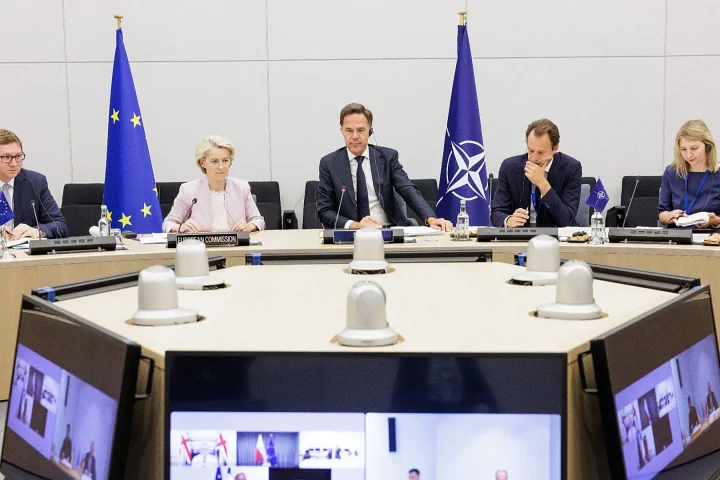
Despite the silence in the legislative chamber, the Spanish Ministry of Economy is reportedly conducting its own internal assessments of the risks. Officials within the administration have noted that while the rhetoric from across the Atlantic is concerning, the most effective response is one coordinated through the European Commission rather than through unilateral parliamentary declarations. This European-first approach seeks to leverage the collective bargaining power of the entire bloc, which remains the only viable way to counter the weight of the American economy in a trade dispute.
Industry leaders in the Spanish olive oil and automotive sectors have expressed disappointment at the lack of formal political discussion. Organizations representing exporters have spent months lobbying for a clear roadmap that would protect Spanish interests if the United States pivots toward isolationism. These stakeholders fear that without a clear legislative mandate, Spanish businesses will be left to navigate a trade war without the full backing of their government. The memory of the 2018 tariff escalations remains fresh, and many in the private sector believe that early preparation is the only way to mitigate a repeat of that economic downturn.
As the American election cycle enters its most volatile phase, the refusal to debate these threats highlights a broader tension within European politics. There is a fundamental disagreement over whether to engage with the possibility of a Trump victory publicly or to maintain a quiet, business-as-usual stance to avoid provoking further hostility. For now, the Spanish Parliament has chosen the path of caution, leaving the task of preparing for a potential trade storm to the technocrats and diplomats behind closed doors. Whether this strategy of silence will protect Spain’s economic interests or leave them vulnerable remains a subject of intense speculation among the nation’s economic analysts.