Staff Report
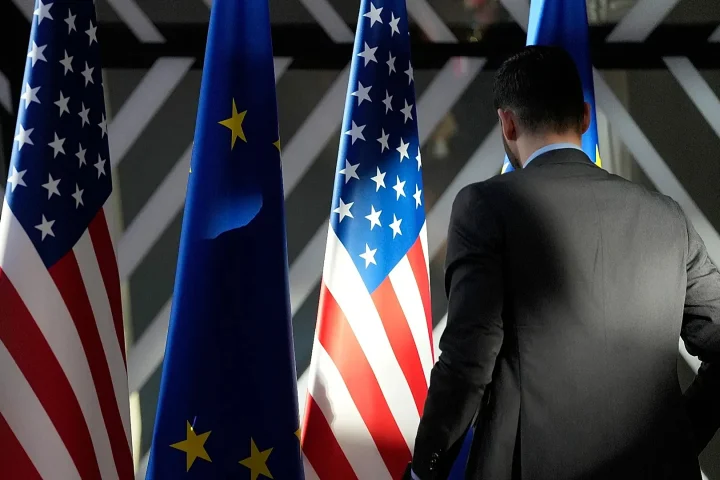
The long-standing alliance between the United States and Europe, a cornerstone of global stability for decades, is facing an unprecedented test. The escalating conflicts and humanitarian crises unfolding across the Middle East are not only straining diplomatic ties but are also revealing divergent approaches to foreign policy that are increasingly impacting each other. From the war in Ukraine, which continues to cast a long shadow, to the complex and volatile situation in Gaza, transatlantic partners find themselves navigating a treacherous landscape, often with differing compasses.
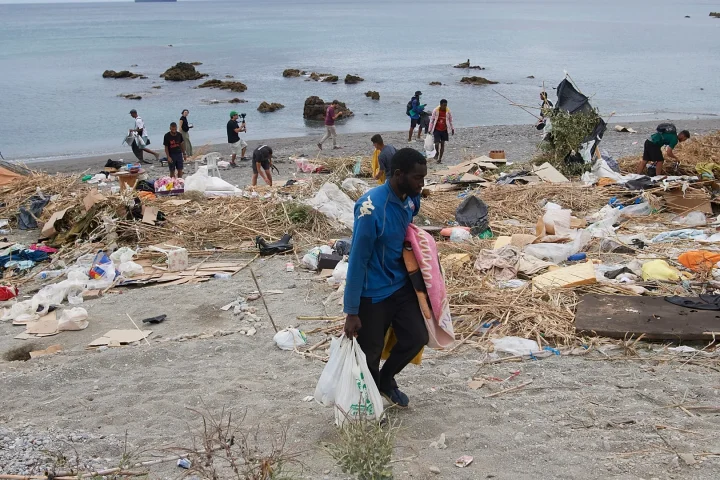
The immediate fallout from the Hamas attacks on Israel and the subsequent Israeli military response in Gaza has starkly illuminated these differences. While both Washington and European capitals have expressed deep concern for civilian casualties and called for humanitarian aid, the nuances in their public statements and policy actions have not gone unnoticed. The United States, with its deeply ingrained security relationship with Israel, has largely maintained a steadfast commitment to its defense, even as it has urged restraint and pushed for a two-state solution. European nations, while also condemning Hamas and supporting Israel’s right to self-defense, have often adopted a more critical tone regarding the scale of the destruction and the mounting Palestinian death toll. This divergence in public messaging, amplified by domestic political pressures within individual European countries with significant Muslim populations, has created a subtle but palpable friction. European leaders, in particular, feel the weight of a growing public outcry against what is perceived as an overly one-sided U.S. stance, leading to calls for greater European autonomy in foreign policy decision-making.
Furthermore, the economic repercussions of these Middle Eastern conflicts are rippling across the Atlantic, creating a feedback loop of policy adjustments. The disruption to global energy markets, exacerbated by instability in the Persian Gulf and the ongoing sanctions regime against Russia, has hit European economies particularly hard. While the U.S. has stepped up its own energy production and exports, the immediate relief for Europe has been less pronounced, leading to renewed debates about energy security and the pace of the green transition. European nations are increasingly looking to diversify their energy sources beyond traditional partners, a move that, while strategically sound, also creates new economic dependencies and potential geopolitical vulnerabilities. This reliance on different energy pathways can, in turn, influence their diplomatic leverage and their willingness to align with U.S. policy objectives in regions where energy security is paramount.
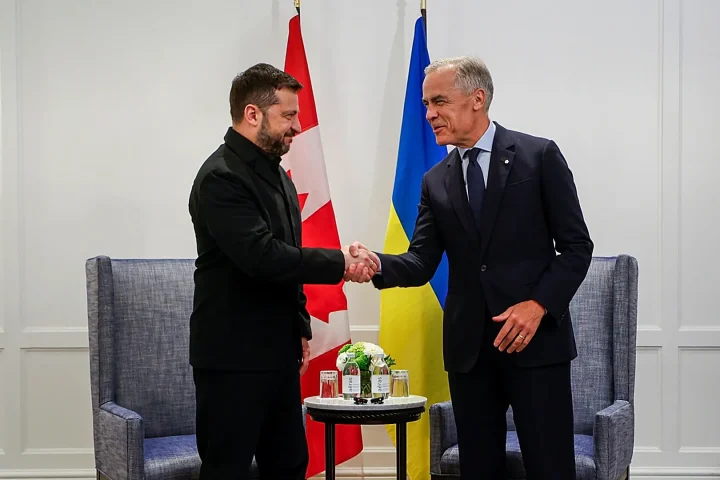
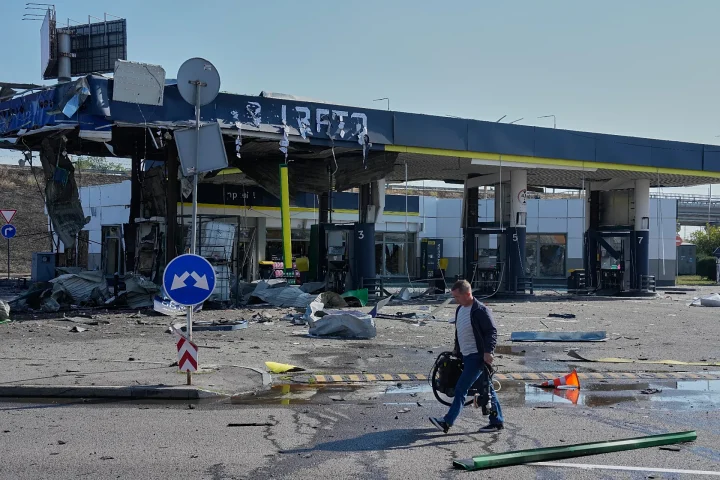
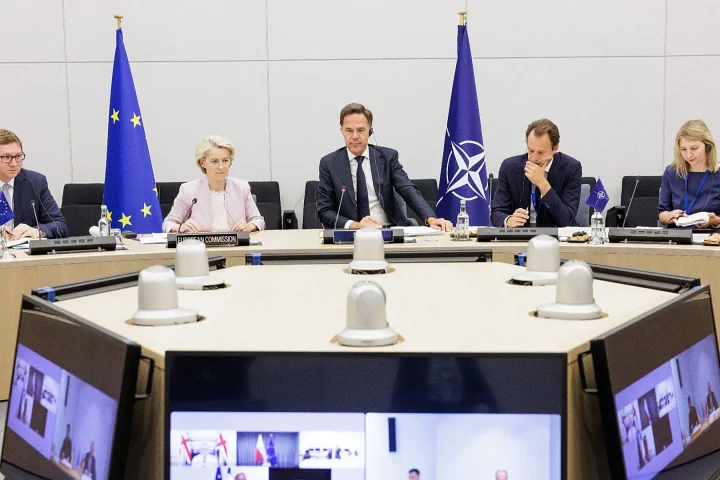
The ongoing war in Ukraine continues to be a significant, albeit more established, point of contention and cooperation. While European nations have borne the brunt of the refugee crisis and the direct economic consequences of sanctions against Russia, the U.S. has played a crucial role in providing military and financial aid. However, the sustainability of this support, particularly in the face of domestic political shifts in both the U.S. and Europe, remains a persistent concern. European leaders are acutely aware of the need for a unified front with Washington on Ukraine, yet they also grapple with the economic strain and the long-term implications for their own security architecture. This has led to a quiet but persistent push within some European capitals for a more robust European defense capability, independent of, though in coordination with, American leadership. The fear is that a wavering U.S. commitment, whether due to internal politics or a recalibration of global priorities, could leave Europe exposed.
Ultimately, the current geopolitical climate demands a recalibration of the transatlantic relationship. The shared values and historical bonds remain strong, but the diverging interests and policy responses to the crises in the Middle East and Eastern Europe are creating new fault lines. European nations are increasingly asserting their desire for strategic autonomy, not as a rejection of the alliance, but as a pragmatic necessity to navigate a multipolar world. The challenge for both sides will be to find a way to bridge these differences, to acknowledge the validity of each other’s concerns, and to forge a united path forward that upholds shared democratic values while addressing the complex realities of a rapidly changing global order. The resilience of the transatlantic alliance will depend on its ability to adapt and evolve, ensuring that partnership, rather than divergence, defines its future.