 Staff Report
The geopolitical landscape across the Middle East has entered a volatile new phase as international diplomats grapple with the long-term implications of recent military exchanges. What began as a series of localized skirmishes has evolved into a high-stakes standoff that threatens to redefine regional security for a generation. Analysts suggest that the transition from direct kinetic action to the current state of uneasy anticipation represents a critical juncture for global energy markets and diplomatic relations.
At the heart of the current crisis is the fundamental disagreement over how to contain regional ambitions while avoiding the catastrophe of an all-out war. European leaders have spent the last week in frantic consultations, attempting to find a middle ground between the rigid deterrence strategies favored by some allies and the de-escalation pathways preferred by others. The difficulty lies in the fact that every military action carries an equal and opposite reaction in the sphere of international influence, often with unintended consequences for civilian populations and trade routes.
Security experts point out that the aftermath of recent airstrikes has created a power vacuum in certain corridors of communication. When traditional diplomatic channels are replaced by the roar of engines and the impact of ordinance, the road back to the negotiating table becomes increasingly steep. The international community is now forced to ask whether the current strategy of targeted strikes actually serves as a deterrent or if it merely provides the impetus for further technological and tactical advancements by opposing forces.
Furthermore, the internal political dynamics within several key nations are playing a significant role in how this situation unfolds. Domestic pressure for a firm response often clashes with the pragmatic realities of military logistics and the potential for economic blowback. For the global economy, the stakes could not be higher. The proximity of these tensions to vital shipping lanes means that a single miscalculation could lead to a spike in global oil prices, impacting everything from consumer goods in Europe to manufacturing costs in Asia.
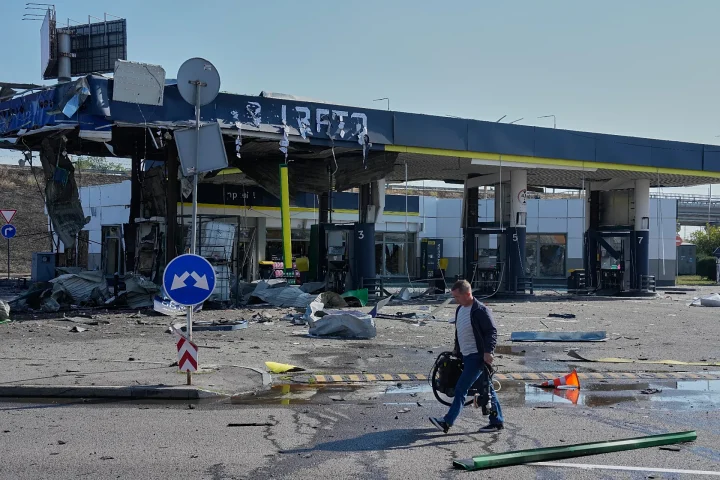
As the dust settles from the latest round of confrontations, the focus has shifted toward the humanitarian and structural recovery of affected areas. Beyond the headlines of tactical successes or failures lies the reality of damaged infrastructure and displaced communities. Humanitarian organizations are warning that the focus on high-level strategy often ignores the granular suffering of those caught in the crossfire, which in turn fuels the grievances that lead to future cycles of violence.
Looking ahead, the path toward a sustainable resolution remains obscured by historical distrust and competing national interests. There is a growing consensus among veteran diplomats that a military solution to the current impasse is non-existent. Instead, a multifaceted approach involving economic incentives, verifiable security guarantees, and perhaps most importantly, a consistent framework for dialogue will be required. Until such a framework is established, the world remains in a state of watchful waiting, hoping that the next move on this complex board is one of restraint rather than escalation.