Staff Report
Germany has reached a significant turning point in its post-war security policy as Defense Minister Boris Pistorius officially unveiled the nation’s first comprehensive military strategy. This document marks a departure from decades of cautious restraint, signaling a shift toward a more proactive and capable presence within the European security landscape. The new guidelines emphasize two critical pillars for the future of the Bundeswehr: operational speed and effective deterrence.
The strategy arrives at a time of heightened geopolitical tension across the continent. Following Russia’s invasion of Ukraine, Berlin has faced increasing pressure to modernize its armed forces and assume a leadership role commensurate with its economic power. Minister Pistorius articulated that the primary objective of this reform is to make the German military war-ready, a term that has sparked significant debate within the country but reflects the urgent need for a credible defense posture. This readiness is not merely about equipment but involves a fundamental overhaul of administrative processes and decision-making hierarchies.
Central to the new doctrine is the concept of deterrence. The Ministry of Defense argues that the best way to prevent conflict is to demonstrate an undeniable capability to respond to threats. This involves a commitment to meeting NATO spending targets and ensuring that German troops are equipped with the latest technology, from advanced drone systems to cyber defense capabilities. By strengthening its own borders and contributing more robustly to the defense of the alliance’s eastern flank, Germany seeks to discourage any potential aggression before it begins.
Speed is the second cornerstone of the Pistorius plan. For years, the Bundeswehr has been criticized for being bogged down by a slow-moving bureaucracy that hindered procurement and deployment. The new strategy outlines a framework for streamlining these processes, allowing the military to react more swiftly to emerging crises. This includes faster acquisition of military hardware and a more flexible command structure that can adapt to the rapid changes of modern warfare. Pistorius emphasized that in the current security environment, the ability to move quickly is just as important as the size of the force itself.
The document also addresses the social aspect of national defense. It calls for a renewed focus on resilience and a closer relationship between the military and the civilian population. While the reintroduction of conscription remains a sensitive topic, the strategy hints at the need for a sustainable model to ensure the military has access to the talent and personnel it requires. This cultural shift aims to foster a greater understanding of the military’s role in protecting democratic values and ensuring national stability.
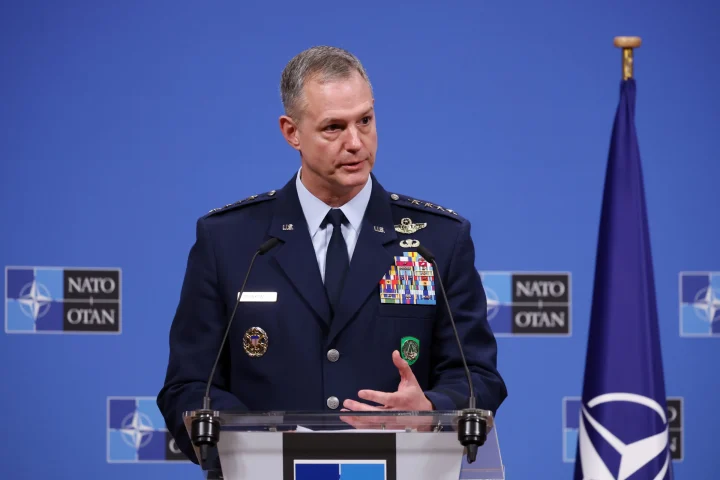
International reaction to the announcement has been largely positive, particularly among Germany’s closest allies. NATO leadership and neighboring European states have long encouraged Berlin to take a more assertive stance in regional security. By formalizing these goals in a strategic document, Germany provides its partners with a clearer roadmap of its intentions and capabilities. This transparency is expected to strengthen the cohesion of the alliance and improve collective defense planning.
However, the implementation of such an ambitious strategy will not be without its challenges. Funding the transition remains a significant hurdle, as the government must balance military investment with other social and economic priorities. Furthermore, the shift in military culture will take time to permeate all levels of the organization. Minister Pistorius acknowledged these difficulties but insisted that the changing global reality leaves Germany with little choice but to evolve.
Ultimately, this first ever military strategy represents a bold step for a nation that has historically been reluctant to project power. It signifies a realization that security cannot be taken for granted and that a credible military is essential for maintaining peace. As the Bundeswehr begins to implement these changes, the world will be watching to see if Germany can truly transform itself into a pillar of European stability and a formidable force for deterrence.