 Staff Report
European equity markets navigated a landscape of uncertainty during the latest trading session as investors grappled with the implications of rising energy costs. The major indices across the continent displayed a fragmented performance, reflecting a cautious approach from institutional players who are weighing the potential for sustained inflationary pressures against a backdrop of tepid economic growth.
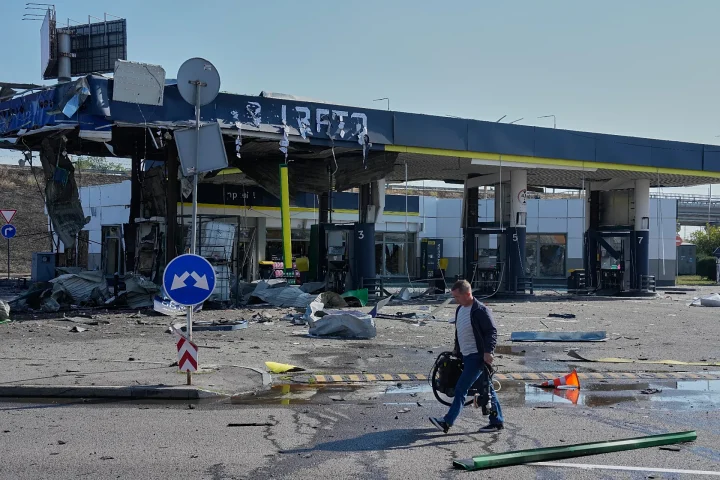
At the center of the market volatility is the persistent climb in global oil benchmarks. Brent crude and West Texas Intermediate have both seen a significant uptick in recent days, driven by a combination of geopolitical tensions and tightened supply forecasts. For energy-heavy economies, this trend represents a double-edged sword. While it bolsters the balance sheets of major oil producers and integrated energy firms, it simultaneously threatens to erode the margins of manufacturing sectors and dampen consumer discretionary spending.
In London, the FTSE 100 showed some resilience, largely supported by its heavy weighting in the energy and mining sectors. Major oil giants saw their shares track the price of crude, providing a necessary floor for the index. However, the gains in the energy sector were frequently offset by losses in the aviation and hospitality industries, where fuel costs represent a primary operational hurdle. The sentiment in Frankfurt and Paris was more subdued, with the DAX and CAC 40 struggling to find a clear direction as industrial data continues to suggest a softening in demand.
Central bank policy remains a critical variable in this equation. Economists are closely monitoring how the European Central Bank will react to this latest spike in energy prices. There is a growing concern that if higher oil prices become embedded in the broader economy, it could stall the recent progress made in cooling inflation. This scenario would complicate the path toward interest rate cuts, which many market participants had been pricing in for the latter half of the year. The prospect of prolonged high borrowing costs is keeping a lid on any significant rallies in the technology and real estate sectors.
Currency markets have also felt the impact of these shifting dynamics. The Euro experienced slight fluctuations against the US Dollar as traders digested the possibility of a divergent monetary policy path between the ECB and the Federal Reserve. A stronger dollar, often a byproduct of rising global energy prices, could further pressure European imports, adding another layer of complexity to the region’s economic recovery efforts.
Looking ahead, the focus will remain on upcoming inventory reports and manufacturing output data. Analysts suggest that the current mixed sentiment is likely to persist until there is more clarity regarding the duration of the current oil price surge. For now, the European investment community appears content to remain in a holding pattern, favoring defensive positions while the broader macroeconomic picture remains clouded by energy-related volatility. The coming weeks will be crucial in determining whether the current market stalls are a temporary reaction to commodity fluctuations or a signal of a deeper structural shift in the European economic outlook.