 Staff Report
MILAN – The political landscape of the European Union faced a significant tremor this weekend as high-ranking officials from various right-wing parties gathered in the heart of Milan. Led by Italy’s Deputy Prime Minister Matteo Salvini, the summit served as a strategic platform for leaders to synchronize their messaging on national sovereignty and border control. The meeting occurs at a pivotal moment for the continent, as member states grapple with shifting demographics and a renewed debate over the integrity of external European borders.
Throughout the day, representatives from several nations articulated a vision of Europe that prioritizes local governance over centralized mandates from Brussels. The atmosphere in Milan was one of shared purpose, with speakers emphasizing that the current approach to regional security requires a fundamental overhaul. Salvini, acting as the primary architect of the gathering, argued that the stability of the European project depends on the ability of individual nations to manage their own security protocols without undue interference from international bodies.
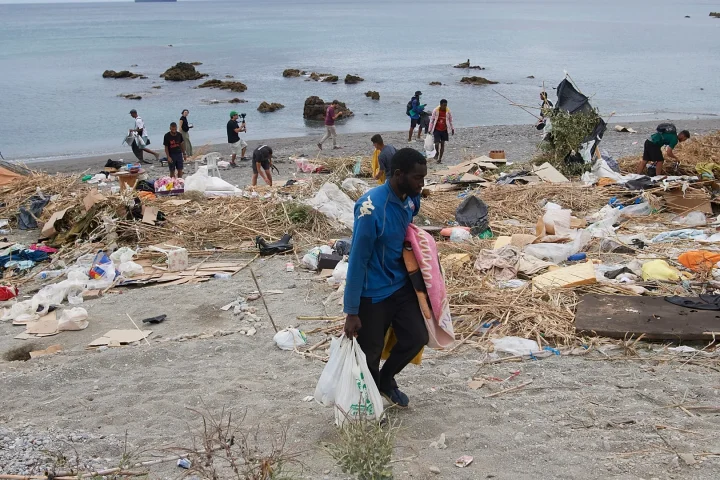
Central to the discussions was the issue of irregular migration, a topic that has consistently fueled the rise of these political movements across the continent. Attendees analyzed legal frameworks and proposed new measures to tighten security at maritime and land entry points. The rhetoric was firm, with leaders suggesting that current EU policies are insufficient to meet the challenges posed by modern geopolitical shifts. They advocated for a shift toward more stringent enforcement and a reallocation of resources to frontline states that bear the brunt of processing arrivals.
Economic security also featured prominently on the agenda. The participants argued that uncontrolled movement across borders creates an unpredictable strain on public infrastructure and social services. By linking immigration directly to the broader concept of national safety, the leaders sought to broaden their appeal to a wider segment of the European electorate. This strategic framing is designed to move the conversation beyond cultural identity and into the realm of practical governance and the protection of the welfare state.
Critics of the summit have voiced concerns that such gatherings could further polarize a continent already divided by ideological differences. Opposition groups in Italy and beyond suggested that the focus on restrictive measures ignores the humanitarian complexities of the current global situation. However, the leaders present in Milan remained undeterred, viewing their collaboration as a necessary counterweight to the prevailing political consensus in the European Parliament. They signaled that the Milan meeting is merely the first step in a coordinated effort to influence the direction of the EU in the coming years.
As the summit concluded, the participants issued a joint statement outlining their commitment to a more secure and autonomous Europe. The document calls for a reevaluation of existing treaties and a greater emphasis on the protection of national identities. For Salvini and his allies, the event was a clear demonstration of their growing influence and their ability to organize at an international level. The ripple effects of this gathering are likely to be felt in upcoming elections, as these parties attempt to translate their shared vision into a tangible shift in European law and policy.
The international community will be watching closely to see how the established powers in Brussels respond to this display of unity. If the Milan summit is any indication, the debate over the future of Europe’s borders and its internal security is only just beginning. With a significant portion of the electorate appearing to favor a more nationalist approach, the pressure on centrist coalitions to adapt their strategies has never been higher.