Staff Report
Global supply chain experts are sounding the alarm over a potential surge in the cost of essential reproductive health products as escalating tensions in the Middle East disrupt vital shipping lanes. The intensifying conflict involving Iran has created a ripple effect through the logistics industry, forcing major manufacturers to rethink their distribution strategies and brace for significant overhead increases.
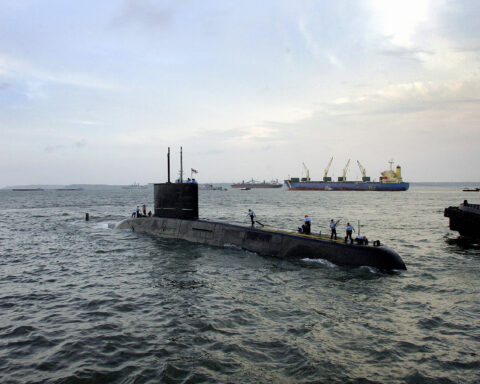
At the heart of the issue is the vulnerability of the Strait of Hormuz and the broader Persian Gulf region, which serves as a critical artery for international trade. As maritime security risks grow, insurance premiums for cargo vessels have plummeted into volatile territory, while many shipping firms are opting for longer, more expensive routes to avoid potential combat zones. These logistical hurdles are directly impacting the price of raw materials and the finished goods that rely on timely global transit.
Manufacturing giants in Southeast Asia, where the vast majority of the world’s latex is sourced and processed, are particularly sensitive to these shifts. While the raw rubber may be harvested in countries like Thailand and Malaysia, the chemical stabilizers and specialized machinery required for production often navigate through the very corridors currently under threat. Furthermore, the rising cost of crude oil, often a byproduct of Middle Eastern instability, drives up the price of synthetic materials and plastic packaging used across the industry.
Retailers are already warning that these compounding factors will likely be passed down to the consumer within the coming fiscal quarter. For public health organizations, the news is particularly grim. Many non-profit groups and government agencies operate on fixed budgets to provide affordable or free contraceptives to vulnerable populations. A double-digit percentage increase in unit costs could result in millions of fewer products being distributed, potentially leading to a secondary crisis in reproductive health and disease prevention.
Economists note that the condom market is historically resilient, but the current combination of energy inflation and shipping delays is unprecedented in the modern era. Unlike luxury goods, which consumers might forgo during a downturn, essential health products occupy a unique space in the market. However, when prices reach a certain threshold, behavioral changes often follow, which has health professionals worried about a decline in safe practices globally.
As the geopolitical situation remains fluid, major brands are looking for ways to mitigate the damage. Some are exploring near-shoring options to bring production closer to European and North American markets, though such transitions take years to implement. In the short term, the industry is largely at the mercy of regional stability and the safe passage of commercial fleets. For now, the prospect of more expensive pharmacy visits seems inevitable as the cost of war reaches far beyond the front lines.