Staff Report
The landscape of modern urbanization is shifting as municipal leaders from across the globe gather to address the mounting pressures of population density and infrastructure decay. With the upcoming World Urban Forum in Cairo acting as a catalyst, city planners and government officials are intensifying their efforts to find sustainable answers to the most pressing challenges of the twenty-first century. This period of preparation marks a significant turning point in how international bodies collaborate on local governance issues.
Housing remains the central pillar of these discussions. In many metropolitan hubs, the gap between average income and property costs has widened to unsustainable levels, forcing a rethink of traditional zoning laws. Innovative policies from cities like Vienna and Singapore are being studied as potential blueprints for other nations struggling with homelessness and overcrowding. The focus has moved beyond simply building more units to ensuring that residential developments are integrated with public transit and essential services.
Technological integration is another major theme dominating the pre-summit agenda. The concept of the smart city is evolving from a futuristic buzzword into a practical necessity for resource management. By utilizing data analytics to monitor energy consumption and traffic patterns, urban centers are finding ways to reduce their carbon footprints while improving the quality of life for residents. However, leaders are also cautious about the digital divide, ensuring that technological advancements do not leave marginalized communities behind.
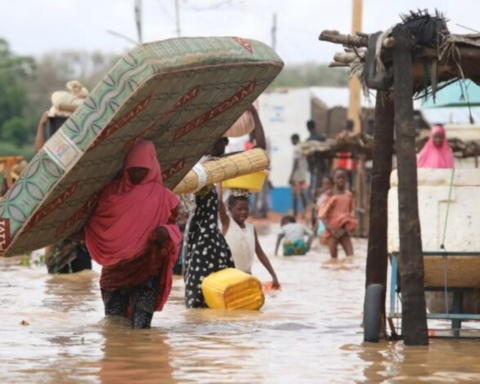
Climate resilience has transitioned from a long-term goal to an immediate requirement for urban survival. Recent extreme weather events have exposed vulnerabilities in even the most developed coastal cities. As preparations for the Cairo gathering continue, there is a clear emphasis on nature-based solutions, such as expanding green canopies and restoring natural waterways to mitigate the effects of urban heat islands and flooding. These strategies are being prioritized as cost-effective alternatives to massive concrete infrastructure projects.
Financial sustainability for local governments is the final piece of the puzzle. Many cities find themselves burdened by debt while trying to fund ambitious modernization programs. The dialogue leading up to the summit suggests a move toward more robust public-private partnerships and the decentralization of fiscal authority. By empowering local leaders to manage their own budgets more effectively, international organizations hope to foster more responsive and agile urban environments.
As the international community looks toward the deliberations in Egypt, the consensus is clear that the future of human civilization will be decided in its streets and neighborhoods. The work being done today will determine whether the cities of tomorrow are resilient hubs of opportunity or cautionary tales of mismanagement. The momentum building behind these urban solutions suggests a renewed commitment to making metropolitan life equitable and sustainable for all.