Staff Report
The diplomatic friction between China and the European Union has intensified this week as Beijing issued a sharp critique of Brussels and its latest roadmap for industrial revitalization. Government officials in China expressed deep skepticism regarding the newly unveiled European plans, which are designed to bolster domestic manufacturing and reduce reliance on foreign supply chains. This public pushback suggests that the era of quiet cooperation between the two economic giants may be giving way to a more confrontational period of protectionism and strategic rivalry.
Chinese trade representatives argued that the European Union is drifting toward economic isolationism under the guise of industrial autonomy. Beijing maintains that these new policies, which include subsidies for local green technologies and stricter oversight of foreign investments, violate the spirit of international trade agreements. The Chinese Ministry of Commerce suggested that such moves create artificial barriers that could disrupt global distribution networks, ultimately harming consumers in Europe who have long benefited from cost-effective Chinese imports.
European leaders, however, view the situation through a lens of economic security. Following years of supply chain vulnerabilities exposed by global health crises and geopolitical instability, the European Commission has moved to insulate its core industries. The strategy aims to supercharge sectors such as semiconductor production, electric vehicle manufacturing, and renewable energy infrastructure. By providing financial incentives and streamlining regulations for European firms, Brussels hopes to regain a competitive edge that many believe has been eroded by decades of outsourcing.
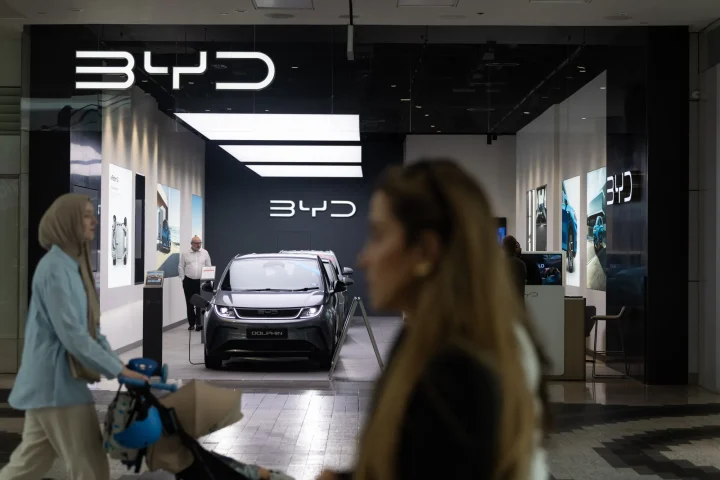
Central to the disagreement is the concept of a level playing field. Beijing asserts that its own industrial successes are the result of efficiency and innovation, while the European Union increasingly characterizes Chinese market dominance as the product of state-led distortions. This fundamental difference in economic philosophy has led to a flurry of anti-subsidy investigations by the EU, notably targeting the Chinese electric vehicle sector. China has hinted at potential retaliatory measures, raising the specter of a broader trade war that could impact everything from luxury goods to agricultural exports.
Market analysts suggest that this rhetorical escalation is part of a larger global trend toward regionalization. As the United States continues its own aggressive push to reshore manufacturing through the Inflation Reduction Act, Europe feels immense pressure to respond with its own robust framework. The challenge for Brussels lies in balancing its desire for industrial independence with its commitment to a rules-based international order. If the European Union moves too aggressively, it risks alienating its largest trading partner; if it moves too slowly, it risks permanent deindustrialization.
For Beijing, the stakes are equally high. The Chinese economy is currently navigating a complex transition away from property-led growth toward high-tech manufacturing. Access to the European market is vital for this strategy to succeed. By panning the EU’s plans so publicly, Beijing is likely attempting to sway European member states that remain wary of decoupling. Countries with significant automotive and industrial ties to China, such as Germany, may find themselves caught in the middle of this escalating dispute between Brussels and Beijing.
As the two powers prepare for upcoming diplomatic summits, the tone of the discourse remains decidedly frosty. The European Union seems committed to its path of strategic autonomy, while China remains steadfast in its opposition to what it calls discriminatory trade practices. The coming months will determine whether these economic rivals can find a middle ground or if the global economy is headed toward a definitive split into competing industrial blocs. For now, the war of words serves as a reminder that the world’s most important trade relationship is entering uncharted and increasingly volatile territory.