Staff Report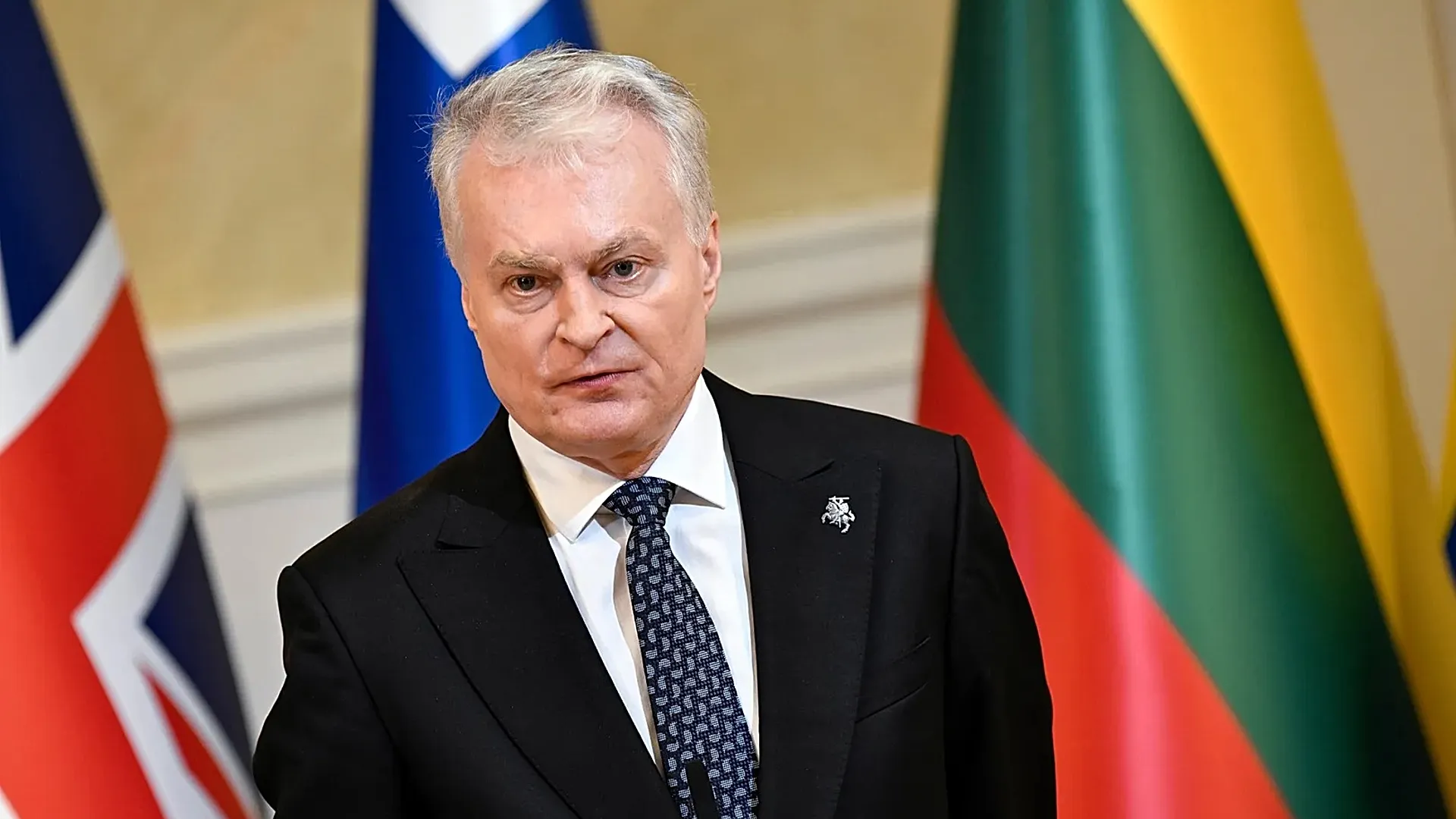
Lithuania’s top political echelons have reached a consensus regarding the potential removal of a long-standing constitutional prohibition on the domestic deployment of nuclear weapons. President Gitanas Nauseda has articulated that Article 137 of the nation’s constitution, which currently forbids the stationing of weapons of mass destruction and the establishment of foreign military bases, has become increasingly anachronistic. This shift in perspective is largely attributed to a deteriorating geopolitical landscape, vastly different from the conditions under which the constitution was originally drafted.
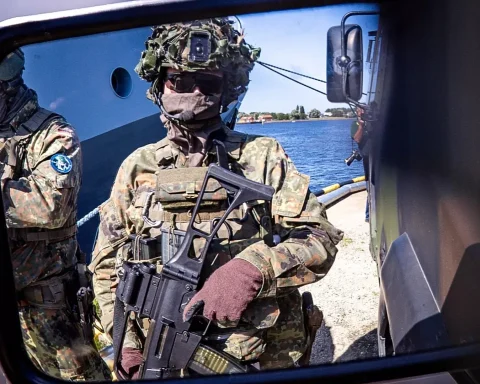
The strategic calculations in Vilnius are undergoing a significant recalibration. Lithuania, a Baltic nation, currently hosts a NATO multinational battlegroup that includes a permanent presence of up to 5,000 German soldiers. Yet, its immediate neighborhood presents a complex security challenge. The Russian exclave of Kaliningrad and neighboring Belarus, a staunch ally of Moscow, both maintain nuclear-capable arsenals, creating a palpable sense of vulnerability that leaders in Vilnius are now addressing head-on. The current constitutional framework, according to Nauseda, no longer adequately serves the country’s contemporary defense needs.
Finland, a close regional partner, recently navigated a similar path, voting to amend its own long-standing ban on nuclear weapons. This pivotal decision now permits Finland to receive, transport, and facilitate the movement of nuclear arms within its borders, integrating these capabilities into its allied defense strategy. The Finnish move was not without controversy, drawing sharp condemnation and threats from Russia. Aleksey Zhuravlyov, first deputy chair of the Russian State Duma Defence Committee, notably accused Finland of risking a similar fate to Ukraine and issued explicit threats regarding Moscow’s military capacity.
The Finnish experience offers a potential blueprint for Lithuania. With political leaders in agreement on the principle of amending the constitution, the practical question now revolves around the method of implementation. Options include a parliamentary vote, mirroring Finland’s approach, or a national referendum. Beyond the constitutional change itself, Finland’s proactive steps in defense cooperation also provide a model. The Nordic nation announced plans to collaborate with the US defense firm Lockheed Martin to establish Europe’s first maintenance center for multiple-launch rocket systems in Tampere, signaling a broader commitment to bolstering regional security infrastructure.
This evolving stance in Lithuania underscores a broader trend among nations situated near Russia’s borders, where traditional security doctrines are being re-evaluated in light of current geopolitical realities. The debate in Vilnius reflects a growing conviction that national security imperatives now outweigh previous constitutional constraints, driven by the perceived necessity to align defense capabilities more closely with those of NATO allies. The decision whether to proceed via parliamentary vote or referendum will mark the next critical step in this significant policy shift, one that could fundamentally alter Lithuania’s defense posture in the coming years.