Staff Report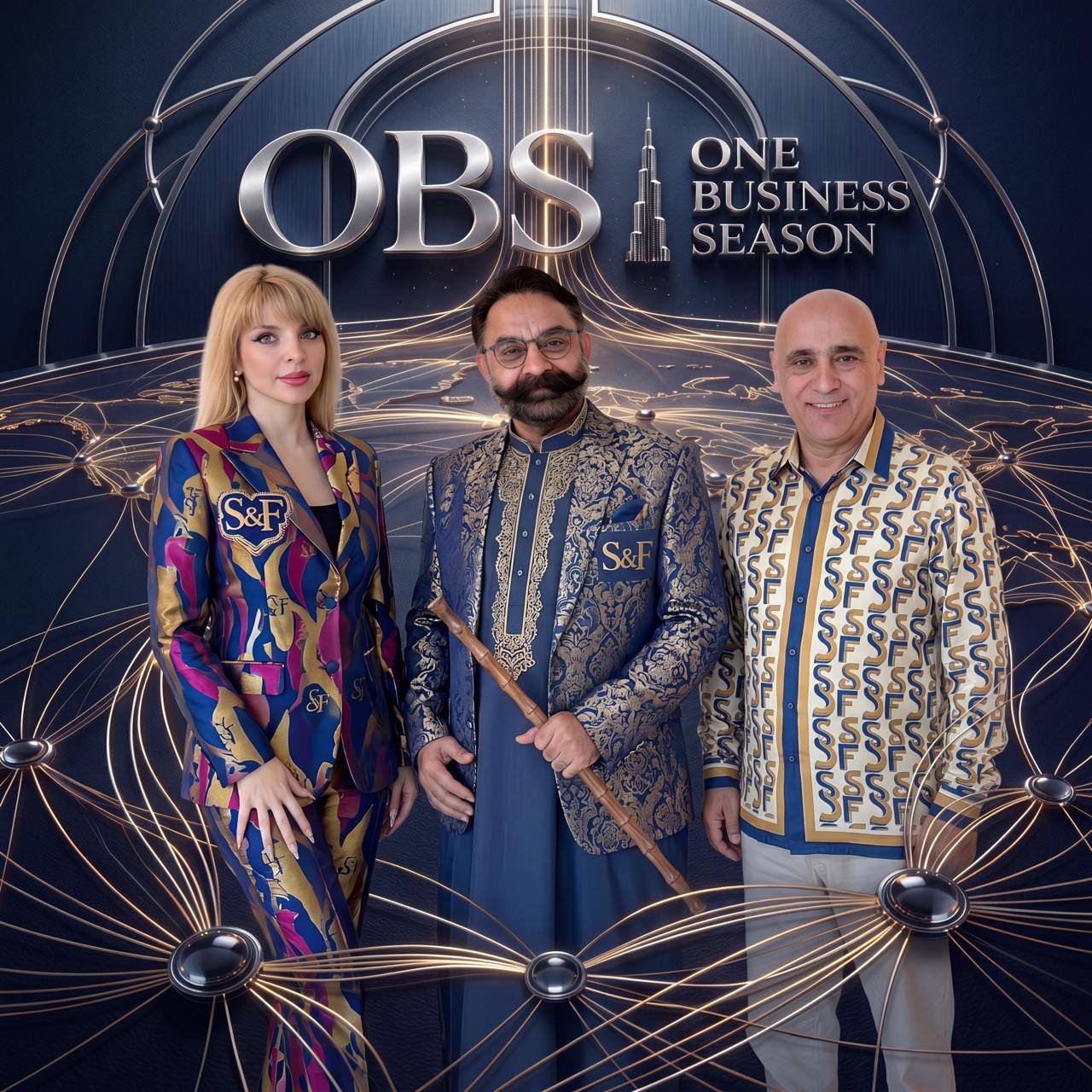
For decades, the standard playbook for professional advancement and corporate growth involved a pilgrimage to the annual conference. Attendees would collect business cards, exchange pleasantries, and perhaps catch a few keynote speeches, often leaving with a feeling that amounted to little more than a fleeting inspiration. That model, however, is rapidly becoming obsolete. The future of global business, it turns out, is not being forged in isolated, multi-day events, but within integrated, continuously evolving ecosystems that demand sustained engagement and tangible results.
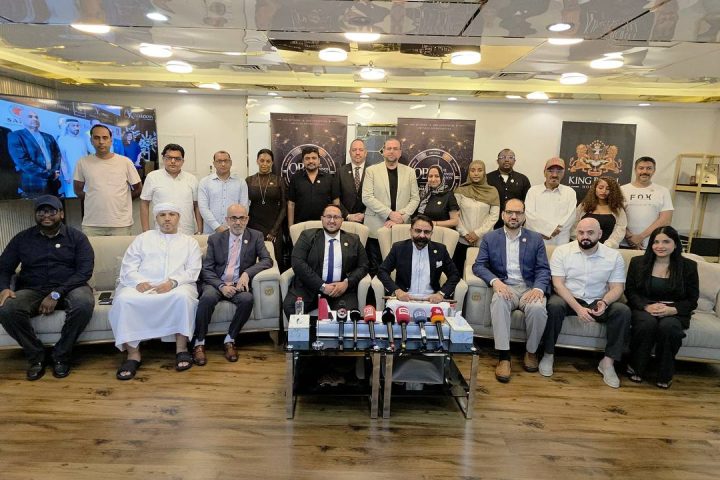
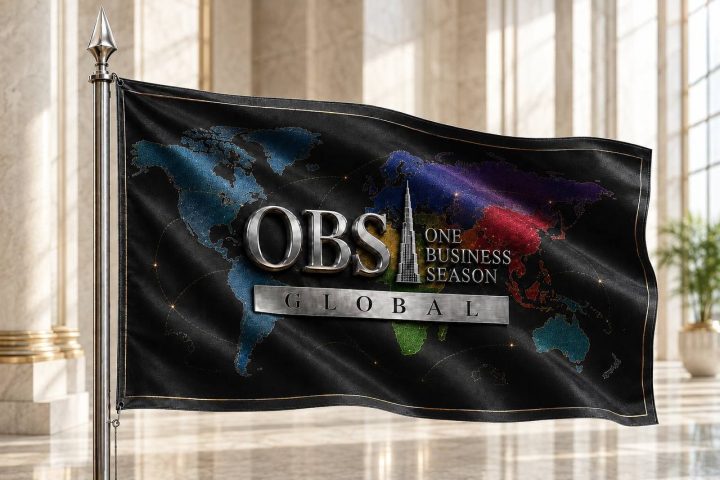
This profound shift marks a departure from mere networking towards genuine, long-duration collaboration, moving from quick introductions to deeply embedded partnerships. The critical difference lies in continuity. Where traditional conferences offer a snapshot, the emerging paradigm fosters an ongoing dialogue, transforming discussions into transactions and nascent ideas into concrete investments. Organizations like One Business Season (OBS) are at the vanguard of this transformation, launching platforms designed to extend engagement across months, rather than days. OBS, for instance, envisions a 100-day global business season, a protracted environment where companies, investors, and decision-makers from diverse sectors and geographies can truly connect and cultivate relationships that mature into actionable outcomes. It’s a clear signal that business leaders are increasingly prioritizing measurable impact over simple attendance.
The demands of the modern economic landscape extend far beyond the superficiality of traditional networking. Today’s success hinges on a confluence of factors: robust cross-border collaboration, direct and efficient access to capital, the strategic formation of public-private partnerships, relentless technology-driven innovation, and a fundamental commitment to sustainable economic growth. The companies poised to dominate the next decade will be those adept at building intricate bridges across industries and geographical divides. Their competitive edge will not solely derive from proprietary assets, but significantly from the quality and dynamism of the ecosystem they actively participate in. This represents a fundamental re-evaluation of how value is created and sustained in the global marketplace.
Dubai stands as a compelling case study of this transformative approach. The city has meticulously cultivated an environment that draws together a potent mix of global investors, innovative entrepreneurs, powerful family offices, influential government representatives, and industry titans. This strategic convergence has cemented Dubai’s reputation as a vital gateway, seamlessly connecting the economic powerhouses of the East with the West. Its proactive stance continues to attract ambitious initiatives focused on expanding international business and facilitating substantial investment flows, demonstrating a clear understanding of the new economic imperative. The city isn’t just hosting events; it’s building a permanent infrastructure for global commerce.
The fundamental question for today’s astute business leaders has thus undergone a significant rephrasing. It’s no longer about which fleeting event to attend, but rather, which enduring ecosystem to become an integral part of. The trajectory of global commerce is undeniably shifting from transient conversations to concrete collaboration, from casual networking to deeply rooted partnerships, and ultimately, from mere visibility to the creation of profound, lasting value. This new era demands a focus not on who occupies the room, but on what enduring structures are built long after the meetings conclude. Those who recognize and adapt to this paradigm shift early will undoubtedly be the architects of the next generation of global trade and prosperity, shaping an economic future far more interconnected and productive than anything seen before.