Staff Report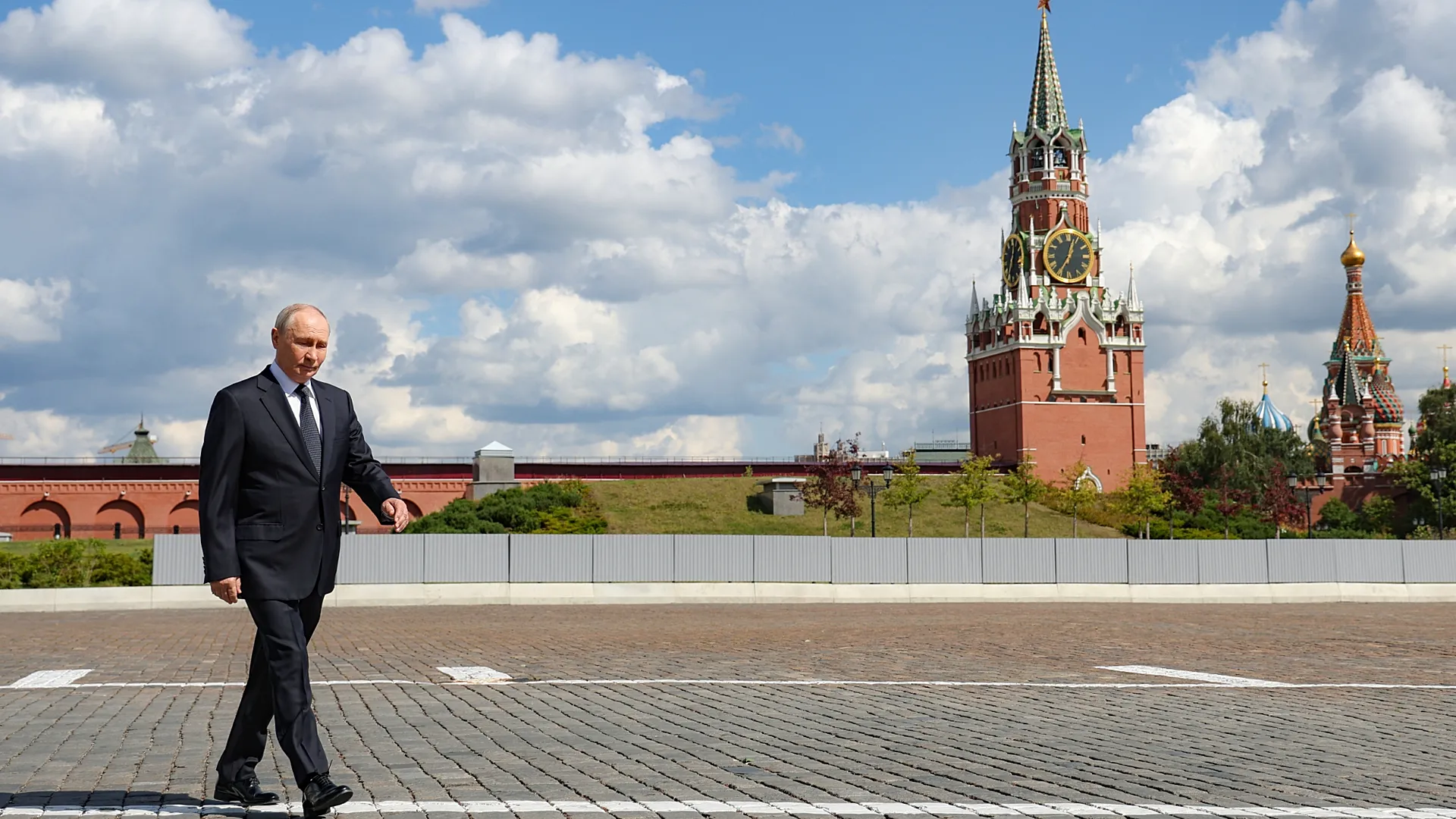
A notable shift in Budapest’s foreign policy, signaled by Hungary’s new government, has drawn a sharp rebuke from Moscow, with a Russian State Duma deputy suggesting potential repercussions for Hungary’s energy supply. This development follows the victory of Péter Magyar’s Tisza Party in April, which ushered in a period of promised recalibration in Hungary’s international relations, moving away from the close alignment Viktor Orbán’s previous administration fostered with the Kremlin.
The new Hungarian government articulated its revised foreign policy doctrine in a document released last Wednesday, ahead of the 81st UN General Assembly. This statement explicitly condemned Russia’s military aggression and affirmed full support for Ukraine’s sovereignty and territorial integrity. It also called for negotiations aimed at achieving sustainable peace and establishing security guarantees. Crucially, the document stated that “Russia’s behavior poses a threat to Hungary, Europe and the global order, and also endangers the Hungarian minority living in Transcarpathia,” a direct and stark departure from previous Hungarian rhetoric.
While Russia’s Foreign Ministry has not issued an official response to Budapest’s new policy paper, a prominent voice from the State Duma quickly weighed in. Andrei Kolesnik, a member of the Duma’s Defence Committee and part of Vladimir Putin’s ruling party, warned that Russia might reconsider its oil and gas deliveries to Hungary. Speaking to the Russian newspaper Gazeta.ru, Kolesnik remarked that Hungary appeared to be acting under instruction to adopt a hostile stance towards Russia, implying that such statements could jeopardize the continued flow of energy supplies. He further suggested that Hungary had succumbed to pressure from the European Union to implement anti-Russian policies, echoing familiar Kremlin narratives.
This threat carries significant weight given Hungary’s unique energy position within the European Union. Budapest remains one of the few EU member states still importing substantial volumes of Russian oil and natural gas, largely through a Soviet-era pipeline network. In 2022, Hungary, alongside Slovakia, secured an exemption from EU sanctions that prohibited pipeline oil imports from Russia, underscoring its reliance on these supplies. For years, Viktor Orbán had cultivated a reputation as Vladimir Putin’s closest partner within the EU, frequently blocking statements and sanctions against Russia. Orbán consistently argued that Russia presented no threat to Hungary, citing NATO’s superior military strength, despite Hungary’s own membership in the alliance.
The current geopolitical landscape suggests a notable change in Budapest’s approach. Péter Magyar, the architect of this foreign policy reset, has committed to fostering closer ties with both the European Union and NATO, a clear pivot from his predecessor’s strategy. This shift was underscored by a rare public statement last year from Russian secret services, which criticized Magyar, branding him a tool of the EU and aligning with narratives previously promoted by Orbán’s Fidesz party. Despite these tensions, Russia’s Foreign Ministry had previously indicated a willingness to pursue pragmatic relations with the new Hungarian administration, a sentiment now potentially challenged by Kolesnik’s stark warning. The unfolding situation highlights the delicate balance between national energy security and evolving international alliances, particularly in the context of the ongoing conflict in Ukraine.