 Staff Report
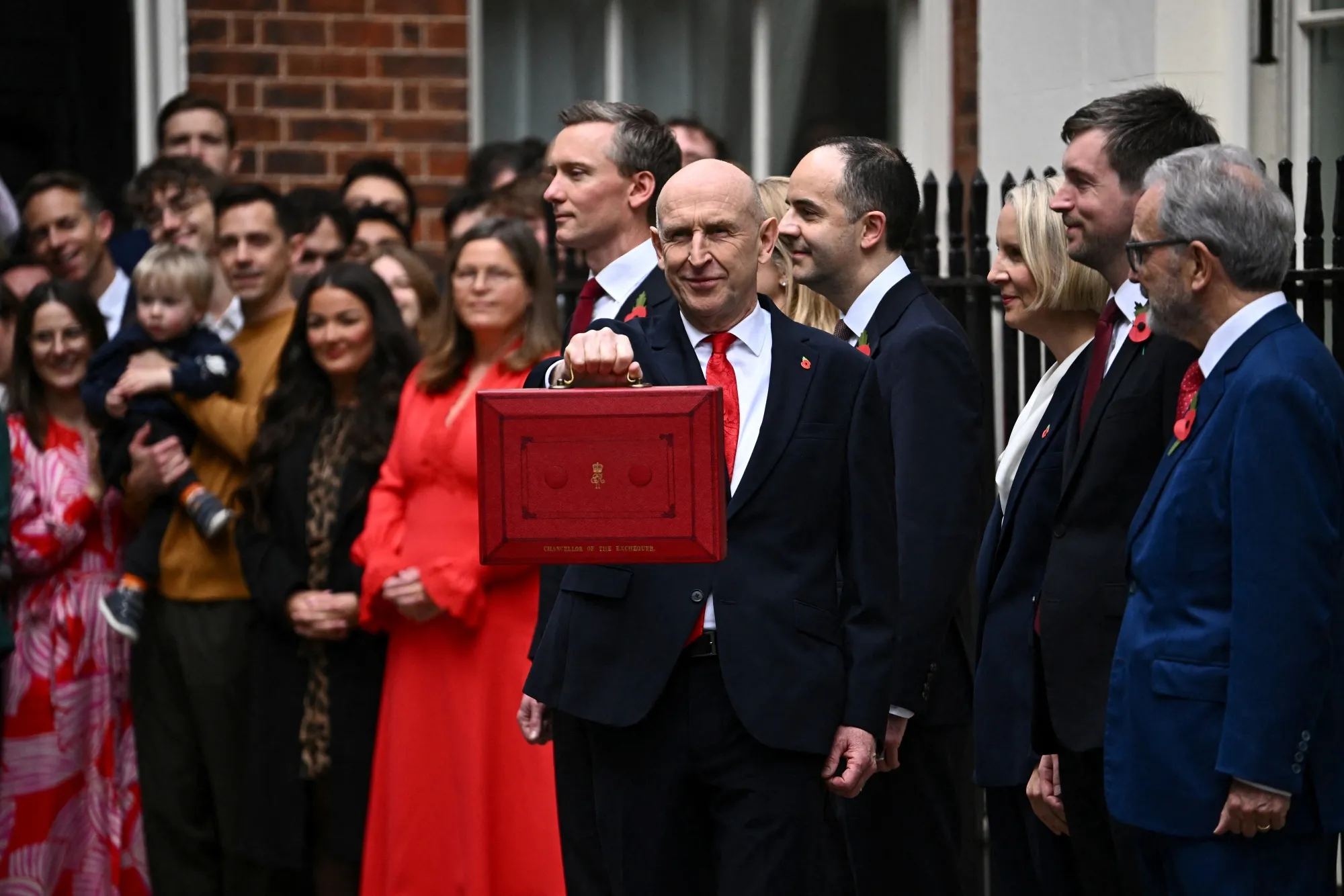
Chancellor John Healey delivered his first budget on 28 October with a clear structure: front-load relief for households squeezed by energy and living costs, and fund it with time-limited measures that unwind before the government’s stricter fiscal rules kick in at the end of the parliament in 2029-30.
The headline giveaway is a new £100 Household Energy Payment, paid directly into bank accounts for roughly 20 million households in council tax bands A to D this winter, at a total cost of £2.6 billion. Healey paired that with an extension of the VAT cut on electricity through July, a move expected to take around £50 off the annual price cap, and a further extension of the fuel duty cut through July 2027, continuing the 5p reduction that benefits households, hauliers and farmers alike.
To pay for it, Healey turned to banks. The budget raises the bank surcharge from 3% to 6%, doubling the rate lenders pay on top of standard corporation tax. The increase is itself time-limited, running from January for roughly 15 months, timed specifically to fund the immediate energy support rather than serve as a permanent revenue source.
That temporary structure is the budget's defining feature. Nearly every major measure, the energy payment, the VAT cut, the fuel duty freeze, and the bank surcharge increase that funds them, is designed to expire before the government's main fiscal rule becomes binding in 2029-30. The approach lets Healey deliver cost-of-living relief now without permanently widening the gap between government spending and its fiscal targets.
The fiscal backdrop explains the caution. A global rise in borrowing costs, driven in part by fallout from the US-Iran war, is estimated to have cut the government's roughly £23.6 billion of headroom against its main fiscal rule by about half. With less room to maneuver, Healey's budget leans on measures that provide real, visible relief without committing the government to open-ended spending once that headroom shrinks further.
The budget also widens the tax base in smaller ways, including a new requirement for sellers on online marketplaces to charge VAT, part of a broader effort to shore up revenue around the edges rather than through headline tax rises that would land directly on households.
The net effect is a budget that reads as generous in the near term while quietly setting up a harder set of choices for whoever is still chancellor when these temporary measures expire. Healey has bought breathing room through 2027, but the structure of the budget makes clear that the underlying fiscal pressure hasn't gone away, it has simply been pushed past the next couple of years.