Staff Report
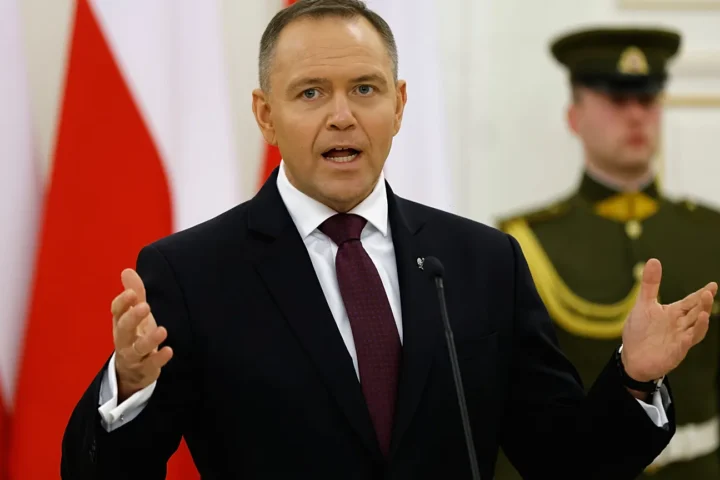
The European Union is facing a pivotal moment in its defense strategy as Andrius Kubilius, the newly appointed Commissioner for Defense and Space, warns that the continent must undergo a radical industrial transformation. The central challenge lies in the widening gap between current manufacturing capabilities and the skyrocketing demand for advanced missile systems. As geopolitical tensions remain high on the eastern flank, the urgency to replenish stockpiles and support ongoing security commitments has become the primary focus of Brussels.
Kubilius argues that the traditional slow-moving procurement cycles of the European defense sector are no longer sustainable in the current security environment. For decades, many European nations operated under a peace-time economy mindset, allowing production lines to remain modest and research to move at a leisurely pace. That era has abruptly ended. The Commissioner emphasizes that without a significant infusion of capital and a streamlined regulatory framework, the EU risks falling behind in its ability to defend its own borders and maintain its strategic autonomy.
One of the most pressing issues identified by the Commissioner is the fragmentation of the European defense market. Currently, various member states pursue independent contracts with different specifications, which prevents the kind of mass production seen in the United States. Kubilius is calling for a more unified approach where EU nations pool their resources to place massive, long-term orders. This would provide defense contractors with the financial certainty required to build new factories, hire thousands of specialized workers, and invest in the next generation of precision-guided munitions.
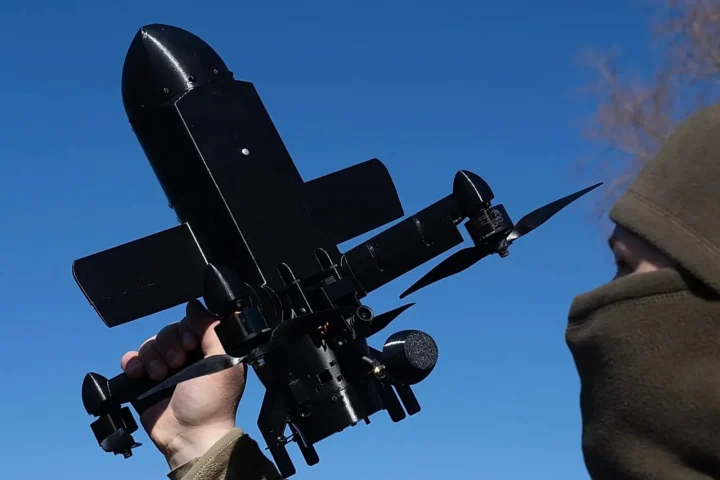
Beyond simply building more of the same hardware, the push for increased missile production involves a technological leap. The modern battlefield requires highly sophisticated interceptors and long-range strike capabilities that can bypass advanced electronic warfare systems. European firms like MBDA and various national aerospace entities are being encouraged to collaborate more closely. The goal is to create a standardized ecosystem of weaponry that ensures interoperability among the diverse militaries of the European Union, making collective defense more than just a theoretical concept.
Financial experts suggest that the scale of investment needed could reach hundreds of billions of euros over the next decade. Kubilius has been vocal about exploring innovative funding mechanisms, including the possibility of defense bonds or utilizing the European Investment Bank to back military projects. While some member states remain cautious about increased centralized spending, the prevailing sentiment in Brussels is shifting toward the realization that security is the prerequisite for all other economic activities.
Critics of the rapid expansion point to the potential for wasteful spending and the difficulty of sourcing raw materials such as specialized explosives and high-grade semiconductors. However, the Commissioner maintains that these hurdles are exactly why the EU must act as a single bloc. By leveraging its collective bargaining power, the Union can secure supply chains that would be inaccessible to individual nations. The strategy also includes a focus on domestic sourcing to reduce dependency on external suppliers who may have conflicting interests during a crisis.
As the European Commission prepares its next multiannual financial framework, the defense sector is expected to take center stage. The vision laid out by Kubilius is not merely about preparing for conflict, but about creating a credible deterrent that ensures peace through strength. By transforming the continent into a powerhouse of missile manufacturing, the European Union aims to send a clear signal to global rivals that it possesses both the will and the industrial might to protect its sovereignty in an increasingly volatile world.