Staff Report
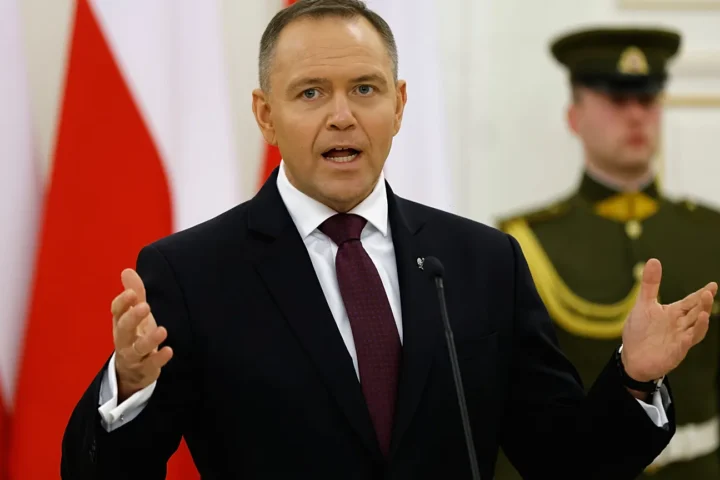
The European Commissioner for Defense and Space, Andrius Kubilius, has issued a direct appeal to the Polish political establishment to find common ground on the Strategic Air and Missile Defense (SAFE) project. This call for unity arrives at a critical juncture for continental security as Poland remains locked in a high-stakes domestic dispute between Prime Minister Donald Tusk and President Andrzej Duda over the nation’s strategic direction.
Kubilius emphasized that the success of a unified European defense infrastructure depends heavily on Warsaw’s active and cohesive participation. As the largest military power on NATO’s eastern flank, Poland is viewed by Brussels as the indispensable pillar of any future air defense network. However, the internal friction between the Prime Minister’s pro-EU cabinet and the President’s more skeptical office has threatened to stall decision-making on procurement and integration.
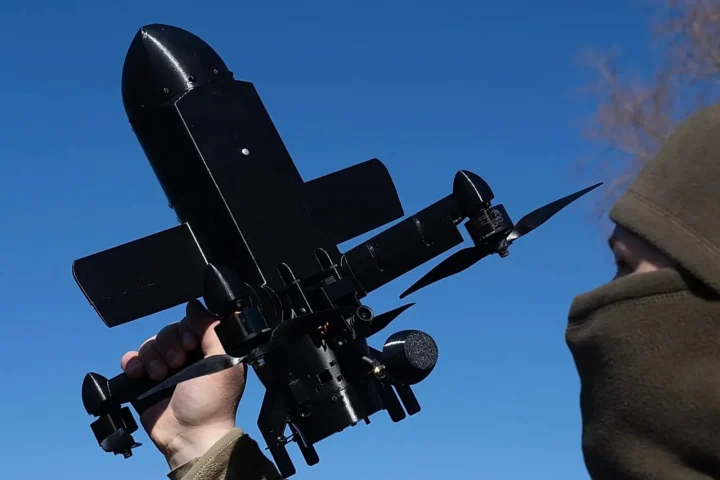
The SAFE initiative is designed to create an interoperable shield across Europe, reducing reliance on fragmented national systems that currently leave significant gaps in radar coverage and interceptor capabilities. Kubilius argued that the geopolitical reality of the 2020s necessitates a shift away from purely bilateral defense arrangements toward a collective European framework. He noted that while Poland’s modernization efforts are impressive, they would be significantly more effective if fully integrated into the broader European Union architecture.
At the heart of the friction in Warsaw is a debate over sovereignty and procurement sources. President Duda has historically favored deep bilateral ties with the United States, prioritizing American-made hardware and direct cooperation with Washington. Conversely, Prime Minister Tusk has signaled a stronger appetite for European-led initiatives, suggesting that Poland should play a leading role in shaping the EU’s domestic defense industry. This ideological split has created a bottleneck in several key military modernization programs.
Kubilius, a former Lithuanian Prime Minister who understands the complexities of Baltic and Eastern European security, warned that delays caused by political infighting only serve the interests of regional adversaries. He stressed that the SAFE project is not intended to replace existing NATO commitments but to augment them with a robust, industrial-scale European component. By backing the initiative, Kubilius believes Poland can secure its position as a primary manufacturer and strategic hub for the next generation of defense technology.
The Commissioner’s remarks also touched upon the financial incentives tied to the project. The European Commission is increasingly linking defense funding to collaborative projects that involve multiple member states. If Poland remains divided or hesitant, it risks missing out on billions of euros in subsidies designed to bolster the continent’s industrial base. Kubilius indicated that the window for influencing the technical specifications and command structure of the SAFE shield is narrowing.
Diplomatic observers in Brussels suggest that Kubilius is attempting to act as a bridge-builder, offering a vision where both the Prime Minister’s European ambitions and the President’s security concerns are addressed. The proposed shield would utilize a mix of technologies, potentially incorporating both American systems already in use by Poland and newly developed European interceptors. This hybrid approach is seen as the most viable path toward achieving a political consensus in Warsaw.
As the debate continues, the pressure on Polish leadership to present a unified front is mounting. The security situation in Eastern Europe remains volatile, and the demand for a comprehensive air defense solution has never been higher. Whether Tusk and Duda can set aside their domestic rivalries to endorse the SAFE initiative will likely determine the pace of European defense integration for the next decade. Kubilius remains optimistic, asserting that the shared threat environment will eventually compel a pragmatic resolution between the two leaders.