Staff Report
The intensifying conflict involving Iran has fundamentally altered the geopolitical landscape, casting a harsh light on the current energy debate in the United States. For years, Donald Trump has maintained a consistent rhetorical offensive against renewable energy sources, frequently characterizing wind and solar power as unreliable alternatives to traditional fossil fuels. However, the sudden volatility in global oil markets triggered by the escalating situation in the Middle East is forcing a reevaluation of what true energy independence looks like in the twenty-first century.
Energy analysts suggest that the former president’s focus on domestic drilling as the sole solution to high fuel prices may be overlooking a critical vulnerability. While the United States has reached record levels of crude oil production, the commodity remains tied to a global pricing structure that reacts violently to instability in the Persian Gulf. This reality has inadvertently strengthened the argument for a diversified energy grid, which Trump has frequently dismissed during his campaign rallies and policy proposals.
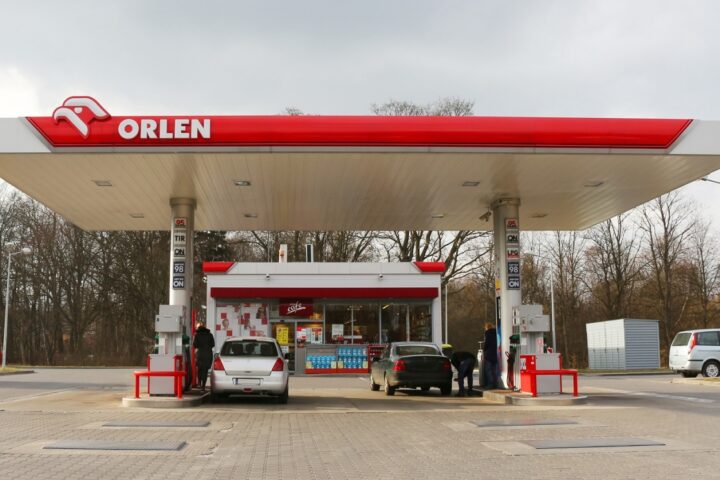
Critics of the isolationist energy approach argue that the current war has effectively demonstrated that fossil fuels are inherently geopolitical. When tankers are threatened in the Strait of Hormuz, the price at American pumps rises regardless of how much oil is being extracted from Texas or North Dakota. In contrast, the generation of electricity via domestic wind and solar farms is immune to the logistical disruptions and political posturing of foreign adversaries. By attacking these technologies, Trump may be unintentionally highlighting the very security risks he claims to want to avoid.
Within the Republican party, a quiet divide is beginning to emerge. Several governors in the Midwest and South have overseen massive expansions of renewable infrastructure, attracted by the job creation and tax revenue these projects provide. These leaders often find themselves at odds with the national rhetoric, as they see firsthand how a multi-pronged energy strategy provides a buffer against international shocks. For these regional players, the debate is less about environmental ideology and more about pragmatic economic resilience.
Furthermore, the Iranian conflict has accelerated the conversation regarding the electrification of the transport sector. As the threat of a wider regional war looms, the vulnerability of a gasoline-dependent economy becomes a matter of national security. While Trump has often ridiculed electric vehicles as a forced transition that harms the American auto industry, the prospect of sustained five-dollar-a-gallon gasoline provides a compelling counter-argument for consumers looking to decouple their daily expenses from Middle Eastern stability.
Strategic experts point out that true sovereignty requires a grid that cannot be held hostage by a foreign power’s missile program or naval blockade. The current administration has used this moment to double down on the Inflation Reduction Act’s provisions, framing the transition to green energy as a defensive necessity rather than just an ecological goal. This shift in messaging has put the Trump campaign on the defensive, requiring a more nuanced explanation of how traditional drilling alone can protect American consumers from the whims of the global market.
As the election cycle progresses, the intersection of foreign policy and energy costs will likely remain a central theme. Trump’s ability to maintain his stance against renewables will be tested by the daily headlines coming out of the Middle East. If oil prices continue to climb due to the Iran war, the push for an all-of-the-above energy strategy may become an undeniable political reality, regardless of the rhetoric used on the stump. The coming months will determine if the American electorate views renewable energy as a partisan luxury or a vital shield against an increasingly unstable world.