 Staff Report
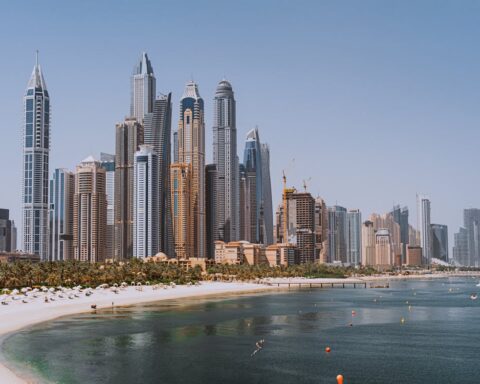
The skies over Dubai are set to become significantly busier as Emirates prepares to bring its entire fleet back into full operational service. Following a period of strategic adjustments and logistical hurdles, the airline has announced its intention to reach one hundred percent capacity within the next few days. This move signals a robust recovery for the Middle Eastern carrier, which serves as a vital artery for international transit and global commerce.
Restoring full capacity is not merely a logistical milestone for Emirates but a statement of intent for the broader aviation industry. The airline has been working tirelessly to coordinate ground crews, flight personnel, and maintenance schedules to ensure that every available aircraft is ready for departure. Industry analysts suggest that this rapid return to full strength is a response to surging demand for long-haul travel, particularly as major markets in Asia and Europe continue to experience a resurgence in passenger volume.
While many global carriers are still struggling with staffing shortages and aging fleets, Emirates has leveraged its position in Dubai to maintain a competitive edge. The airline’s leadership remains confident that the infrastructure at Dubai International Airport is fully equipped to handle the influx of travelers. This confidence is backed by recent investments in digital check-in systems and automated baggage handling, which are designed to minimize delays even when the airline is operating at its maximum limit.
The transition back to a full schedule involves more than just putting planes in the air. Emirates has had to navigate a complex web of international regulations and varying health protocols that still linger in certain jurisdictions. By achieving total capacity, the carrier effectively stabilizes its network, allowing for more seamless connections for passengers traveling between the West and the East. This reliability is a cornerstone of the Emirates brand, and returning to a full roster of flights is seen as essential for maintaining customer loyalty in an increasingly crowded market.
Furthermore, the economic implications for the United Arab Emirates are substantial. As the flagship carrier, Emirates plays a pivotal role in the nation’s tourism and trade sectors. A fully operational airline means increased foot traffic for Dubai’s luxury retail, hospitality, and business hubs. The ripple effect of this capacity increase will likely be felt across the region, as secondary businesses that support the aviation ecosystem ramp up their own operations to match the airline’s pace.
Challenges do remain, however, as the airline industry faces fluctuating fuel prices and the ongoing need for sustainable aviation solutions. Emirates has indicated that while it is pushing for maximum capacity, it remains committed to its long-term goals of fleet modernization and carbon footprint reduction. The newer Airbus A350 aircraft expected to join the fleet in the near future will play a significant role in this strategy, providing more efficient alternatives for certain long-range routes.
As the coming days unfold, travelers can expect a return to the high-frequency service that defined the airline before the global shifts of recent years. With its sights set on a full schedule, Emirates is positioned to lead the next phase of international aviation, proving that the demand for global connectivity remains as strong as ever. The successful execution of this ramp-up will serve as a benchmark for other international carriers aiming to find their footing in a transformed travel landscape.