Staff Report
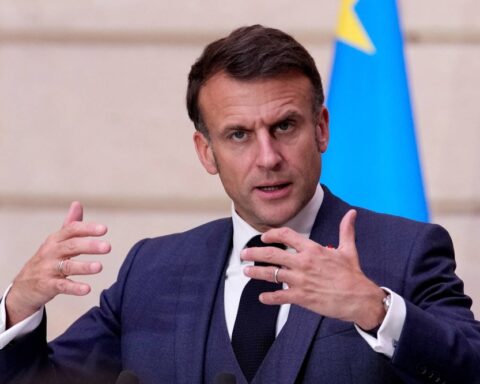
President Emmanuel Macron has formally introduced a paradigm shift in French defense policy by offering to integrate the nation’s nuclear capabilities into a broader European security framework. This strategic pivot, referred to as forward deterrence, seeks to position France as the primary guarantor of stability on a continent increasingly unsettled by shifting geopolitical alliances and the ongoing conflict in Ukraine.
Speaking before a gathering of military officials and international diplomats, the French leader emphasized that the security of the European Union can no longer rely solely on the traditional protective umbrella provided by the United States. Macron argued that the internal logic of French nuclear doctrine must evolve to reflect the reality that any major threat to European territory would fundamentally constitute a threat to France’s own vital interests. This marks a significant departure from decades of Gaullist tradition, which largely viewed the French nuclear triad as a strictly national asset reserved for the protection of the Hexagon.
Under the proposed plan, France would invite European partners to participate in high level strategic dialogues regarding the role of nuclear weapons in regional defense. While the ultimate command and control of the French arsenal would remain firmly in Paris, the initiative suggests a more collaborative approach to military planning and crisis management. Macron’s vision is rooted in the concept of strategic autonomy, a recurring theme of his presidency that advocates for a Europe capable of defending itself without total dependence on external powers.
The timing of this announcement is particularly poignant as the North Atlantic Treaty Organization faces internal pressures and the potential for changing political leadership in Washington. By stepping forward with a concrete nuclear proposal, France is asserting its role as the leading military power within the European Union. The move is designed to reassure eastern allies who feel vulnerable to Russian aggression, offering them a more localized and immediate form of strategic reassurance.
Initial reactions from European capitals have been a mixture of intrigue and caution. While several nations in Eastern Europe have welcomed the prospect of enhanced security guarantees, Germany remains historically sensitive to nuclear issues. Berlin has traditionally favored the existing NATO nuclear sharing arrangements, and any move toward a centralized European nuclear strategy would require significant diplomatic maneuvering to align the interests of all member states.
Beyond the immediate military implications, Macron’s proposal carries profound political weight. It challenges the European Union to think of itself as a sovereign entity with the hard power necessary to back up its economic influence. Critics, however, warn that such a move could inadvertently create friction within NATO by appearing to duplicate or undermine existing command structures. Macron countered these concerns by stating that a stronger European defense capability would actually strengthen the Atlantic alliance by creating a more balanced and capable partner for the United States.
As the debate over the future of European defense intensifies, the French proposal serves as a catalyst for a much needed conversation about collective security in the twenty first century. The transition from a national deterrent to a continental one represents one of the most significant shifts in French foreign policy since the end of the Cold War. Whether European partners are ready to embrace this new level of integration remains to be seen, but the offer from Paris has undeniably changed the strategic landscape of the continent.